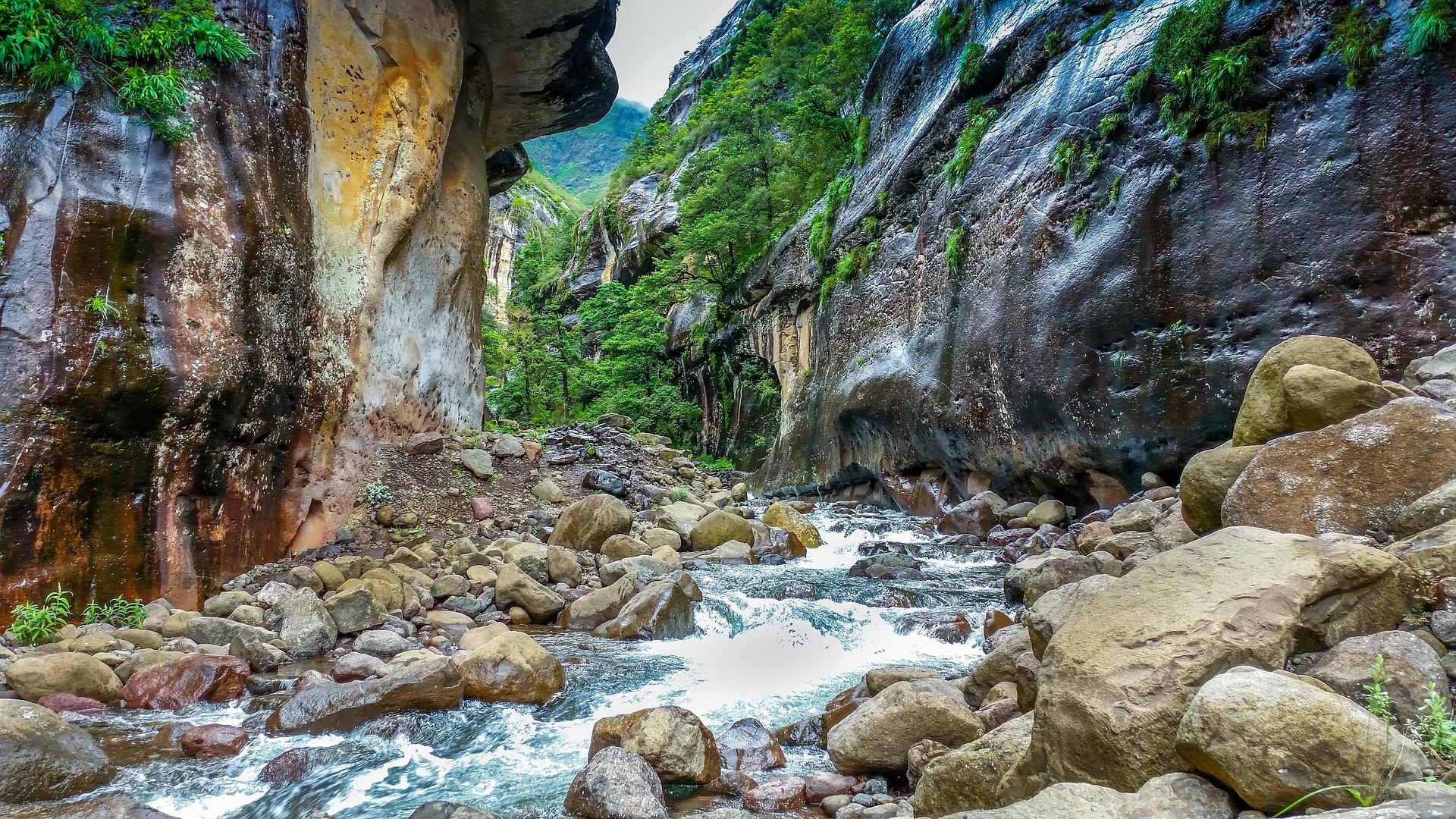
Knowing what to pack for Chania is not the same as knowing what to pack for a generic Greek island holiday. Chania is western Crete, and it has its own character. There are mountain gorges and pebble coves within an hour of each other. The old town has cobblestone streets that will destroy wrong footwear in a day. Mosquitoes are real from June through September. Beaches range from fine pink sand to rocky entries that require more than flip-flops. If you pack for a beach resort and then discover you want to hike Samaria or visit a monastery on the Akrotiri peninsula, you will be unprepared. This guide tells you exactly what you need, and what to leave at home.
Most tourists overpack clothes and underpack practical items. They bring three pairs of sandals and forget mosquito repellent, a light layer for the evenings, and cash for the village beach with no ATM. Do not make those mistakes.
| Best season for Chania | May, June, September, October |
|---|---|
| Peak heat | July and August, up to 38°C |
| Rental car needed? | Yes, for most destinations beyond the old town |
| Cash essential? | Yes. Many beaches, villages, and small tavernas are cash only |
| Dress code considerations | Monasteries require covered shoulders and legs |
| Hiking opportunities | Samaria Gorge, Imbros Gorge, White Mountains |
| Beach types | Sandy (Elafonisi, Falassarna) and rocky (Seitan Limania, Balos) |
What to Pack for Chania: Clothing
Keep it simple. Summers tend to be quite hot, so do not go crazy when packing. Try not to overpack. The heat will make you want to wear the same two or three things on rotation anyway.
Daytime Clothes
Choose cotton or linen clothing that is breathable and dries fast. That is all you need for the logic of it. In practice: lightweight shorts, linen trousers, loose cotton tops. Two or three of each for a week. You will wash things, or you will buy something locally. Chania has good clothing shops in the old town.
Pack two swimsuits, even for a short trip, since it can be really humid in Greece in the summer. Drying out might take a day, and no one likes putting on a wet suit.
Evening Wear
Chania is not a formal place. Dinner at the harbour does not require anything beyond neat casual. While you might find a few fancy restaurants or events, you will not need to pack a lot of formal wear. Stick to comfortable clothing that’s suitable for exploring the island, enjoying the beaches, and dining out. One slightly nicer outfit is enough. The rest can be the same clothes you wore to the beach.
A Light Layer
Do not skip this. Even in the summer months, it can get cool at night on the islands, so you may want a light jacket or cardigan for the evenings. September especially. The wind off the sea at 10pm can catch you off guard.
For Monastery and Church Visits
This is where tourists consistently get it wrong. The one thing you need to be careful of in Greece is how you dress when visiting a monastery or church, and this applies to men and women. Covering your shoulders and wearing something long enough to cover right above the knee, or even below, is recommended. It’s easy just to bring a shawl and you should be fine.
Chania’s Akrotiri peninsula has three monasteries worth visiting: Agia Triada, Gouverneto, and the ancient abandoned Katholikou. Monasteries have a stricter dress code and require that visitors dress demurely and respectfully, which generally means no shorts for men or women. Pack a lightweight shawl or a sarong. It weighs nothing and doubles as a beach cover-up.
Warning: Do not assume the monastery will have loaner wraps available. Gouverneto and Agia Triada on the Akrotiri are active monasteries. Turn up in shorts and a sleeveless top and you will be turned away at the gate. Keep a scarf or sarong in your bag whenever you are driving around western Crete.
Shoes: The Most Important Packing Decision You Will Make
Get this wrong and you will suffer. Chania requires at least three categories of footwear.
Walking Shoes for the Old Town
Comfortable walking shoes with good grip and ankle support are essential for navigating Chania’s cobblestone streets safely. Avoid high heels, flip-flops, or smooth-soled shoes that can slip on the stone surfaces. The cobblestone streets present moderate challenges due to uneven surfaces and varying stone sizes. Most paths are manageable for visitors with reasonable mobility, though some areas feature irregular stone patterns that require careful footing. The stones can become slippery when wet, particularly during morning cleaning or after rain.
A pair of supportive trainers or structured walking sandals. Not fashion sandals with a thin leather sole. You will be walking more than you think.
Water Shoes for Rocky Beaches
This is one of the most common regrets tourists mention. Water shoes are very helpful on stony and pebbly beaches. Water shoes are also often very helpful on sandy beaches, as the sand is so hot from the sun that you can’t walk barefoot on the sand.
Several of the best beaches near Chania have rocky entries or rocky seabeds: Seitan Limania, Balos (the walk down and the lagoon floor), parts of Marathi. Buy water shoes before you come. Bring your water shoes from home, as they are four times the price in Crete. This is accurate. The tourist shops sell them, but the markup is significant.
Local tip: A pair of water shoes is also useful at Balos, not for the lagoon itself but for the walk down from the car park. The path is rough and steep, and people in flip-flops have a difficult time on the loose stones. Wear something with grip going down.
Hiking Boots or Trail Shoes
If you plan to walk Samaria Gorge or Imbros Gorge, proper footwear is non-negotiable. This is only recommended if you are planning on completing some extensive hiking like the Samaria Gorge. Otherwise, comfortable walking shoes should be fine. The gorge is 16 kilometres of uneven terrain. Samaria closes at the end of October. Imbros is open year-round and less demanding, but still not for sandals.
Sun Protection
The Cretan sun is intense from May through October. This is not beach holiday marketing. It is a genuine risk. Long days in the sun can cause dehydration faster than you expect. Adding electrolyte powder to your water keeps your energy up and prevents headaches, fatigue, and dizziness while exploring.
Pack high-factor sunscreen, a wide-brimmed hat, and quality sunglasses. Sunglasses are a must as the sun in Greece is very intense. When buying your sunglasses, prioritise quality over price to give your eyes real protection against both UVA and UVB rays.
Sunscreen is significantly cheaper at home. Pharmacy and supermarket prices in Chania are not low in summer. Buy a large bottle before you fly and decant into a smaller one for day trips.
Mosquitoes: Take This Seriously
The peak mosquito season in Crete is during July and August, when temperatures are highest and mosquito activity rates reach up to 9 out of 10. Because of its higher rainfall, the western regions of Crete have more mosquitoes than the rest of the island, but they peak all over Crete during June through September.
Chania is in the west of the island. Do not be caught without repellent.
A repellent containing DEET is a must for covering exposed skin when out in the evening at the bar, restaurant, or when sitting on the balcony. Every mini-market and supermarket on Crete has a wide selection of insect repellents in stock, from pump sprays to aerosols and roll-on. You can buy it there, but have some with you from day one, particularly for your first night.
Warning: The first night is when most people get their worst bites. You arrive, you open the balcony door to let in the breeze, you sit outside with a drink, and you go to bed having been bitten multiple times without noticing. Bring repellent in your carry-on, not your checked bag. Apply it before your first evening out.
A small plug-in mosquito device is worth packing if you are sensitive to bites. They are also widely available in Crete at supermarkets. Pack the European adapter if you are bringing one from home, since Greece uses the standard European two-pin plug.
Cash and Documents
In Chania, cash is widely accepted. Many small businesses, restaurants, and shops may not take credit or debit cards. Having cash on hand is a good idea for budgeting and for places that do not accept card payments.
This matters especially if you are exploring remote beaches and villages. There are no ATMs at Balos, Seitan Limania, Elafonisi beach itself, or at the end of the Samaria Gorge. Withdraw cash before you set out on day trips.
ATMs are widely available across Crete and offer 24/7 access to cash. However, it is a good idea to avoid relying solely on ATMs, especially during public holidays or strikes when replenishment may be irregular.
Euronet is one ATM to avoid, and it is all over Greece including at the airports. It is an expensive way to withdraw money. Use bank-attached ATMs where possible, such as Alpha Bank or Piraeus Bank in the town centre.
Local tip: When an ATM asks if you want to process the transaction in your home currency or in euros, always choose euros. The exchange rate offered in your home currency is set by the ATM operator and is almost always worse than your bank’s rate. This applies to every ATM in Greece.
Greece has a good system of discounts on museum admissions for students and senior citizens, and you can even get free entry in some places. Be sure to have your valid student ID or senior ID to show at the ticket office.
Water and Hydration
Do not forget to pack a water bottle. Water in Crete tastes quite good, and you can find mineral water in any kiosk too. A reusable bottle with a good capacity is worth packing, particularly for gorge walks and hikes where you should carry at least one and a half litres per person. There are no water sources inside Samaria or Imbros.
The summer sun can really do a number on hydration levels. In order to replace the electrolytes lost to sweat, keep a few packets of electrolyte powders on hand. Optional, but useful on a gorge day or a long beach day with no food nearby.
Tech and Practical Kit
A portable charger is worth packing. Long days at remote beaches or on hiking routes mean you will not have access to a plug socket for hours at a time. Your phone is your map, camera, and emergency contact. Keep it charged.
A European power adapter if you are coming from outside the Eurozone. Greece uses the standard two-pin round plug. Most modern hotels and apartments have USB charging ports, but older properties may not.
Whatever you have booked in advance, such as hotel rooms, tickets, tours, or car rental, always have a printed confirmation. In Crete, people trust papers more than e-confirmations on phones. This is old-fashioned but accurate. Print your car rental voucher and hotel confirmation.
Warning: Mobile signal is unreliable in many remote parts of western Crete: inside Samaria Gorge, on the road to Balos, in the mountains above Sfakia. Download offline maps for the areas you plan to visit. Google Maps works well offline if you download the region in advance.
What NOT to Pack
Heavy clothes. You will not need them from May to October. Even September evenings only require a light layer.
Smart shoes. Leave the leather-soled dress shoes at home. They will not survive the old town cobblestones and you will not want to wear them.
Too much. Try not to overpack. The weather, especially on the islands, is quite hot, and usually the wind blows strongly enough for your clothes to dry fast. Laundry is easy in Chania. Hotels and apartments often have a machine or there are launderettes in the new town.
Expensive jewellery. Not because Chania is unsafe. It is not. But because beach days, gorge walks, and boat trips are not the context for it.
Frequently Asked Questions
Do I need hiking boots for Chania?
Only if you plan to do serious hiking. The Samaria Gorge absolutely requires proper trail shoes or hiking boots. Comfortable trainers will cover you for the old town, most beaches, and light walks. If Samaria is on your list, bring or hire proper footwear. Do not attempt it in sandals.
Is cash really necessary in Chania?
Yes. Cards are accepted at most hotels and many restaurants in the town centre, but once you leave for remote beaches, village tavernas, or small car parks, you will often find cash is the only option. Withdraw some before any day trip beyond the town.
Do I really need water shoes?
For many of the best beaches near Chania, yes. Seitan Limania, parts of Balos, Marathi, and several beaches on the Akrotiri peninsula all have rocky elements. At the big sandy beaches like Elafonisi or Falassarna, you can manage without. If in doubt, bring a pair. They fold flat and weigh almost nothing.
What do I need for visiting the Akrotiri monasteries?
Covered shoulders and covered legs for both men and women. A lightweight shawl or sarong that you carry in your bag will solve this instantly. Some monasteries will turn you away without appropriate dress. Most on Crete are closed on Wednesday and Friday, so plan accordingly.
Should I worry about mosquitoes?
Yes, particularly in July and August. Bring repellent with DEET from home and apply it before evening activities. A plug-in device for your bedroom is useful. The bites are not dangerous in the way they are in some parts of the world, but they itch badly and can disrupt sleep. Take this more seriously than you think you need to.
Can I buy everything I forget in Chania?
Most things, yes. Chania has supermarkets, pharmacies, and outdoor shops. Sunscreen, insect repellent, water shoes (expensive), beach towels, and basic clothing are all available. What you cannot replace easily: prescription medication, hiking boots, specific technical gear, and any product you rely on from a brand not sold in Greece.
The Honest Notes
Warning: Tourists consistently underestimate the Cretan sun in May and June. The air feels cooler than July and August, and you spend longer outdoors without realising how much exposure you are getting. Some of the worst sunburns happen in the shoulder season. Reapply sunscreen more often than you think is necessary.
Warning: The road to Balos beach car park is a long, rough, unpaved track. Many rental car agreements exclude damage on unsurfaced roads. Check your rental contract before you drive it. Some tourists discover this only after getting a puncture. If your contract excludes off-road driving, take the boat from Kissamos instead, which is a good option anyway.
Getting There and Around
Chania International Airport (CHQ) receives direct flights from much of Northern and Western Europe, particularly from May through October. From North America, you will connect via Athens or another European hub.
A rental car is essential for exploring western Crete beyond the old town. There is no Uber or Bolt in Greece. Taxis exist in Chania town but become expensive for day trips. The local bus network (KTEL) covers the main routes but not the remote beaches and villages that make western Crete special.

Practical Information
| Currency | Euro (€) |
|---|---|
| ATMs in Chania town | Yes, widely available. Avoid Euronet machines. |
| Cash needed? | Yes, especially for remote areas |
| Plug type | European two-pin (Type C/F) |
| Mosquito season | June through September, peak July-August |
| Monastery dress code | Covered shoulders and knees, both genders |
| Monastery closed days | Usually Wednesday and Friday |
| Samaria Gorge open | 1 May to end of October |
| Best packing months | May, June: light layers needed. July-August: full summer. Sept-Oct: evening layer essential |
Combine Your Packing Knowledge With
Planning your packing properly connects directly to where you are going. A week based in Chania might include all of these, each requiring something slightly different from your bag:
Samaria Gorge requires hiking shoes, at least 2 litres of water, no sandals, and cash for the entrance fee and the boat from Agia Roumeli back to Sfakia.
Elafonisi and Falassarna are the most forgiving beaches for footwear. Sandy entries, calm water. But the drive takes 60 to 90 minutes each way, so bring food and water. No shops at the beach itself, only seasonal vendors.
Balos is either a rough 4×4 track drive or a boat trip from Kissamos. Take water shoes for the lagoon and carry plenty of water. The site has no shade.
Akrotiri Peninsula monasteries need modest dress and cash for the site at Katholikou. The drive is easy. Worth a half-day.
Local tip: The thing most visitors forget to pack is also the lightest: a small crossbody bag or daypack that you actually want to carry. Your hotel safe is for your passport and spare cash. Everything else comes with you, every day, to beaches where your towel is your only security. A bag that closes properly, fits your water bottle, sunscreen, cash, and phone, and does not feel like a burden after six hours in the heat is worth thinking about before you fly. A good bag makes a Cretan day considerably easier.