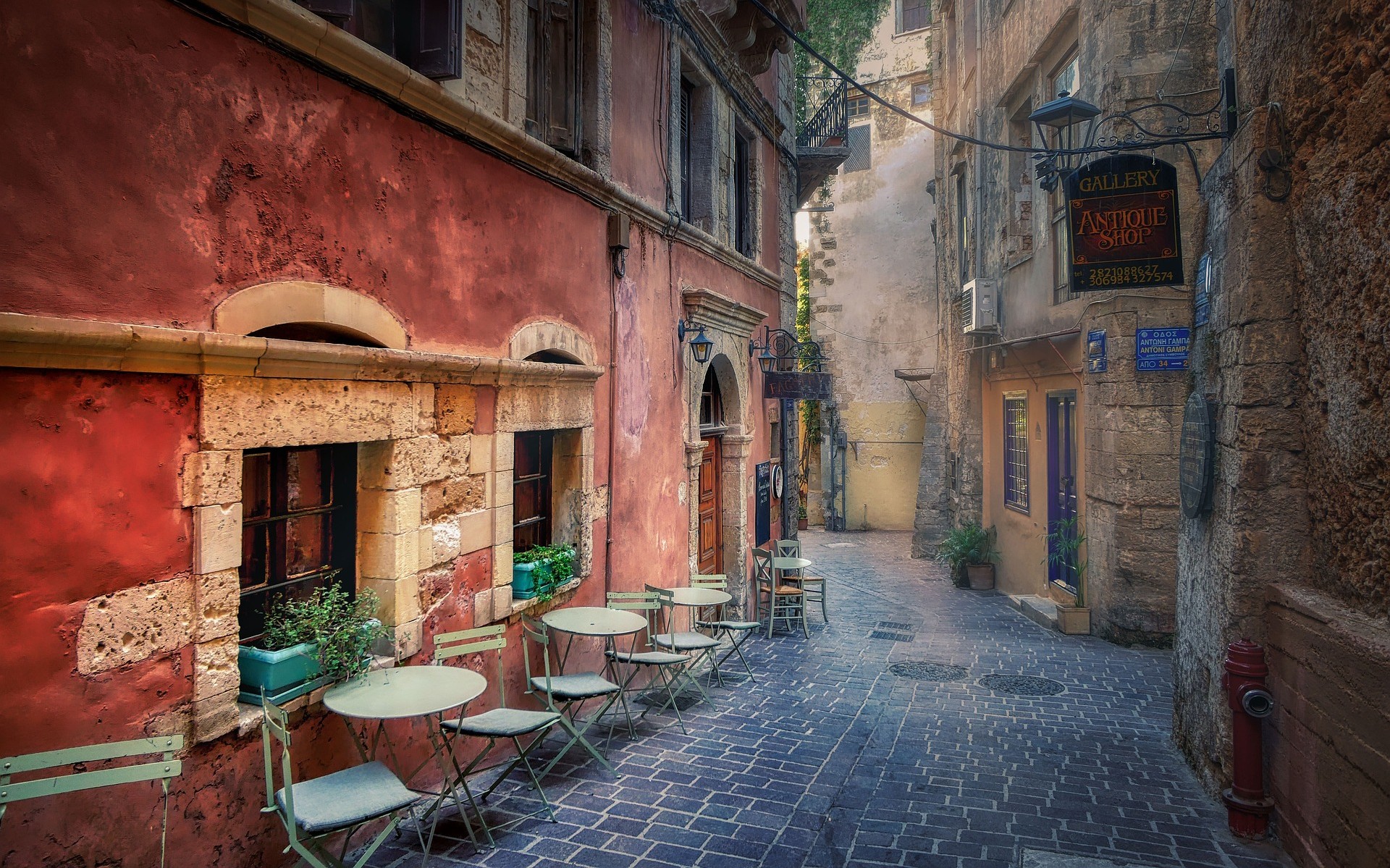
Budget tips for Chania are easier to find in practice than most travel websites suggest. The honest truth is that Chania is not cheap in July and August. Harbour-front coffees, tourist-trap menus, sunbed hire at the better-known beaches, accommodation booked last minute in peak season: all of these will drain money fast. But step back ten metres from the waterfront, eat where the locals eat, time your visit right, and Chania becomes genuinely affordable. The bones of this place are free: the Old Town, the harbour walk, the light in the evenings, most of the best beaches.
Crete is generally more affordable than islands like Santorini or Mykonos. That comparison is real and worth remembering. Crete remains one of the most affordable large islands in the Mediterranean, with a week-long trip costing anywhere from around €600 for budget travellers to €2,500 for those seeking premium comfort. What separates those two numbers is largely a matter of decisions. Most of those decisions are made before you even land.
| Best months for value | May, June, September, October |
|---|---|
| Peak season (avoid for budget) | July and August |
| Public transport available | Yes, KTEL buses |
| Rental car needed? | Recommended for beaches outside town |
| Free things to do | Old Town, harbour walk, most beaches, Botanical Gardens entry area |
| Main cost traps | Harbour-front restaurants, last-minute accommodation, July/August travel dates |
| Family friendly? | Yes |
Budget Tips for Chania: Start with When You Go
This is the single biggest lever you have. Accommodation costs demonstrate 30 to 50 percent seasonal variation between peak summer in July and August and shoulder seasons in May, June, September, and October. That is a real difference. The same apartment that costs a high-season price in August can be significantly cheaper in May or October, and the weather in those months is still excellent. The sea is warm in September and October. May and June are cooler but rarely cold.
Prices tend to rise in July and August, while May to June and September to October bring lower rates and fewer crowds. The crowds matter as much as the prices. In August, Balos and Elafonisi are genuinely packed. In June, you can find a spot on the sand and stay there.
Warning: If you must travel in July or August, book accommodation at least three to four months in advance. The best-value rooms sell out early. Leaving it until June for a July trip will leave you with expensive options or poor locations.
If you are flying from northern Europe, also compare flights to both Chania (CHQ) and Heraklion (HER). Crete has two primary airports, Chania and Heraklion, so be sure to compare airfare prices to both locations. Sometimes flying into Heraklion and taking the bus or driving west to Chania works out substantially cheaper depending on your departure point.
Where to Stay on a Budget in Chania
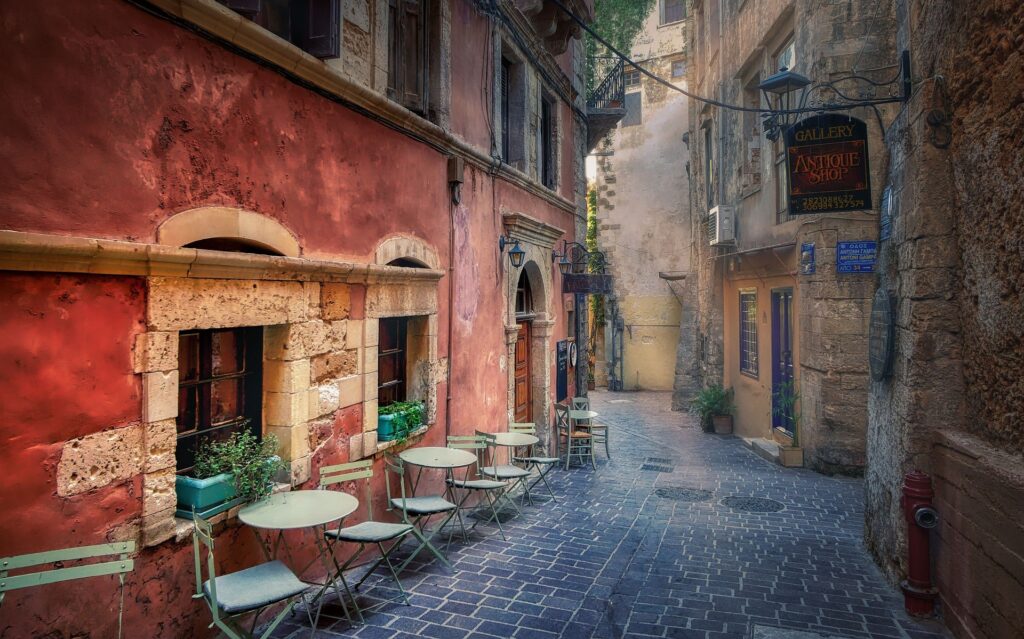
The Old Town is the most requested area and the most expensive. Old Venetian houses converted into boutique guesthouses command prices that reflect their location. There is nothing wrong with staying slightly outside the Old Town. The Nea Chora neighbourhood, immediately to the west of the old harbour, is walkable to everything and generally more affordable. Nea Chora offers a relaxed beach vibe with seaside restaurants, yet it remains close to the Old Town.
Crete’s large size means there is accommodation for every budget. Budget stays, meaning small hotels, hostels, or family-run studios, range from around €30 to €60 per night. Family-run studios and apartments often represent the best value. They typically include a kitchen, which immediately cuts food costs. Being able to make your own breakfast or put together lunch from market produce saves money every single day.
Local tip: If you want the Old Town atmosphere without Old Town prices, look for accommodation in Splantzia. It is five minutes’ walk from the harbour but far enough from the main tourist strip that prices come down noticeably. The neighbourhood also has better tavernas than the waterfront.
Staying in villages a short drive from Chania is another good option. Places like Kalyves, Almyrida, or Vamos, on the Apokoronas coast east of Chania, offer much better value and are still within 25 to 30 minutes of the city. You do need a car for this approach, but if you are renting anyway, it is worth considering.
How to Eat Well Without Spending Much
Food is where Chania can genuinely surprise you in a good way. The rule is simple: distance from the harbour equals lower prices.
At local, family-run tavernas, a full meal for two costs anything between €25 and €40, generally including three to four meze dishes, a large Cretan salad, and a litre of local wine. Complementary bread, olive oil, desserts, and raki are provided more often than not. That is real value. The raki at the end is not a trick to get you to order more. It is just how things work here.
Harbour-front tavernas will obviously be more expensive, as will fish and branded alcohol. This is not unique to Chania. It is true everywhere. The view has a price. Have one coffee or one drink on the harbour if you want the experience, then eat elsewhere.
The simplest money-saving rule in Chania: avoid any restaurant where someone is standing outside trying to attract you in. Walk past. Keep walking.
Avoid menus with pictures, as they are usually tourist traps. A menu printed in six languages with photographs of every dish is not where locals eat. Find the hand-written chalkboard menu. Find the place where you cannot quite get a table at 1pm on a Sunday. That is the one.
For breakfast and lunch on a tight budget, pastries for breakfast and gyros for lunch or a snack are just a few euros. Iordanis Bougatsa on Apokoronon Street is the most famous bougatsa shop in Chania. It is one thing, done well, and costs almost nothing. Bakeries in the side streets around the Municipal Market sell cheese pies and spanakopita for next to nothing. These are not tourist prices. This is just breakfast.
The Municipal Market itself, the covered cross-shaped building near the harbour, is worth an hour of your time. The Agora Market sells lots of local foods, and the taverns there are some of the best in Chania. This is where the locals eat. You will find olive oil, honey, local cheeses, and dried herbs at prices far below what you would pay in a tourist shop.
Local tip: Order the house wine (chyma krasi) in tavernas. It comes in a small metal jug and costs a fraction of a bottled wine. In most local tavernas, it is genuinely good. Cretan wine is underrated. Do not default to beer because it is familiar.
Getting Around Without Breaking the Budget
There is no Uber or Bolt in Chania. Taxis exist but are metered and add up if used frequently. The cheapest option is KTEL, the regional bus network.
The best and most affordable way to travel around Crete without a car is by using the island’s public bus system, KTEL. The buses are modern, comfortable, air-conditioned coaches that run reliably and on time. The network is extensive, connecting all major towns, villages, and popular beaches.
Key KTEL fares from Chania include: Chania to the airport at around €2.70, Chania to Kissamos at around €5.60, and Chania to Rethymno at around €7.80. These are very reasonable. The bus from Chania town to Chania Airport costs around €2.50 and takes about 30 minutes.
The limitation of KTEL is real: it does not reach everywhere, and buses to some villages run once or twice a day. For beaches like Elafonisi, Falassarna, and Balos, you either need a rental car, a tour, or the seasonal KTEL services that operate in summer. If you are planning to see western Crete, a rental car for even two or three days makes more sense than a taxi each way.
Organised bus tours and day trips cost between around €35 and €75 per person including transportation, guide services, and entrance fees, representing good value for travellers without cars seeking access to specific attractions like the Samaria Gorge or Balos Lagoon.
Warning: ATM fees can quietly drain your budget. Avoid the EuroMart ATMs found in tourist areas — they are well-known for high conversion fees and unfavourable rates. Use bank ATMs (Alpha Bank, Piraeus Bank, National Bank) and always pay in euros when asked whether you want to pay in your home currency.
Free and Low-Cost Things to Do
A lot of what makes Chania worth visiting costs nothing at all.
Walking the Old Town is free. Walking out to the lighthouse along the harbour wall is free. The municipal gardens near Eleftheriou Venizelou Square are free. Most of the best beaches within reach of Chania are free. Nea Chora beach, a 20-minute walk from the Old Town, costs nothing to visit and has a decent enough stretch of sand. The Akrotiri Peninsula beaches, including Kalathas and Marathi, are free.
The churches and mosques of the Old Town are free to enter, or cost very little. The Etz Hayyim Synagogue, one of the oldest in Greece, accepts a small donation. The Venetian walls can be walked along without charge. The Firkas Fortress courtyard is open.
Attraction costs in Crete range from free beaches to paid archaeological site admissions following Greece’s revised pricing structure implemented in April 2025, which increased major site fees significantly. Knossos Palace, for example, rose from €15 to €20. That is worth knowing before you build your itinerary. If you are on a tight budget, prioritise the Archaeological Museum of Chania over a long drive to Knossos.
The Samaria Gorge entrance fee is currently a small fee per person (check current pricing at the official Samaria Gorge website before visiting). Most Chania beaches are completely free to access — you only pay if you hire a sunbed.
Hiking is free. The Akrotiri Peninsula has trails around Gouverneto Monastery and down to the sea caves at Katholiko. The views from Therisso, a short drive south of Chania, cost nothing except petrol. In May and October, hiking is genuinely one of the best activities in the region and puts almost nothing on the budget.
The Honest Notes
Warning: Prices in Chania have risen noticeably in recent years. Visitors returning after a gap of two or three years consistently report higher food and drink prices. This is not unique to Chania — it is a pan-European issue, and Crete is no exception. Budget accordingly and do not assume prices match what you read in a guide written in 2022.
Prices for food and drinks have risen in all tavernas in recent years. A beer now costs around €3.50 or more. The days of getting a salad for €3.50 to €4.50 are over. This is real. The people who complain about this in forums are not wrong. Budget-conscious travellers need to factor in genuine 2025/2026 prices, not the figures from older travel blogs.
Much of the best food in Crete is in the village local tavernas, where the family will likely have grown much of the produce as well as cooked it to their old family recipes. This is completely true and remains one of the best budget strategies available. Drive twenty minutes into the hills. Find the village square. Eat there. You will spend less, eat better, and feel less like a tourist.
Warning: The harbour front in Chania is heavily tourist-oriented. Some restaurants there are genuinely good. Many are not. The problem is that you pay premium prices regardless of quality just for the location. If you are watching your budget, have one drink on the harbour at sunset — that is worth it — and eat somewhere else.
Frequently Asked Questions
Is Chania expensive compared to other Greek islands?
Crete is generally cheaper than more popular islands like Santorini or Mykonos. Within Crete, western Crete including Chania typically commands 10 to 20 percent higher prices than eastern Crete for comparable accommodation and dining. Chania is the most visited and most expensive part of western Crete, but it remains significantly more affordable than the Cyclades.
What is a realistic daily budget for Chania?
Budget travellers staying in hostels or family studios, eating at local tavernas, and using public buses average around €40 to €60 daily. If you are renting a car or eating at mid-range restaurants, plan for more. Travellers who eat local, stay outside luxury zones, and explore on foot or by bus can experience Crete for €80 to €120 a day, including meals, transport, and lodging.
Can I get from the airport to Chania town cheaply?
Yes. The KTEL bus from Chania Airport to the town centre costs around €2.50 and takes about 30 minutes. Bus service is provided between the airport and the city of Chania, with the bus stop located across from the Departures area on the east side of the terminal. Tickets can be purchased from the bus driver.
What are the main tourist traps to avoid?
Harbour-front restaurants with people outside flagging you down, menus printed in multiple languages with photographs, any restaurant charging significantly above the normal rate for a Greek salad. Also avoid EuroMart ATMs for cash withdrawals.
Are the beaches around Chania free?
Most of them, yes. Nea Chora, Kalathas, Marathi, Tersanas, and many others on the Akrotiri Peninsula are free to use. You pay only if you hire a sunbed and umbrella. Some organised beach clubs on popular beaches do charge for access or require a minimum spend.
Is a rental car worth it on a budget trip?
It depends on your plans. If you are spending your whole trip in Chania town and walking to Nea Chora beach, you do not need a car. If you want to see Elafonisi, Falassarna, Balos, or the gorge country to the south, a rental car is the most cost-effective option over two or more days. Organised bus tours and day trips can cost €35 to €75 per person and are a reasonable alternative if you are only doing one or two major excursions.
Getting Around and Getting There
By bus. KTEL is the regional bus network for western Crete. KTEL buses are the cheapest transport option in Chania, with numerous urban and suburban buses running every day. The main KTEL station is on Kydonias Street in the centre of Chania. You can book tickets online at e-ktel.com or buy them at the station or from the driver on shorter routes.
By rental car. For anything beyond Chania town, a car gives you freedom that no bus timetable can match. Book early. Prices rise sharply in July and August. Compare across multiple companies.

By taxi. Taxis are metered and reliable but add up over a week. Fine for an airport run or a night out, not a daily transport strategy.
By organised tour. For one-off visits to Samaria, Balos, or Elafonisi, an organised day trip from Chania can actually work out cheaper than the fuel and parking costs of driving yourself, especially if you are travelling solo or as a couple.
Book a guided tour from Chania
Practical Information
| KTEL bus station | Kydonias Street, Chania centre |
|---|---|
| Airport bus | Stops at the eastern end of the terminal building |
| Airport bus frequency | Roughly hourly in season |
| KTEL website | e-ktel.com (has English version) |
| Supermarkets | Lidl, Sklavenitis, AB Vassilopoulos all in Chania |
| Market for fresh produce | Chania Municipal Market (closed Sundays) |
| ATMs | Use Alpha Bank, Piraeus Bank, National Bank. Avoid EuroMart. |
| Payment | Cards widely accepted in tourist areas. Carry some cash for villages and market stalls. |
Combine With
Nea Chora and Koum Kapi. Walkable from the Old Town. Local tavernas with lower prices than the harbour strip. Good beaches. This is where people who know Chania actually swim.
Apokoronas villages. Kalyves, Almyrida, Vamos. 25 minutes east of Chania. Local tavernas, fewer tourists, lower accommodation prices, good beaches nearby. A serious option as a base.
Akrotiri Peninsula. Free beaches at Kalathas and Marathi. The monastery at Gouverneto. The sea caves at Katholiko. All within 20 to 30 minutes of Chania. Almost no entry costs.
Georgioupolis and Lake Kournas. 38 to 43 kilometres east of Chania. A long sandy beach, a freshwater lake, genuinely local tavernas. Cheap by comparison with the tourist zone of central Chania.
Local tip: The best free experience in Chania costs nothing and happens every evening. Walk out along the harbour wall toward the lighthouse at around 8pm in summer. The light is horizontal and golden, the town is behind you, the water is flat, and the fortress glows. It takes about fifteen minutes and you will not forget it. Do not take a taxi there. Walk.