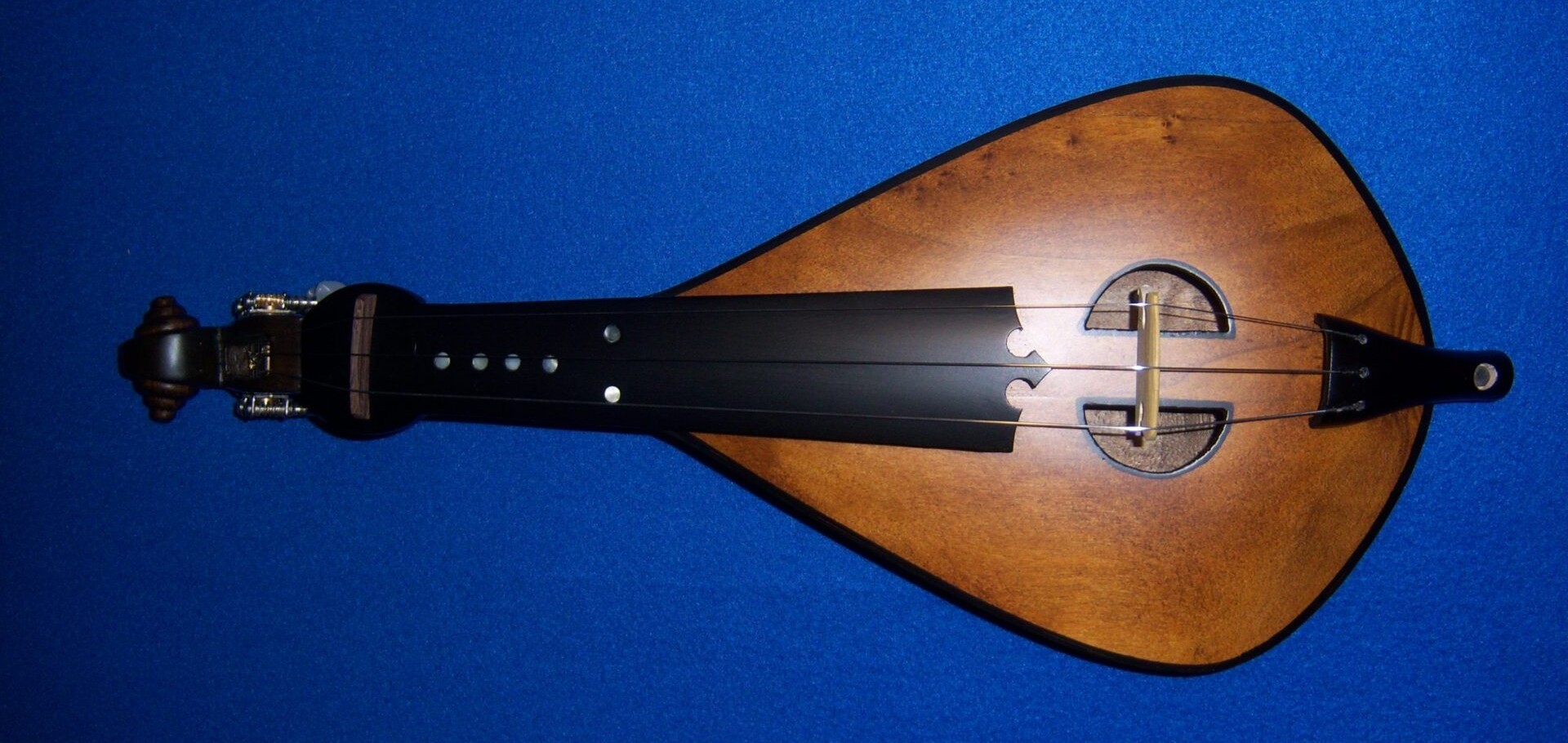
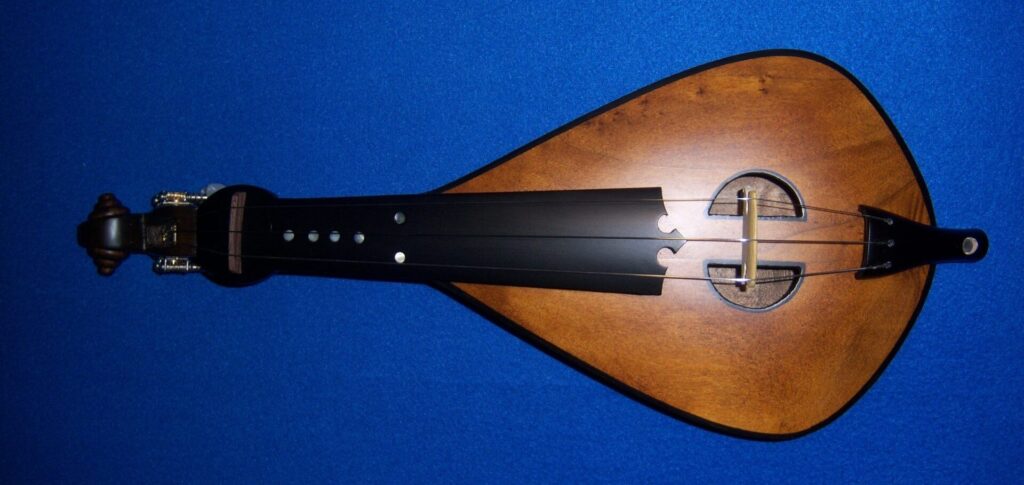
The Cretan Lyra is the soul of traditional Cretan music, and if you spend more than a few days in Chania, you will hear it. It comes out of taverna back rooms, village squares, and wedding celebrations. It sounds like nothing else. Three strings, a small pear-shaped body, and a bow. Simple in construction. Extraordinarily difficult to master.
Most tourists who encounter it for the first time are caught off guard. They expect bouzouki. They get something older, rawer, and more directly emotional. The lyra predates the bouzouki in Crete by centuries. It has been here, in some form, since at least the Byzantine period. This is not a museum instrument. People play it at funerals and festivals alike. It is still very much alive.
This guide explains what the Cretan lyra is, where to hear it in Chania, how to learn more about it, and how to take a piece of it home with you.
| Best time to experience | Year-round, peak season May to October |
|---|---|
| Where to hear it in Chania | Old Town tavernas, cultural events, festivals |
| Difficulty to learn | Very high |
| Family friendly? | Yes |
| Cost to hear live | Free at festivals, small cover at some venues |
| Instruments to buy | Available from specialist makers in Chania |
What the Cretan Lyra Actually Is
The lyra is a small bowed instrument, held upright on the knee while playing. The body is carved from a single block of wood, usually mulberry, maple, or walnut. The shape is like a narrow pear. Three strings, tuned in fifths. The bow is curved, sometimes strung with horsehair, sometimes with synthetic material.
What makes it different from a violin or a fiddle is the playing technique. The strings are stopped from the side with the fingernails, not from above with the fingertips. The instrument rests vertically on the thigh. The player rotates the instrument into the bow rather than moving the bow to the string. Watch a skilled player and it looks almost effortless. Try it yourself and you will understand immediately why it takes years to produce anything that sounds good.
The word “lyra” comes directly from ancient Greek. The Cretan version is a descendant of the Byzantine lyra, an instrument documented as far back as the 9th century.
The lyra is almost always accompanied by the laouto, a long-necked lute that provides rhythm and harmonic support. You rarely hear one without the other at a traditional Cretan music session. The laouto player follows the lyra, reads the performer’s cues, and fills out the sound. A good laouto player is as important as the lyra player, but the lyra always leads.
The Sound
It is difficult to describe the sound of a lyra in words. The tone is warmer than a violin and more nasal. There is a particular quality to the ornamentation, small rapid slides and turns around notes, that gives Cretan music its immediately recognisable feel. The scales used in traditional pieces pull from Byzantine modal traditions and occasionally from influences further east. Some pieces sound joyful. Others have a weight to them that is harder to name.
Local tip: If you hear a live session where the audience starts calling out “Opa!” and clapping along, or where older men start dancing mandinada (improvised couplets sung back and forth), you have found the real thing. That is not a performance. That is how music actually works here.
The Role of the Cretan Lyra in Local Culture
Music in Crete is not background. It is not entertainment in the way a concert is entertainment. The lyra sits at the centre of social occasions that matter. Weddings. Baptisms. The panigiri, which is the feast day celebration of a village’s patron saint. These are the events where you hear the lyra played at full intensity, sometimes for hours.
The tradition of the mantinada, a couplet of 15-syllable rhyming verse improvised in the moment, is inseparable from lyra music. A skilled player will set a theme with their music and a singer, or often an audience member, will improvise a response in verse. It can go back and forth between two people for a long time. It requires quick wit and a solid knowledge of the old poetic forms. Young Cretans still do this. It is not a dying art.
Warning: Not every venue advertising “traditional Cretan music” is the genuine article. Some tourist-oriented restaurants stage performances that look the part but are sanitised, shortened, and designed for photo opportunities. The real thing is louder, longer, and does not end at 10pm.
The most famous Cretan lyra player of the 20th century was Nikos Xylouris, from the village of Anogeia in central Crete. His recordings in the 1960s and 70s brought the instrument to a national audience in Greece and abroad. If you want to understand what the lyra is capable of, start with Xylouris. Ross Daly, an Irish musician who settled in Crete decades ago and founded a music school in Houdetsi near Heraklion, is another name worth knowing. He expanded the lyra’s vocabulary while respecting its foundations.
Where to Hear the Cretan Lyra in Chania
Chania’s Old Town is the best place to start. A handful of tavernas in and around the Splantzia neighbourhood and along the backstreets south of the Venetian harbour host live traditional music in the evenings, particularly from May through October. The key is to look for places where locals are actually sitting down and eating, not just tourists passing through.
Local tip: Ask at your accommodation for recommendations. A locally-run guesthouse owner will know which place has live music this week and whether it is the kind of session worth going to. This information changes, and no website keeps it current.
The Cultural Centre of Chania, and the Municipal Market area, occasionally host free evening concerts during summer. The regional government organises cultural events through July and August, some of which include traditional music. Keep an eye on local noticeboards or ask at the tourist office on the harbour.
Village festivals are the best option if your timing is right. Every village in the Chania region has a patron saint’s feast day, and many of them involve public music and dancing in the village square, free for anyone who walks in. These happen throughout summer and into autumn. A local contact or a quick internet search for “panigiri Chania” with the month you are visiting will pull up options.
Warning: Village panigiria tend to start late and finish very late. Arriving before 9pm is considered early. If you are travelling with young children who need to be in bed by 9, this format may not be practical. That said, nobody will make you feel unwelcome for leaving before midnight.
Learning About the Lyra and Taking a Workshop
There are musicians in Chania who give workshops and short introductory lessons to visitors. These are not sessions designed to turn you into a player. They are cultural experiences: you handle the instrument, you understand how it works, and you leave with a proper appreciation of why it takes years to do well.
If you want something more structured, the Fivos Anogianakis Centre for Ethnomusicology in Athens and the Labyrinth Musical Workshop in Houdetsi (near Heraklion) both run more extended courses. These require more time and commitment than a day trip from Chania allows, but they are serious institutions run by serious musicians.
Buying a Cretan Lyra in Chania
Chania has instrument makers and music shops where you can buy a lyra. Quality varies. A mass-produced tourist lyra sold as a decorative item is not the same instrument as a hand-crafted playing instrument made by a skilled luthier.
If you want something you could actually play, or that represents the genuine craft, ask specifically for an instrument made by a local maker. Expect to pay more. The difference in craftsmanship is visible once you know what to look for: the carving of the body, the quality of the tuning pegs, the finish of the neck.
Warning: Carrying a lyra on a plane requires care. The instrument is fragile and should not go in the hold. If you buy one, plan to carry it on board as hand luggage. Check airline dimensions before you purchase, since a full-size lyra may be borderline for overhead locker rules on some carriers.
Recordings are an easier thing to take home. Physical CDs by Nikos Xylouris, Thanasis Skordalos, or more recent players like Stelios Petrakis are available in music shops in the old town. A good recording lasts longer than a decorative instrument hung on a wall.
Frequently Asked Questions
What is the difference between a Cretan Lyra and a violin?
The lyra predates the violin by centuries and uses a fundamentally different playing technique. It is held vertically on the knee, the strings are stopped with the fingernails from the side rather than the fingertips from above, and the instrument is rotated into the bow rather than the bow moving to the string. The tuning, scale traditions, and ornamentation style are also entirely different.
Can a complete beginner try playing the Cretan Lyra?
You can handle it and produce some sounds within an hour, but playing it musically takes years. An introductory session with a patient musician will give you a real sense of the instrument and its technique. Do not expect to play a tune. Do expect to understand immediately why skill on the lyra commands respect.
Is the Cretan Lyra related to other Greek instruments?
It is a distinct tradition, though it belongs to the broader family of bowed lutes found across the eastern Mediterranean and Balkans. The Politiki lyra from Constantinople and the Pontic lyra from the Black Sea region are related but different instruments with their own traditions.
Where are the best places to hear live Cretan Lyra music in Chania?
The Splantzia neighbourhood and the backstreets of the Old Town have the highest concentration of tavernas that host traditional music. Village festivals are the most authentic setting. The key is to ask locals for current recommendations rather than relying on lists that go out of date quickly.
Is Cretan music only popular with older generations?
No, and this is one of the more interesting things about Crete. Younger Cretans play the lyra and compose new music in traditional forms. The mantinada tradition has absorbed social media in unexpected ways. There are young players with significant followings who are pushing the music forward without abandoning what makes it Cretan.
Do I need to speak Greek to enjoy a live music session?
Not at all. The music communicates directly. The mantinada couplets will be in Greek, so you will miss the wordplay, but the emotional quality of the performance needs no translation.
The Honest Notes
The Cretan lyra is genuinely significant. It is not a tourist curiosity. It is an instrument with a long continuous tradition that is still practised and developed by living musicians. Crete takes music seriously in a way that is not universal across Greece.
Warning: If you search for “traditional Cretan music experience” online and book the first result, you may end up at a dinner show designed for tour groups. These are professionally staged and harmless, but they are not representative of how this music actually functions. The real thing is less polished, more personal, and considerably more interesting.
If your timing in Chania does not coincide with a village festival or a good live evening at a local taverna, do not leave without at least buying a recording. The music travels well.
Getting There
The Cretan lyra is not a destination in itself. You encounter it in Chania’s Old Town on foot, in villages accessible by car, and at festivals that come to you rather than the other way around.
For village festivals across the Chania region, a rental car is the practical option. Most panigiria happen in villages that are not on bus routes, or if they are, the last bus back to Chania will leave before the music has properly started.

Bus services from Chania KTEL station cover the main towns in the region, but not the smaller villages where the most authentic music sessions tend to happen. Taxis are available in Chania town, but there is no Uber or Bolt operating in Crete.
Practical Information
| Best months | May to October for outdoor festivals, year-round for taverna sessions |
|---|---|
| Old Town music venues | Splantzia and surrounding backstreets |
| Village festivals | Search “panigiri Chania” plus current month |
| Instrument makers | Ask locally for current recommended workshops |
| Recordings available | Music shops in Chania Old Town |
| Language | Performances in Greek but no translation needed |
| Starting time | Live sessions rarely start before 9pm |
Local tip: If you happen to be in a village taverna one evening and the lyra player starts a slow instrumental piece without prompting, with no particular occasion attached to it, just playing because the night called for it, stay where you are. Order another glass of raki. That is the version of Crete that does not appear in any brochure, and it does not last long enough.