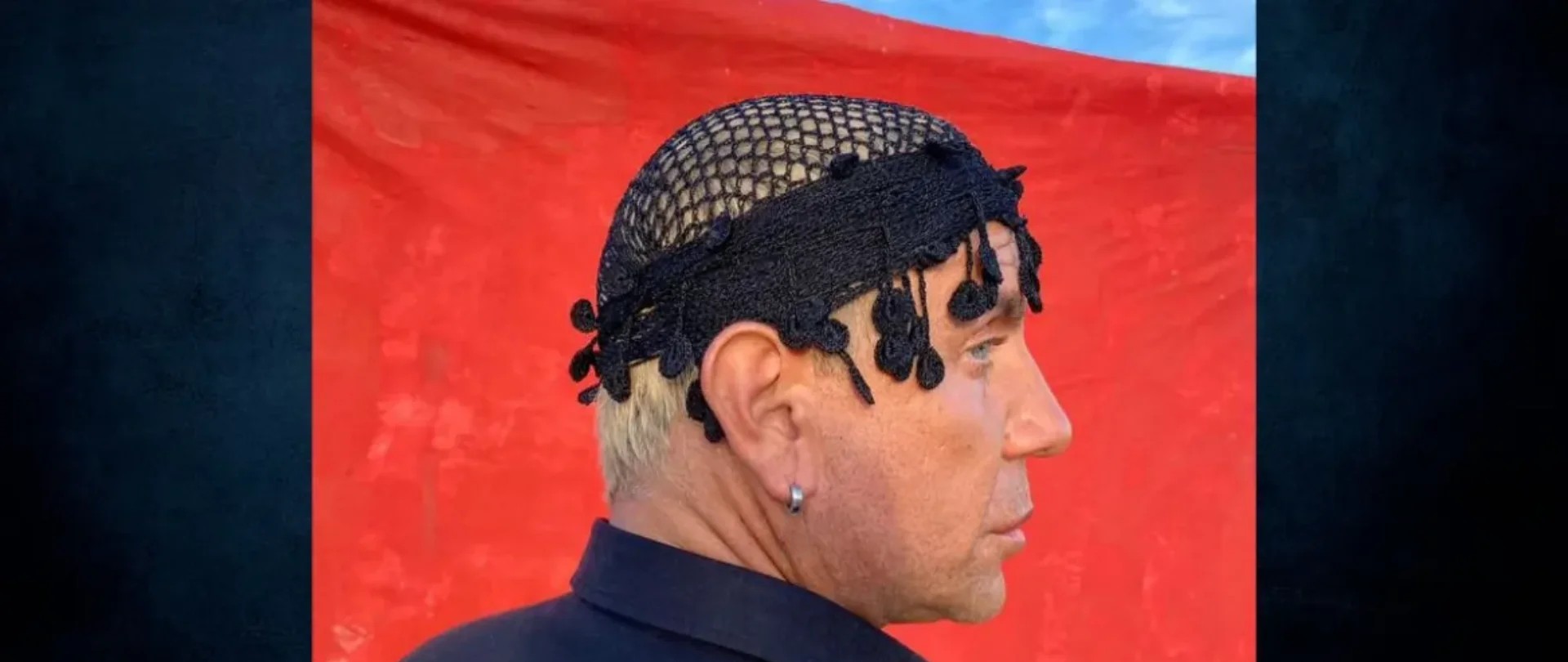
The sariki, the black fringed Cretan headscarf, is one of the strongest symbols of Cretan identity, and in Chania you do not have to look far to see it: on older men in a village kafeneio, on young men at a summer panigiri or a wedding, on the lyra players and dancers at any serious music night. It is not a costume. It is a statement.
It is also something you can buy and take home, which makes it one of the most meaningful souvenirs in Crete, if you know how to tell the real thing from the cheap version.
| Where to see it | Village festivals, weddings, music nights, Easter |
|---|---|
| Where to buy it | Traditional clothing and craft shops in the Old Town, away from the harbour front |
| What to look for | Heavy cloth, deep black, a dense fringe |
| Best time | Summer for festivals, May, June, September and October for calm shopping |
What the Sariki Is
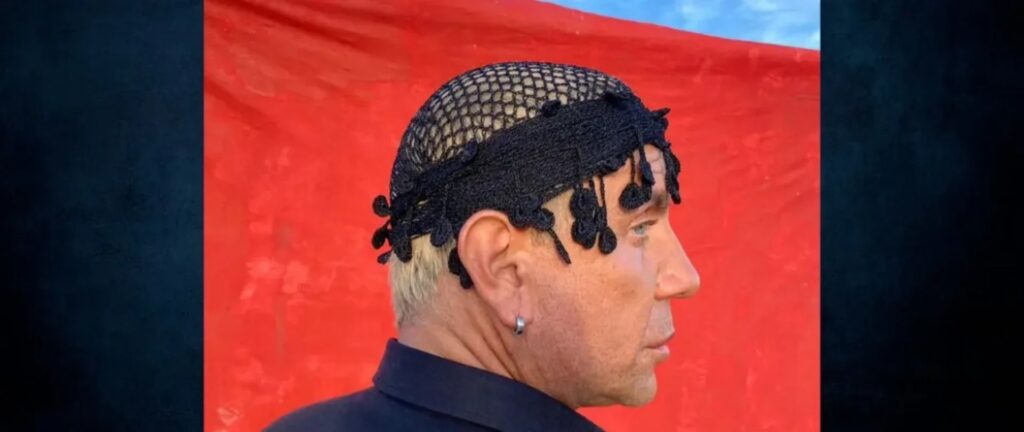
The sariki is a long piece of black cloth, often two to three metres, wound around the head and tied so the fringe falls over the forehead. The wrapping technique takes practice, and there are small regional differences in how tight it sits and how the fringe is arranged. A working man’s sariki and a ceremonial one are not the same thing.
The black is not chance. In local tradition, black in Cretan men’s dress is linked to mourning and resistance: not grief for one person, but a posture toward a long history of occupation and loss. Many Cretans will tell you the fringe stands for tears.
The History Behind It
Crete was ruled in turn by Byzantines, Arabs, Venetians and Ottomans before union with Greece in 1913. Through all of it, Cretan identity held together, and traditional dress was part of that: the sariki, the baggy vraka trousers, the high leather boots (stivania), the waistcoat, and often a knife at the belt.
During the long Ottoman period, the armed mountain men of the interior became local legends, and their dress became the image of Cretan resistance. That is why the sariki is still treated with seriousness. The young men wearing it at a mountain festival are not doing it for tourists.
Where to See It Worn
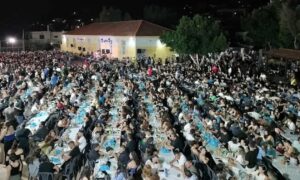
The most natural place is a summer festival. Through July and August, village squares across the Chania region host panigiria with live lyra music and dancing, and the musicians and many dancers wear the sariki. Easter is another good time, when traditional dress appears for Holy Week and the celebrations that follow. See our festivals calendar.
Day-to-day, it is becoming rarer. Sixty years ago older village men wore it every day. Today you will still see it on an elderly man in a mountain village on an ordinary morning, but in Chania town it is mostly kept for celebrations.
Warning: The older men who wear the sariki every day are not a tourist attraction. If you want a photo, ask first, as you would with anyone. Most will be happy to say yes. The courtesy matters.
Buying a Sariki
A cheap tourist sariki is easy to spot: thin cloth, a uniform machine fringe, a black that fades quickly, and often not made in Crete at all. A proper one is heavier, the black is deeper, the weave has substance and it holds its shape when wrapped. Neither is a wrong purchase, but know which one you are paying for.
The souvenir shops on the harbour front mostly sell decorative versions. For something you could actually wear, walk into the lanes of the Old Town, toward Splantzia and around the leather street (Skridlof), where shops selling traditional Cretan clothing and crafts cater to locals as well as visitors. Ask for a traditionally made one, and ask the seller to show you how to tie it. Most are happy to demonstrate.
Note: Some older guides send you to Chania’s covered market, the Agora, to buy a sariki. The Agora is still closed for restoration.
It is also practical. Wrapped properly, a sariki is excellent sun protection, and some hikers in Crete use one on exposed trails.
Where to Stay in Chania
Most of the places mentioned here are within reach of Chania town, which is the easiest base for exploring both the town and the villages around it.
Getting to the Festivals
The Old Town shops are all walkable. But to see the sariki in its real setting, at a village panigiri in Sfakia, the White Mountain foothills or Apokoronas, you need a car: these events start late and buses do not run when they finish.

Frequently Asked Questions
Can I wear a sariki as a tourist?
Yes. No one will be offended if you wear it respectfully, and Cretans are usually pleased when visitors take a real interest in their culture. Wearing it as a joke prop for bar selfies is another matter.
Is the tradition dying out?
Daily wear has declined, but the sariki is still worn by Cretans of all ages at weddings, baptisms, festivals and cultural events, and local cultural associations actively teach and keep the tradition alive.
How do you tie it?
With a particular fold, a tight wrap and a knot at the front that leaves the fringe falling forward. It takes practice. Ask the seller to show you rather than relying on online videos.
Combine With
The Folklore Museum of Chania shows the full traditional costume in context, the perfect complement to buying a sariki. The Etz Hayyim Synagogue in the old Jewish quarter is small, quiet and moving, a reminder of how many communities shaped Chania. And in Gavalochori, in Apokoronas, a village folklore museum and the local kopaneli lace keep textile traditions alive.
Local tip: If you come across live lyra music in a square on a summer evening, stop, even for ten minutes. The music, the warm stone, and older men in full traditional dress do not translate into a photograph. You have to be there.