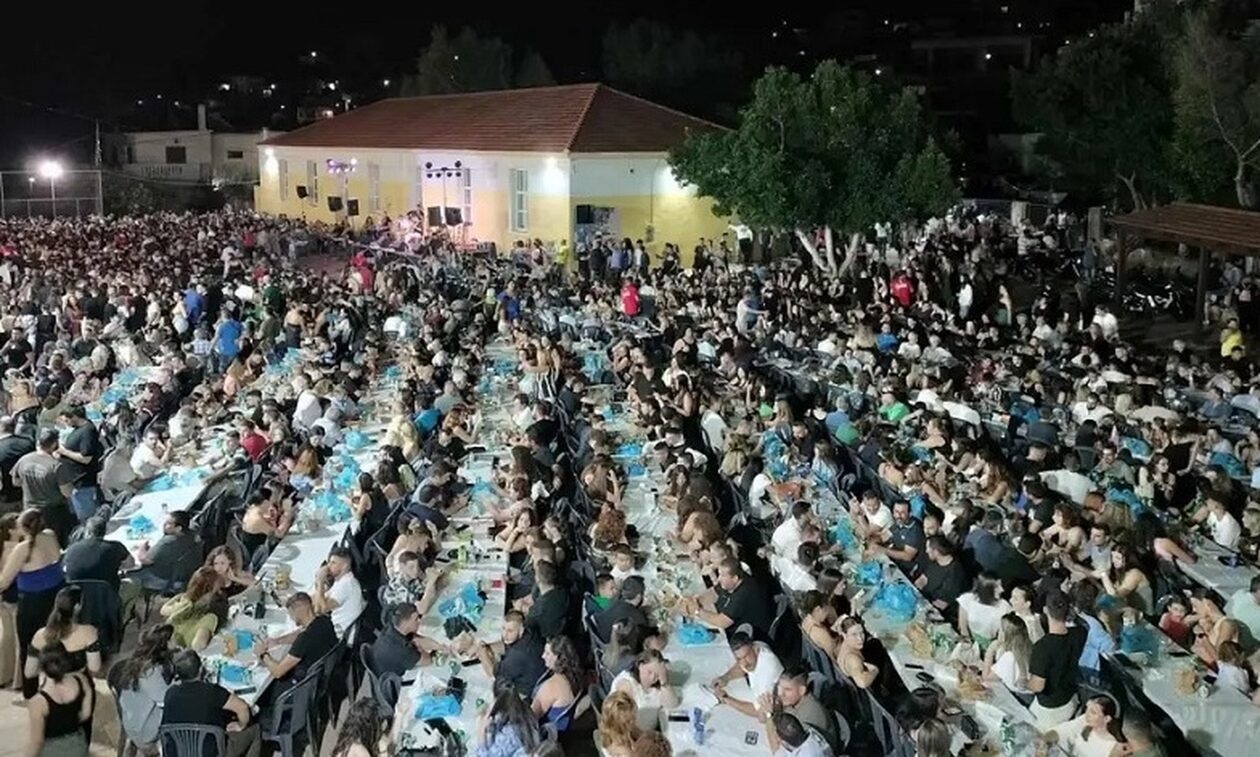
The best night of your trip might not be at a restaurant. It might be at a panigiri, a village feast day: tables in the church square, grilled meat and wine, a lyra and laouto playing until dawn, and a line of dancers that will pull you in sooner or later. Here is what happens in Chania through the year, and how to find the events that are not on any website.
| Peak season | Village feasts July–August, especially around 15 August |
|---|---|
| Biggest celebration | Orthodox Easter (date changes each year) |
| Autumn | Elos Chestnut Festival (late October), raki distilling (Oct–Nov) |
| Cost | Panigiria usually cheap or pay what you eat; city events often free |
| How to find them | Ask your host or a kafeneio owner, and look for posters on lamp posts |
What a Panigiri Is Like
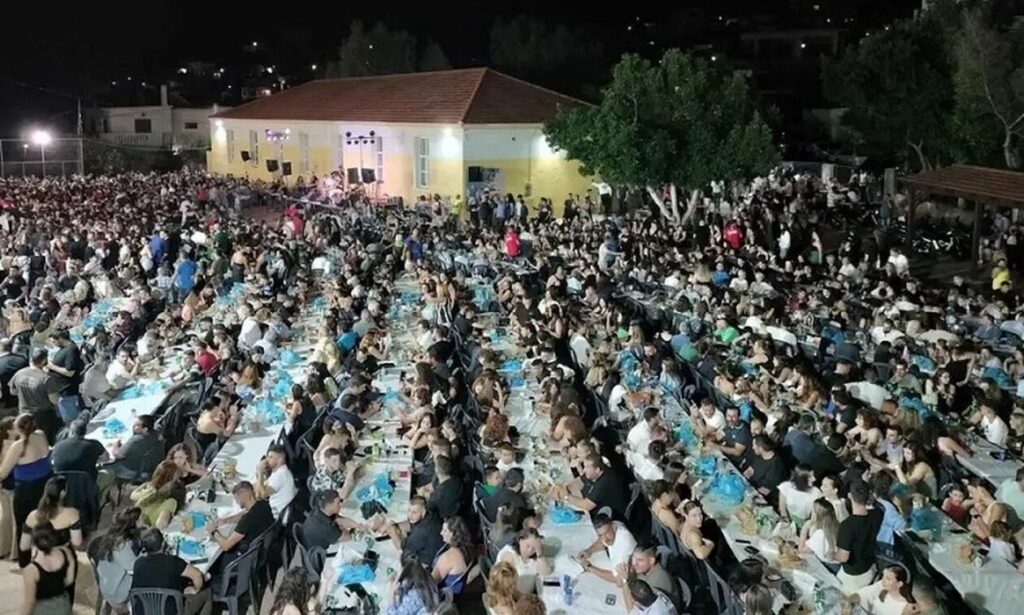
Each village celebrates its patron saint on its feast day. It starts with an evening service, then the tables come out. Food and wine are inexpensive, and you pay for what you order or a set plate. The music is live Cretan lyra and laouto, often with mantinades (improvised rhyming couplets). Nobody planned it for tourists, and that is exactly why it is worth going. You will be welcomed; just sit where there is space.
Local tip: When the dancing starts, join the line and follow the person in front of you. The steps of the simpler dances (syrtos, pentozali at a slow pace) come quickly. Things get going after 23:00, so do not leave at the first plate.
Month by Month
February – March
Carnival in the weeks before Lent, with parades and costume parties (Rethymno has the island’s largest parade, an hour away). Clean Monday: families go out to the countryside to fly kites and eat Lenten food. 25 March: Independence Day parade in town.
April – May
Orthodox Easter is the biggest event of the year. On Good Friday evening, the flower-decorated Epitaphios processions move through every neighbourhood. At midnight on Saturday, the resurrection is announced, candles are lit from the holy flame and the fireworks start; on Sunday, lamb roasts on spits everywhere. Book accommodation early, and expect shops and some restaurants to close on Easter days. In late May, Chania commemorates the Battle of Crete (1941) with events and ceremonies, an important week for the city.
June – August
Summer culture in town: concerts and performances at Firkas, the Venetian harbour and the East Moat theatre, plus annual events such as Dance Days Chania and the Chania Rock Festival in July. Programmes change every year. In villages, the panigiria start, peaking around 15 August (Dormition of the Virgin), the biggest summer feast, with celebrations in dozens of villages. In late July or early August, the village of Vouves near Kolymbari holds a well-known wine festival, with free local wine and music.
Warning: Drink driving after a panigiri is the biggest risk of the night. Village roads are dark and winding, police checks are common on festival nights and the limit is low. Choose a driver who will not drink, or arrange a taxi there and back, because finding one at 02:00 in a village is unlikely. There is no Uber or Bolt.
September – November
Grape harvest and smaller village celebrations. In September, the Chaniartoon animation festival. In late October, the Chestnut Festival in Elos (usually a weekend in the second half of the month; ask locally for the exact date): roasted chestnuts, raki and music in the plane-tree square. In October and November, the kazanemata begin. Raki is distilled in village stills, and if someone invites you, go: there will be potatoes in the embers, meze and a lot of raki.
December
1 December marks the anniversary of the Union of Crete with Greece (1913), with a ceremony at the Firkas fortress, where the Greek flag was raised. Christmas brings lights in the old town and a calm, local atmosphere.
Practical Tips
- Panigiria begin late and end at dawn. If you need to be in bed by 23:00, choose a city concert instead.
- Cover shoulders and knees for the church service. The party afterwards has no dress code.
- Photography outside is fine; inside the church during the service, ask or follow what others do.
- When someone fills your glass, say yamas. That is all the Greek you need to start.
- Parking is in a field or on the road into the village, so arrive early.
Where to Stay in Chania
For Easter and mid-August, book accommodation well in advance. For village panigiria, a base in Apokoronas or on the west side of Chania puts you close to many villages.
FAQ
Are tourists welcome at village feasts?
Yes, very much. Respect the church part, eat, dance, and you will be part of it.
Where can I find dates?
Larger events appear on the Municipality of Chania website and posters in town. Village panigiria travel by word of mouth, so ask your host or at the kafeneio.
Getting There
City events are walkable from the old town. For village feasts you need a car or taxi; there are no buses back late at night.

Combine With
- Cretan lyra and music: what you will hear and where to find it live.
- Apokoronas: villages with lively summer feasts.
- Elos and Kissamos: chestnut festival with the west coast.
- Folklore Museum: an hour of context before your first panigiri.
Local tip: If you are here between 14 and 16 August, find a village celebrating the Virgin Mary (the Panagia). Evening service, candles, music and dancing until dawn on a warm August night. That is how people end up coming back every year.