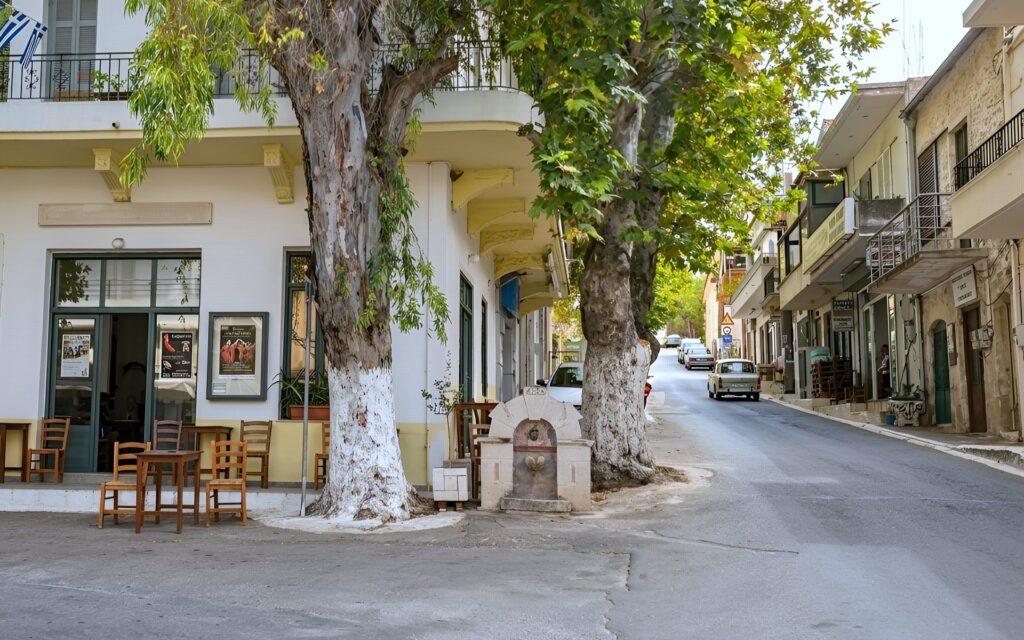
Vamos village Chania is one of the few places in western Crete that genuinely earns the word authentic. Not in the way that tourist brochures use it to mean a freshly painted kafeneion with a few decorative wine jugs. Authentic in the sense that it is a charming working village where life goes on all year round. People live here. They shop at the bakery on Saturday morning, argue over coffee in the square, and have done so for generations. You are welcome to join them. That is the whole point of coming.
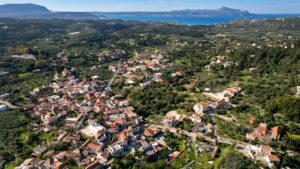
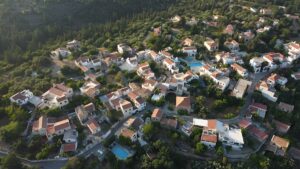
The village is built among olive groves in a semi-mountainous area at an altitude of 300 metres, with views of both the White Mountains above and the northern Cretan sea in the distance. It sits just far enough from the coast to stay off most tourists’ radars. That is its greatest advantage. In July, when the beach resorts of Kalyves and Almyrida are full, Vamos is calm. There is a table free at the taverna. Someone will greet you on the street. The cats are asleep in the shade and nobody is rushing anywhere.
Vamos is the capital of the Apokoronas district, and has been officially classified as a traditional village by the Ministry for the Environment, Physical Planning and Public Works. That classification matters. It means the architecture is protected, the renovations must respect the original fabric, and the village cannot simply be turned into a resort. What you see now is more or less what it has always looked like.
| Distance from Chania | 25 to 28km, about 35 to 40 minutes |
|---|---|
| Best season | All year. Summer for events and activities. Spring and autumn for walking. |
| Parking | Free, on the streets around the village |
| Entrance fee | None for the village. Small fee for Agios Georgios Monastery nearby |
| Rental car needed? | Recommended |
| Family friendly? | Yes |
Vamos Village Chania: A Quick History
Vamos dates back to the 8th century AD, when Arab pirates settled in the area. It was first officially recorded in the Venetian census of 1573. That census notes that the village, documented as “Vamou,” had 271 residents.
There is also a compelling theory about the name itself. Vamos was founded by Arab pirates who were expelled from Spain in the 8th century. The village takes its name from the Spanish word “vamos,” meaning “let’s go.” Whether that etymology is strictly accurate or not, it is the kind of origin story a village earns by being genuinely unusual.
During the Ottoman occupation, in 1866, Vamos became the capital of the Sfakia region and housed the Turkish headquarters, turning it into a centre of Ottoman administration. The luxurious neoclassical residences built at that time, as well as the mosque and schools, testify to the village’s period of prosperity, though it became a target of Cretan rebels. The people of Vamos proved very patriotic in their revolt against Ottoman rule, and a successful battle in 1896 secured liberty for the Cretans.
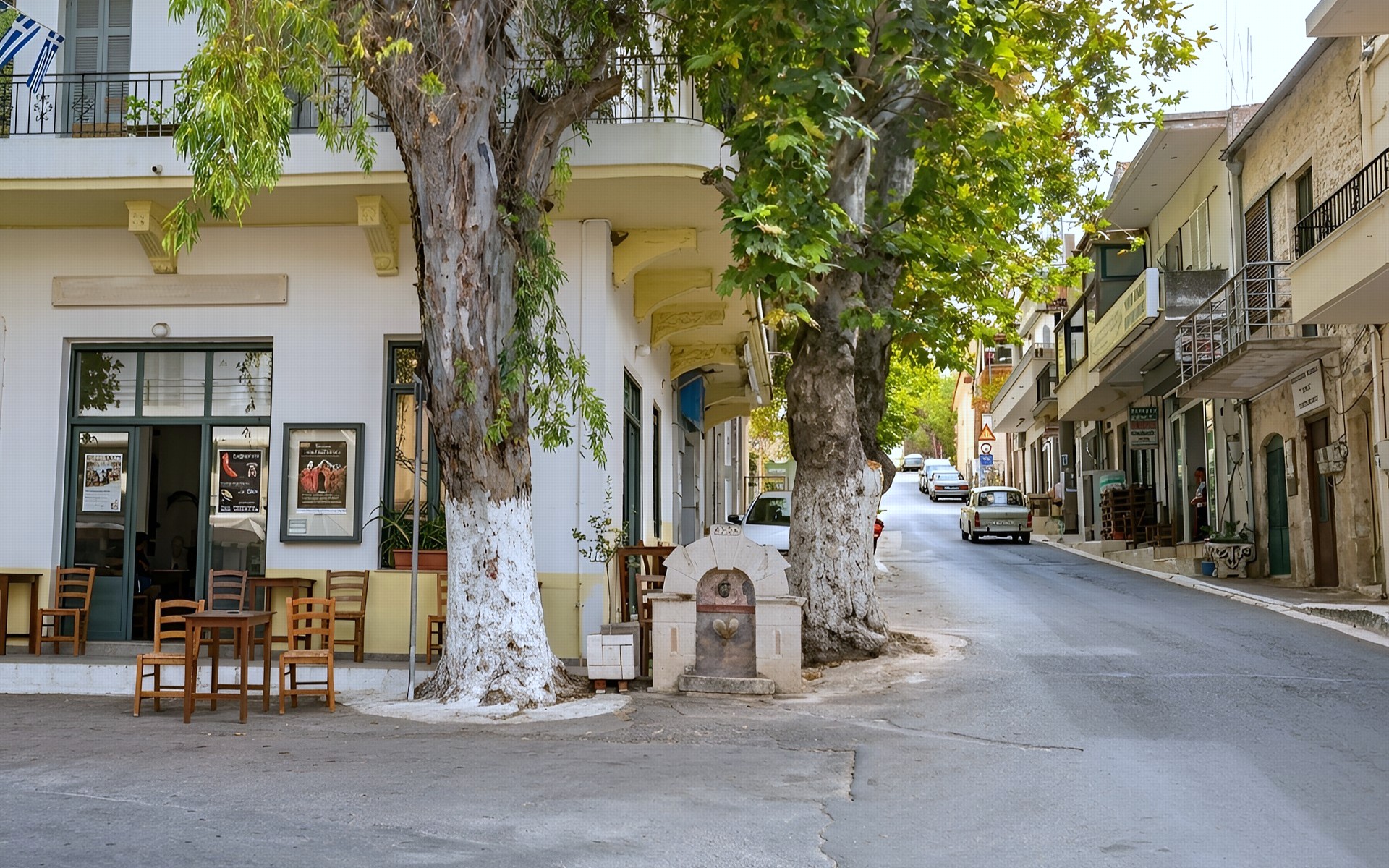
That history is visible in the streets. The neoclassical mansions that look slightly too grand for a village of this size. The school buildings that once served a whole province. The stone roads in the old neighbourhood that nobody has had to restore because nobody ever ruined them in the first place.
Local tip: Cross the road past the post office and walk uphill into the old neighbourhood. This is where the original stone-paved streets are. Most day-trippers stop at the main square and leave. The old quarter takes ten minutes on foot from the square and most people never find it.
The Architecture: What You Are Actually Looking At
The architecture of Vamos reflects the island’s long layered history. Various influences, especially Venetian ones during the 19th century, shaped its aesthetic. Homes were built from natural materials such as stone, wood, and soil, maintaining their rustic authentic feel.
Traditional houses come in two main styles: the kamarospita, a simple one-room stone dwelling typical of rural Crete; and the konakia, larger and more elegant residences once owned by wealthier families. Walk through the old neighbourhood and you will see both. The kamarospita are the small, thick-walled cottages. The konakia are the ones with the arched doorways, carved lintels, and slightly elevated terraces that belonged to whoever had money under Ottoman or Venetian rule.
Today, many of these buildings have been carefully restored and transformed into guesthouses, villas, and boutique hotels. The restoration project started in the 1990s. In 1995, a group of friends established Vamos S.A. with the aim to promote the area and share their love of the region with a wider population. The project was to organise activities that would highlight the image of a forgotten Crete, very different from the one perceived when visiting the busy tourist resorts.
It worked. This small village, having managed to preserve its traditional style and architecture to an impressive extent, has become a centre of ecotourism in Crete. That is a genuine achievement, not a marketing line. The buildings that were renovated are still lived in or run by local families. The income stays in the village.
Vamos has a functioning bakery, minimarket, pharmacy, post office, bank with ATM, petrol station, health centre, and even a court. It is a real village with real services, not a preserved museum piece.
What to Do in Vamos Village
Eat at the Tavernas
This is the main event. The village is well known for its Cretan food, especially after the renovation of the Bloumosifis Tavern in 1993. People from Chania, Rethymno, and Heraklion drive to Vamos for the village atmosphere and the local food. When people from Heraklion, two hours away, make the drive specifically for dinner, you pay attention.
Tavern “Sterna of Bloumosifis” is located in the centre of the village, as is Tavern “Marouvas.” Tavern “Parasia” is situated outside the village, about 1.5km away in the Tsikoliana area. Café Myrto, in the heart of the old neighbourhood, does homemade breakfast, pies, and pastries.
The food is proper village cooking. Slow-braised lamb, wild greens, dakos, local cheese. Not dressed up for tourists. Just made well, with the ingredients that grow nearby.
Cooking Classes
One of the most memorable experiences is joining a Vamos Village cooking class. These workshops, often hosted by locals, allow participants to learn traditional Cretan recipes using fresh regional ingredients. The classes run through the Vamos Village tourist office and fill up quickly in summer. Popular activities like traditional cooking classes fill up quickly. Book ahead, not the day before.
Visitors who have done them are consistently enthusiastic. One TripAdvisor review sums it up simply: “We were in Greece for two weeks and we had many different experiences booked. This cooking class, hands down, was the best one. Koula welcomed us like we were at home.”
The Sunday Market
Every Sunday, from 9am until 2pm, the village of Vamos comes alive with the bustling atmosphere of an open market. It is a special gathering where local producers and artists come together. Come early. The serious buyers from Chania arrive before 10am. The stalls sell honey, olive oil, seasonal vegetables, cheese, and local crafts. Bring cash.
Cultural Events and Festivals
The “Jazz in July” festival is a jazz festival held every July in Vamos, organised by the “Vamos, Art and Thought” company, which focuses mainly on cultural events. There is also a Flamenco festival, which has its own peculiar logic given the village’s supposed Spanish origins. There is an amphitheatre in Vamos, completed in recent years, now used regularly for the many art and cultural festivals for which Vamos is known.
Agios Georgios Monastery at Karydi
The Monastery of Saint George in Karydi is located about 2km east of Vamos. The monastery was abandoned for many years but was restored in 1996 and today operates normally. It is unique to the Apokoronas province and one of the most interesting monuments of folk architecture in the Chania region.
The standout sight is the old olive oil factory with 12 arches, whose roof has collapsed. There are still four olive mills, though only their bases survive because the millstones have been removed. The large size of the factory and the existence of four oil mills, unique throughout Crete, testifies to the large quantities of oil once produced here.
Worth the short drive. Not much English signage, but the architecture speaks for itself.
Local tip: The tourist office in the old neighbourhood (run by Vamos Village S.A.) is genuinely useful and not just a booking desk. The staff know every producer, every walking route, and every taverna in the region. Stop in, even if just to ask a question. They will give you a map of local driving routes through the Apokoronas villages that is hard to find anywhere else.
Producer Visits and the Olive Oil Path
The tourist office organises a series of guided experiences that go well beyond the village itself. The Olive Oil Path tour visits local olive growers, a working mill, and an old monastery. It gives an exceptional insight into the history of olive oil farming on Crete through the centuries, from ancient times to modern production, with altogether four stops including an old monastery and a guided tour through a modern olive oil mill.
The essential four of Cretan nutrition are wine, herbs, olive oil, and cheese. These tours visit the people who continue a centuries-old tradition. They welcome visitors and talk about their products, the tradition, and the long history of Crete. These are not staged demonstrations. They are working producers who happen to take guests.
Vamos as a Base
This is perhaps the strongest argument for staying in Vamos rather than just visiting for the day. The village is only 25km from Chania, 6 to 8km respectively from the beaches of Kalyves and Almyrida, and about 10km from the more touristic Georgioupolis. You are 15 minutes from the sea in any direction, but sleeping in a stone house in the hills with a view of the mountains.
The Vamos–Kefalas–Kokkino Chorio–Gavalochori–Douliana loop is a 28km asphalt road through well-preserved traditional neighbourhoods, combining medieval, 19th-century, and modern architecture, with impressive village churches, old schools, cultivated land, and wild nature, finishing with views of the northern Cretan sea and the White Mountains.
Do this route without a fixed agenda on a weekday morning. Stop when something looks interesting. It usually does.
Frequently Asked Questions
Is Vamos village worth visiting?
Yes, particularly if you have more than a few days in Chania and want to see something beyond the beach and the old town. It is a genuinely functioning village with good tavernas, interesting history, and an unusually organised approach to low-impact tourism. Vamos is widely known as a traditional destination where someone can become immersed in real authentic Crete, relax, and without any pressure, combine holiday entertainment with cultural pursuits.
How long do you need in Vamos?
Two to three hours is enough for a half-day visit, including a walk through the old neighbourhood and lunch at one of the tavernas. A full day allows you to include the Agios Georgios Monastery and a drive through the surrounding Apokoronas villages. Staying overnight is a different experience entirely.
Can children visit Vamos?
Yes. There is more than enough to keep kids of all ages entertained, with groups ranging from 5 to 17 years old. The cooking classes work well with older children. The Sunday market is good for younger ones. The village itself is safe and easy to walk.
Is there parking in Vamos?
Free street parking is available throughout the village. It is rarely a problem except on Sunday mornings during the market, when the main streets fill up early. Arrive before 9am or park on the outskirts and walk in.
When is the best time to visit Vamos?
Walking through the village in late September is a great experience: the air cools down but the sun is still warm, and the bougainvillea is still bright pink. May, June, September, and October are the best months for a relaxed visit. July and August bring more activity, including the Jazz festival, but also more people.
Can you get to Vamos without a car?
The most economical way to reach Vamos from Chania is by bus. There are daily services to the village, but unfortunately not very often. Check the e-KTEL website for current schedules before travelling. In practice, a car is the better option if you want to explore the surrounding villages and do the day properly.
The Honest Notes
Vamos is not a dramatic destination. There is no famous gorge, no lagoon beach, no ancient palace. If you come expecting an Instagram moment, you may be underwhelmed. The village square is, as one local observer notes honestly, “not the prettiest platia in the area.” The charm is in the old neighbourhood, in the food, in the conversations you have. That takes a little longer to reveal itself.
Warning: The cooking classes and the producer tours book up quickly in summer, sometimes weeks in advance. If you want to do these activities, contact the Vamos Village tourist office before you arrive on the island, not when you get there.
Warning: Google Maps can cause confusion around the Agios Georgios Monastery at Karydi. One visitor noted a similar issue near Gavalochori: Google Maps lists two locations for the area museum, one of which is “up a rough dirt track” that proved difficult to return from. Look out for the correct name on signage and check carefully before turning onto an unpaved road in this area.
Warning: Vamos is a year-round village, but some of the cultural activities and the tourist office’s organised experiences are seasonal. Most run from late April through October. If you are visiting in winter, the tavernas and cafés will be open, but the cooking classes and producer tours may not be running. Check directly with the village website before planning around them.
Getting There
By car: From Chania, take the E75 motorway east toward Rethymno and exit at the Vamos/Apokoronas sign. The village lies approximately 25 kilometres from Chania, and the journey takes about 40 minutes by car. The road is easy and well signed.

By bus: KTEL buses connect Chania with Vamos, but the service runs daily but not frequently. Check current schedules at the KTEL Chania website before you travel. The journey takes around 45 minutes.
By taxi: Taxis from Chania are available, but as there is no Uber or Bolt operating on Crete, you will need to arrange the return journey in advance. Agree on the fare before you leave.
Organised tour: Several companies run cultural day trips that include Vamos and the surrounding Apokoronas villages.
Before You Go
- Cash: bring some. The village has an ATM, but the Sunday market and smaller tavernas may be cash only.
- Shoes: the old neighbourhood has uneven cobbled streets. Comfortable shoes, not sandals with no grip.
- Booking: if cooking classes or producer tours are on your list, book before you arrive on the island.
- Sunday morning: if you want the market, arrive before 10am. Stalls start winding down after 1pm.
- Opening days: check the Agios Georgios Monastery hours directly before driving out. Most monasteries on Crete are closed Wednesdays and Fridays.
Practical Information
| Location | Apokoronas, Chania Prefecture, western Crete |
|---|---|
| Distance from Chania | 25 to 28km, approx. 35 to 40 minutes by car |
| Distance from nearest beach | Kalyves 6km, Almyrida 8km, Georgioupolis 10km |
| Altitude | 300 metres above sea level |
| Population | Approx. 700 to 800 permanent residents |
| Parking | Free street parking throughout the village |
| Tourist office | Vamos Village S.A., in the old neighbourhood. Website: vamosvillage.gr |
| Sunday market | 9am to 2pm every Sunday |
| Jazz in July festival | Every July (check vamosvillage.gr for dates) |
| Nearest petrol station | In the village (two stations) |
| ATM | In the village |
| Health centre | In the village |
Combine With
Gavalochori. Three kilometres south of Vamos. This tranquil settlement is home to a tiny but beautiful museum and a few traditional kafenia where local men gather for a glass of tsikoudia while local women spend hours at the kopaneli, the handmade lace that has made this area famous. The Gavalochori museum features seven rooms, each dedicated to distinct sections: kamarospito, silk, pottery, kopaneli, stonemasons, church, and wood carving. Small, focused, and well worth an hour.
Kalyves and Almyrida. The nearest beaches are both about 6 to 8km from Vamos. Kalyves is larger with a long seafront and a good range of tavernas. Almyrida is smaller and calmer. Neither is spectacular in the way that Elafonisi is spectacular, but both are pleasant, organised beaches with facilities. Good for combining with a morning in the village.
Douliana. Two kilometres from Vamos toward Kalyves. A traditionally preserved village with hidden corners and a peaceful environment. Very small, very quiet, and often missed entirely. The Douliana Country House restaurant here has a long-standing reputation among locals.
Kefalas. A cluster of well-preserved historic buildings and churches, perfect for an afternoon of exploration. Part of the Apokoronas loop drive that starts and ends in Vamos. Combine all four into a single half-day driving route.
Local tip: The 28km loop drive from Vamos through Kefalas, Kokkino Chorio, Gavalochori, and Douliana is best done on a weekday morning when the villages are going about their day. Stop in Gavalochori for the museum, then drive back to Vamos for lunch at the Sterna. The road is easy, the scenery is good, and you will pass fewer than twenty other tourists the entire time. That is a rare thing in Crete in summer.