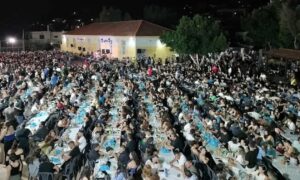
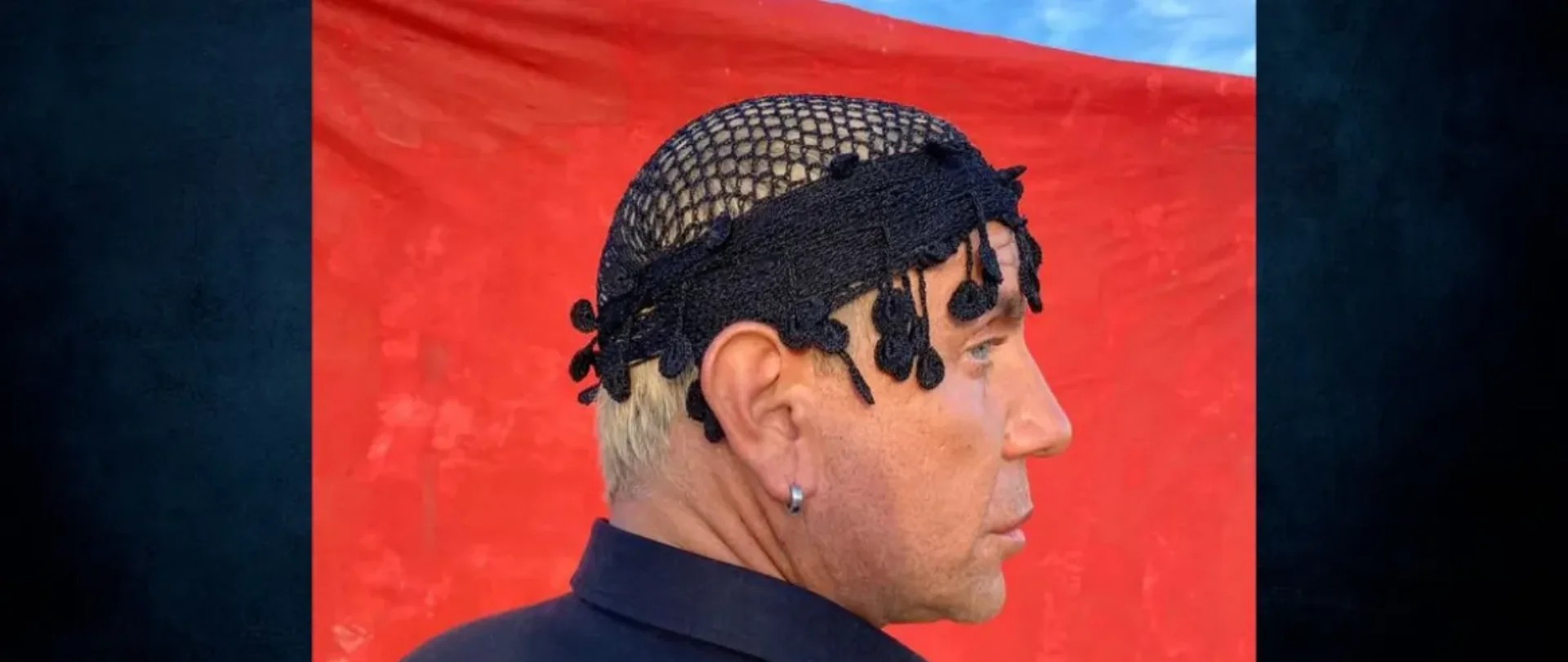
The Sariki Cretan headscarf is one of the most recognisable symbols of Cretan male identity, and in Chania you do not have to look far to find it. Old men wearing it in the kafeneion. Younger Cretans putting it on for panigiri festivals and weddings. Dancers performing at cultural events with the black fringed cloth tied tight across the forehead. It is not a costume. It is a statement.
This is not a tradition that has been preserved in a museum. It lives in everyday life, particularly in the villages of western and southern Crete, and in the old families of Chania. If you spend any time in the old town, in the market, or at a traditional festival, you will see it. Understanding what it is and what it means makes the experience of Crete significantly richer.
The sariki is also something you can buy, try on, and take home. That makes it one of the most authentic and practical souvenirs in the region, if you know where to find the real thing.
| Where to see it | Chania Old Town, village festivals, cultural events |
|---|---|
| Where to buy it | Chania Market (Agora), specialist shops in old town |
| Best season | Year-round, but summer festivals offer most context |
| Family friendly? | Yes |
| Cultural experience | High |
| Price | Check current prices in-store |
What the Sariki Cretan Headscarf Actually Is
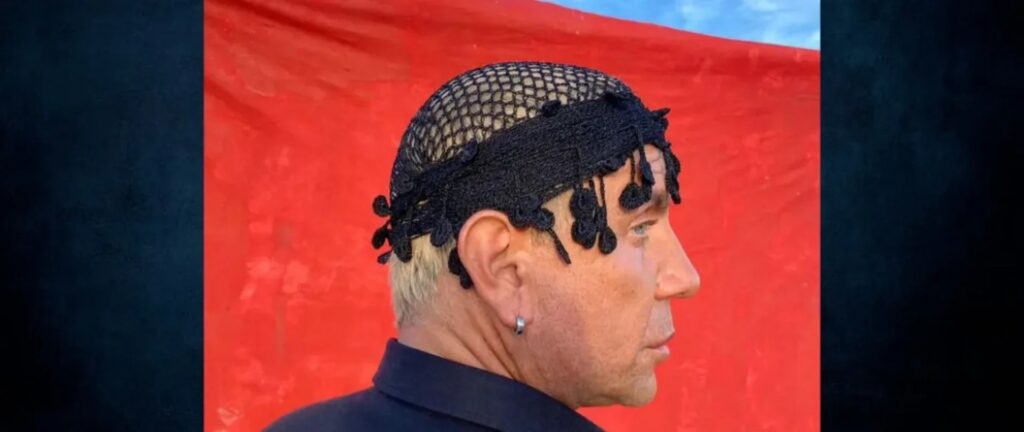
The sariki is a long piece of cloth, traditionally black, wound around the head in a specific way and tied at the front with the fringe falling forward over the forehead. The standard version is made from black cotton or wool, though the material and quality vary considerably. A working man’s sariki and a ceremonial sariki are not the same thing.
The length of the cloth is significant. A traditional sariki can be anywhere from two to three metres long. That is not excess. The wrapping technique is specific to Crete and requires practice to do correctly. There are slight regional variations across the island, including in how tight the wrap sits and exactly how the fringe is arranged.
Local tip: If you want to see a sariki tied the traditional way, ask at the shop where you buy it. Most of the older vendors in the Chania Agora or in specialist Cretan clothing shops know exactly how to do it and are usually happy to demonstrate. Do not rely on YouTube videos. The Cretan technique has specific details that get lost in translation.
The colour is almost always black. This is not coincidence. Black has been associated with Cretan male dress for centuries, connected in local tradition to a spirit of mourning and resistance. The island’s history of occupation, resistance, and loss is long and specific, and Cretan traditional dress reflects that history. Wearing black was not grief for an individual. It was a broader posture toward the world.
The History Behind the Tradition
Crete has been ruled by Byzantines, Arabs, Venetians, Ottomans, and then briefly by Egyptians before union with Greece in 1913. Through all of that, Cretan identity held together in a remarkable way. Traditional dress was part of that. The sariki, along with the vraka (the baggy trousers), the high leather boots, and the waistcoat, formed a complete Cretan male outfit that persisted across centuries of outside rule.
The Ottomans controlled Crete from 1669 to 1898. During that period, Cretan resistance was constant and frequently violent. The mountain men of the interior, the kapetanaioi, became figures of local legend. Their dress, including the sariki, became associated with that resistance. The image of the armed Cretan mountaineer with his black headscarf became a kind of cultural icon that still carries weight today.
The full traditional Cretan male outfit is called the “kritiki vraka” ensemble. The sariki is the most visible part of it, but the complete look includes the vraka trousers, leather boots, a waistcoat or jacket, and sometimes a knife sheathed at the belt.
That association with resistance and male identity is why the sariki is still treated seriously. It is not nostalgia. For many Cretan men, putting it on for a festival or a family occasion is a connection to something they take seriously. The young men who wear it at a panigiri in a mountain village are not doing it for tourists.
Where to See the Sariki in Chania
You will see it most naturally at festivals. Chania has a calendar of cultural events, particularly in summer, where traditional music and dance are performed with full traditional dress. The Cretan lyra players and the dancers at any serious event will be wearing the sariki. These events happen in village squares across the Chania region throughout summer and early autumn.
The Chania Municipal Market (the Agora), built in 1913, is where you will find vendors selling traditional Cretan goods including the sariki. The market is worth a visit regardless. It is a real working market, not a tourist reconstruction. The mix of butchers, cheese sellers, herb vendors, and traditional craft shops gives you a clear picture of how Chania actually functions.
Local tip: The old town streets around Chalidon and the lanes heading toward Splantzia neighbourhood have small shops selling Cretan clothing and textiles. The closer you get to the main tourist thoroughfares, the more likely you are to find machine-made versions aimed at souvenir buyers. Walk slightly off the main drag and you have a better chance of finding shops that cater to locals as well as visitors.
Easter and the period around it is another good time. Traditional dress appears more widely during the Holy Week ceremonies and the celebrations that follow. If you are in Chania at Easter, you will see the sariki in context in a way that is much more meaningful than a shop encounter.
Buying a Sariki: What to Know
If you want to buy one, there are a few things worth knowing. Quality varies. A cheaply made tourist sariki is easy to spot. The cloth is thin, the fringe is uniform, and it has probably been made outside Crete. A proper one is heavier, the black is deeper, and the texture of the weave has more substance.
Warning: The souvenir shops immediately around the Venetian harbour sell saris that are primarily decorative items. They are inexpensive and look fine in a photograph. If you want something with actual textile quality that will last and that you could actually wear, go to the Agora or to a specialist Cretan clothing shop rather than the harbour shops. Ask specifically for a hand-woven or traditionally made version.
Prices vary considerably depending on quality and source. A mass-produced version is inexpensive. A traditionally made one from quality cloth costs noticeably more. Neither is wrong as a purchase, but know which one you are buying.
The sariki also makes a practical piece of clothing when used correctly. Hikers and walkers in Crete have adopted it for sun protection on exposed routes. Wrapped around the head, it does exactly what it was designed to do in a hot, dry climate.
The Sariki in Cretan Culture Today
It would be wrong to say this is a dying tradition. In Chania and the wider Cretan interior, the sariki still appears regularly at weddings, baptisms, name day celebrations, and festivals. It is worn by men of all ages at events where Cretan identity is being expressed. The lyra player at a village celebration will almost certainly be wearing one.
What has changed is the everyday context. Sixty years ago, older men in villages wore the sariki as regular daily dress. That is now rare. You will occasionally see an elderly man in a mountain village wearing it on an ordinary morning. But in Chania town itself, the daily sariki is mostly confined to the generation that grew up in it.
Warning: Do not mistake the sariki for a costume or assume that asking to photograph someone wearing one is straightforward. The older men in villages who wear it daily are not tourist attractions. Treat them as you would any person you want to photograph. Ask first. Many will be perfectly happy, but the courtesy matters.
There is a broader cultural movement in Crete to maintain and teach traditional practices, including dress, music, dance, and dialect. The sariki is part of that. Cultural associations in Chania run classes and events specifically aimed at keeping these traditions alive. If you want to engage more seriously, some of these groups welcome outside interest.
The Cretan lyra is the traditional instrument of Crete and goes everywhere the sariki goes. If you hear live lyra music in Chania, there is a very good chance the performer is in full traditional dress.
Frequently Asked Questions
What is a sariki exactly?
A sariki is a long piece of black cloth wound around the head in a specific Cretan style. It is traditional male headwear from Crete, worn as part of the full traditional outfit (the vraka ensemble) and still worn regularly at festivals, weddings, and cultural events.
Where can I buy a sariki in Chania?
The best places are the Chania Municipal Market (Agora) and specialist Cretan clothing and textile shops in the old town, particularly in the streets around Splantzia neighbourhood. Avoid the souvenir shops directly on the harbour front if you want something of reasonable quality.
Can I wear a sariki as a tourist?
Yes. There is no rule against it, and no one will be offended if you wear one respectfully. Cretan people are generally proud when outsiders show genuine interest in their culture. Wearing it carelessly as a prop for selfies in a bar is a different matter.
Is the sariki tradition dying out?
Not exactly. Daily wear has declined, particularly in towns. But the sariki is still worn regularly at festivals, celebrations, and cultural events by Cretans of all ages. There is active effort within Cretan cultural associations to maintain and pass on the tradition.
What is the difference between a tourist sariki and a traditional one?
Weight, cloth quality, and the depth of the black dye are the main differences. A proper sariki is made from heavier cloth, has a denser weave, and holds its shape when wrapped. A tourist version is lighter, fades faster, and is usually made for display rather than use.
How do you tie a sariki?
There is a specific Cretan wrapping technique involving a precise fold, a tight wrap around the head, and a knot at the front that leaves the fringe falling forward. It takes practice. Asking a vendor or local who knows the tradition to show you is the best approach.
The Honest Notes
Warning: A lot of what is sold as traditional Cretan clothing in tourist areas is produced in bulk and has little connection to the actual craft tradition. This does not mean it has no value as a souvenir, but be clear about what you are buying. If provenance matters to you, ask where and how the item was made.
The sariki is not the only part of the Cretan male tradition worth knowing about. The vraka, the high leather boots (stivania), and the embroidered waistcoats are all part of the same cultural picture. Shops selling one usually sell the others. If you develop an interest, it is worth looking at the full ensemble in context rather than just the headscarf in isolation.
Warning: Summer in Chania is extremely busy from July through August. Shops in the old town will be crowded and vendors will not always have time for extended conversations. If you want a genuine conversation with someone about the tradition and the garment, try visiting shops in the morning before the crowds build, or aim for May, June, September, or October when the pace is calmer.
Getting There
The main places to see and buy sarikas in Chania are all in the town centre, which makes logistics simple.
The Chania Municipal Market (Agora) is on Minoos Street at the edge of the old town, a short walk from the Venetian harbour. You can walk there from most accommodation in the old town in under ten minutes. There is no specific need for a car to visit the market.
For village festivals where you are likely to see the sariki worn in context, a rental car becomes essential. The villages of the Sfakia region, the White Mountains foothills, and the Apokoronas area all have their own festival traditions through summer. Getting to them without your own transport is difficult.

Organised cultural tours from Chania sometimes include traditional music and dance performances. These will often include performers in full traditional dress.
Practical Information
| Best place to buy | Chania Agora (Municipal Market), Splantzia area shops |
|---|---|
| Best time to see it worn | Summer festivals, panigiri events, Easter |
| Opening hours (Agora) | Check locally, generally mornings |
| Price range | Check in-store for current prices |
| Cash or card | Many small shops prefer cash |
| Language | English spoken in most tourist-facing shops |
Combine With
If you are spending time in Chania old town looking at traditional culture and crafts, the following are worth adding to the same day or trip.
The Chania Archaeological Museum in the old Venetian church of San Francesco gives context for Cretan civilisation from the Minoan period forward. It is close to the market and worth an hour.
The Etz Hayyim Synagogue in the old town is one of the few functioning synagogues in Greece and reflects the layered history of Chania’s communities. It is small, quiet, and genuinely moving.
The Folklore Museum of Chania has exhibits specifically about traditional dress and craft traditions. It is exactly the right complement to buying a sariki. Seeing the full traditional costume in a display context helps you understand what you are looking at in the market.
Apokoronas villages such as Vamos and Gavalochori, around 30 minutes east of Chania, maintain strong craft and culinary traditions. Gavalochori in particular has a small folklore museum focused on silk weaving and traditional textiles.
Local tip: If you happen to be in Chania on a summer evening when there is a live lyra performance in one of the squares, stop. Even if you only stay for ten minutes. The combination of the music, the heat coming off the stone, and the sight of older Cretan men in full traditional dress is one of those things that does not translate well into a photograph. You have to be there for it.