
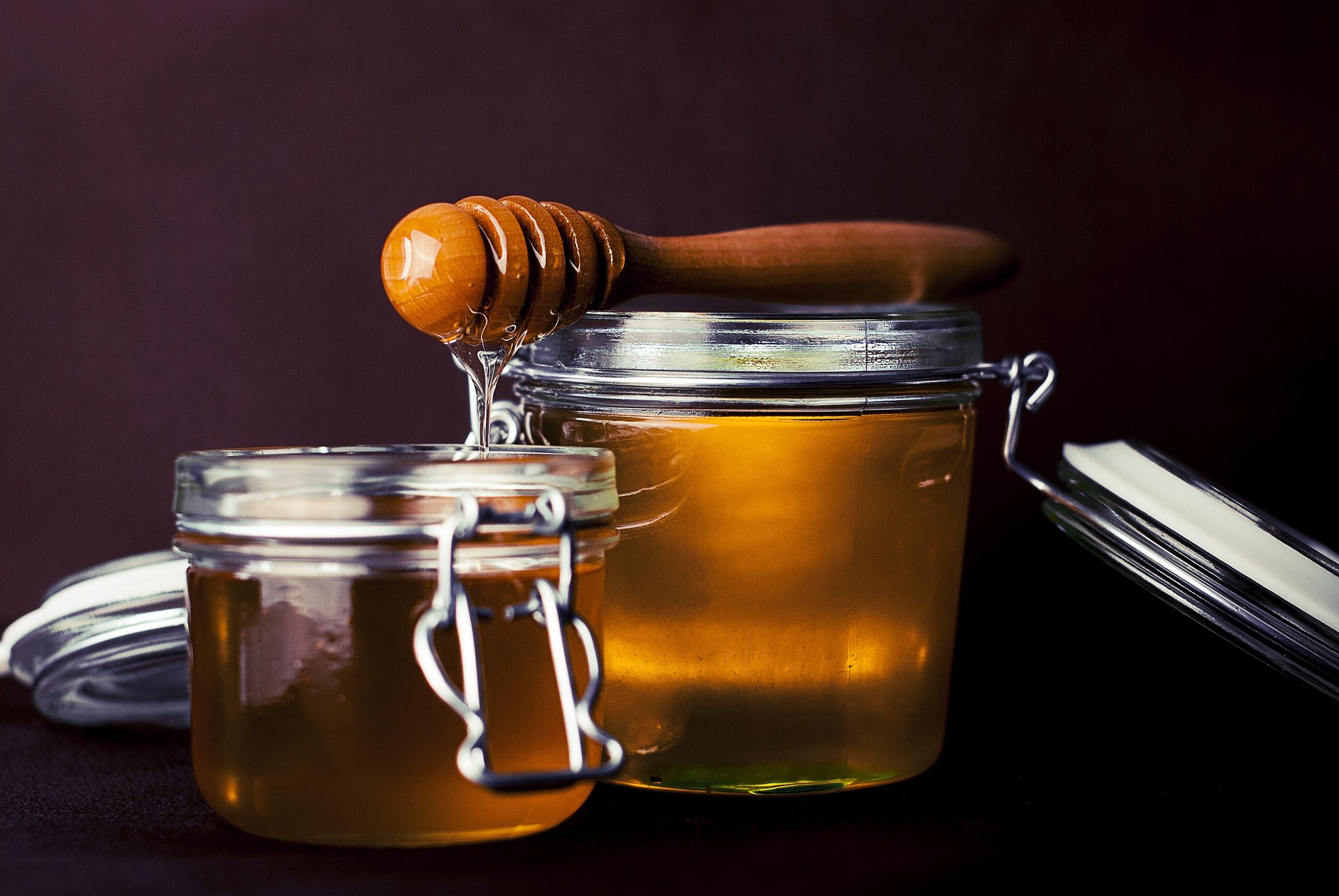
Cretan honey Chania is one of the best food souvenirs you can bring home from a holiday in western Crete, and also one of the most misunderstood. Tourists walk into shops along the harbour, pick up a jar with a pretty label, pay a premium price, and later wonder why it tastes different from what they sampled at a local table. The reason is usually simple. They bought the wrong thing, from the wrong place, at the wrong time of year.
This guide is about helping you avoid that. Crete produces some of the most distinctive honey in Europe. The island’s wild herb landscape, long dry summers, and lack of industrial agriculture create conditions for honey that genuinely cannot be replicated elsewhere. But not every jar on a tourist shelf deserves the price tag. Knowing what to look for, where to buy, and what questions to ask makes a real difference.
| Best season to buy | May through October (fresh summer harvest) |
|---|---|
| Where to buy | Farmers markets, local producers, specialist shops |
| Common types | Thyme, pine, orange blossom, heather, wildflower |
| Average jar size | 450g to 1kg |
| Rental car needed? | Recommended for visiting producers outside Chania town |
| Family friendly? | Yes |
Why Cretan Honey Is Different
Crete is not like mainland Greece in terms of landscape. The mountains here are steep and dry for much of the year. The Lefka Ori, the White Mountains that dominate the skyline from Chania, push up past 2,400 metres. Below the snowline and above the olive groves lies a band of open scrubland covered in wild thyme, sage, oregano, and dozens of other aromatic plants. This is where Cretan bees spend the summer. The result is a honey with intense floral character that food scientists have studied and documented for decades.
Greek honey in general has higher antioxidant content than most European honeys. Cretan honey sits at the top of those measurements, particularly thyme honey and pine honey. This is not marketing. Agricultural research from the University of Crete and from international food institutes has confirmed it. The reason is the density and variety of wild flora on the island, combined with minimal pesticide use in the mountain zones where most hives are kept.
Local tip: Thyme honey from the Lefka Ori is the most prized variety in the Chania region. It has a strong, slightly medicinal aroma that mellows into something almost spicy on the palate. It crystallises quickly in winter, which is actually a sign of quality, not a defect.
The beekeeping season in Crete follows the landscape. Bees work the orange and citrus blossoms in spring, producing a lighter, more delicate honey. By early summer the thyme flowers on the mountain slopes, and beekeepers move their hives to higher altitude. Late summer brings heather. Pine honey, which is not produced from flowers at all but from the secretions of an insect that lives on pine trees, is harvested in the forests of eastern Crete and the Peloponnese, though some Cretan producers work pine zones too. Each variety tastes completely different. Trying them side by side is one of the better food experiences you can have in Chania.
The Main Types of Cretan Honey to Know
Thyme Honey
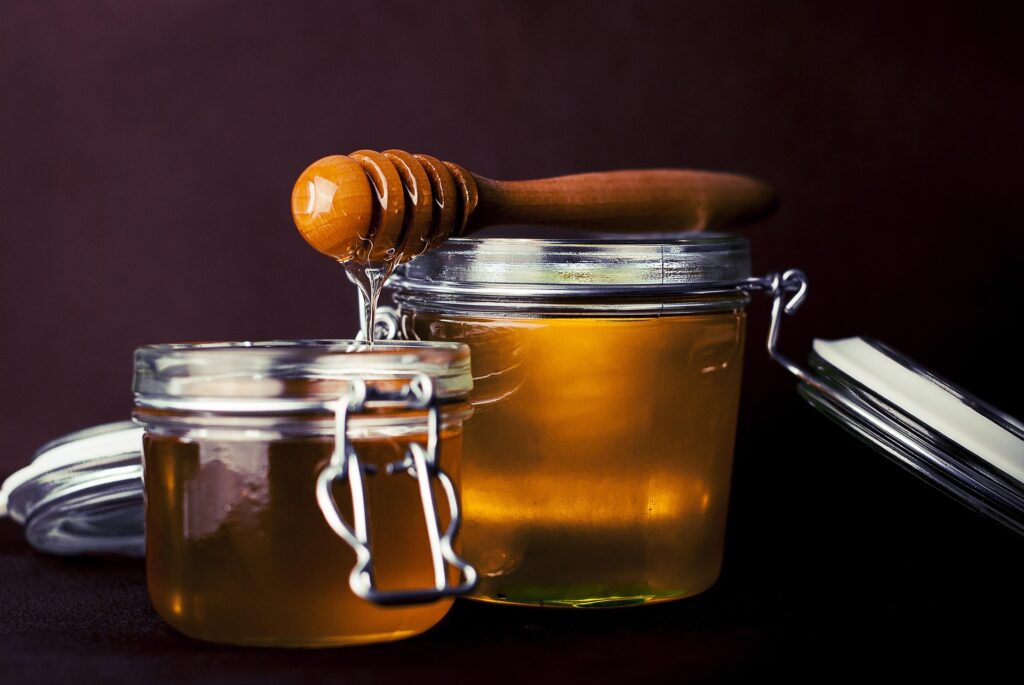
This is the flagship. Strong, aromatic, with a warm amber colour. It is more expensive than other varieties and rightly so. The bees work hard in difficult terrain to produce a relatively small yield. Authentic Cretan thyme honey is among the best in the world. If a shop is selling it cheaply, be careful.
Pine Honey
Darker than thyme honey, less sweet, with a slightly resinous edge. It takes longer to crystallise than other honeys, sometimes staying liquid for months. Pine honey is rich in minerals and has a complex flavour that pairs well with strong cheeses. Not to everyone’s taste immediately, but worth trying.
Wildflower and Herb Honey
These are blended honeys from hives that have worked a variety of plants across the season. Quality varies more than with single-source honeys, but a good wildflower honey from an honest producer can be excellent. It tends to be more affordable and more versatile in the kitchen.
Orange Blossom Honey
Light, floral, with a gentle citrus note. This is the early season honey, harvested in April and May when the citrus orchards of western Crete are in flower. It is delicate and does not keep as long as thyme honey. If you can find it in spring or early summer it is worth buying.
Crete produces around 1,500 tonnes of honey per year. Greek honey overall accounts for roughly 16% of total EU honey production, despite Greece being a relatively small country by land area.
Where to Buy Cretan Honey in Chania
The Municipal Market (Agora)
The covered market in the centre of Chania town is the most accessible starting point. Several stalls sell local honey, often alongside olive oil, herbs, and dried goods. The sellers here generally know their products and are used to explaining the differences to visitors. You can usually taste before you buy. Check the label carefully: you want honey produced in Crete, ideally from a named area or producer. If the label is vague or lists a bottling company from Athens, ask more questions.
Warning: Some jars sold in tourist-facing shops in the old harbour area are packaged to look artisanal but contain blended honey imported from other countries and mixed with a small proportion of Greek honey. This is legal but misleading. Read the label. Look for “Product of Greece” and, ideally, a specific region or beekeeper name.
Local Producers and Farm Shops Outside Town
The real finds are outside the city. Drive south toward the Apokoronas region, or west toward the Kissamos area, and you will start to see roadside signs for local honey. A family beekeeping operation outside a village will not have slick packaging. The honey will be in plain jars with handwritten labels, or simple printed stickers. This is where you get the honest product at a fair price.
Several producers in the villages around Vamos, Gavalochori, and along the road toward Sfakia sell directly from home or from small farm shops. The person selling it is usually the person who kept the bees. Ask where the hives are located and what plants they worked. A genuine producer will answer these questions without hesitation.
Local tip: If you are staying in a rural area or an agritourism property, ask your host where they buy their honey. Locals are not buying from the harbour shops. They know a person, a family, a producer down the road. That recommendation is worth more than any list online.
Farmers Markets in Chania
The weekly street market in Chania (the laiki agora) rotates through different neighbourhoods on different days of the week. The main market serving the wider public runs on Saturday morning in the Koum Kapi area, though there are smaller markets on other days. Local producers bring honey alongside vegetables, olives, and dairy. This is a genuinely local shopping experience, not designed for tourists, and prices reflect that.
Specialist Food Shops
There are a small number of dedicated Cretan food shops in Chania town that stock well-sourced local products. These are useful if you want a curated selection and some explanation of what you are buying. Prices will be higher than buying direct from a producer, but the quality is vetted and the range is good. Staff in these shops usually speak English well.
How to Read a Honey Label in Greece
Greek law requires honey labels to state the botanical origin (thyme, pine, wildflower, etc.), the country of origin, and the name and address of the producer or packager. If the label only says “Product of EU countries” for the origin, that means it is a blend from multiple countries. Avoid this.
The best labels will say “Product of Greece” and name a specific region. Even better is a specific producer name and municipality. PDO (Protected Designation of Origin) status exists for some Greek honeys, including honey from certain Cretan areas. Look for the PDO logo if you want the highest level of verified provenance.
Warning: Crystallised honey is not spoiled honey. Many tourists assume a jar that has gone solid is old or degraded and leave it on the shelf. In fact, crystallisation is a natural process and happens faster in high-quality honeys with higher glucose content, particularly thyme honey. You can liquefy it gently by placing the jar in warm water.
Using Cretan Honey: How Locals Eat It
The standard Cretan breakfast puts honey front and centre. A spoonful over thick Greek yoghurt with a few walnuts. Drizzled over graviera cheese. On a piece of rusks (paximadia) with olive oil. Simple combinations that work well because the honey itself has enough character to carry the dish.
Local tavernas often serve honey at the end of a meal with loukoumades, the fried dough balls that are the closest thing Crete has to a national dessert. Hot, crispy, flooded with thyme honey and sometimes a dusting of cinnamon. This is not a delicate dessert. It is exactly as good as it sounds.
In Cretan cooking, honey appears in marinades for meat, in slow-cooked lamb dishes, and in a range of pastries and sweets. The apitherapy tradition, using honey medicinally, is still alive in rural areas. Older Cretans will tell you without embarrassment that honey cures a sore throat, aids sleep, and settles a stomach. There is enough research behind some of these claims that it is hard to dismiss entirely.
Graviera cheese with Cretan thyme honey is one of the best simple food combinations on the island. Order it as a mezze in any taverna that serves it. It costs almost nothing and takes about three minutes to arrive.
Frequently Asked Questions
Is Cretan honey really better than other honey?
For certain varieties, yes. Thyme honey from Crete has been measured to have exceptionally high antioxidant content and a flavour profile that is genuinely distinctive. The island’s wild flora, dry climate, and relatively pesticide-free mountain terrain contribute to this. That said, quality varies between producers. Good Cretan honey is excellent. Bad Cretan honey is ordinary.
How much honey should I buy?
A 450g jar fits easily in a suitcase. A 1kg jar is better value per gram and worth the extra weight if you are checking luggage. Buy one jar of thyme honey and one of a second variety to compare at home. Most good honey keeps for two years or more if stored in a cool, dark place.
Can I take honey home on a plane?
Honey is not restricted from a food safety or customs perspective when travelling within the EU or returning to most countries. It is, however, a liquid under EU aviation regulations, so jars larger than 100ml cannot go in hand luggage. Pack it in your checked bag, wrapped in clothing to prevent breakage.
How do I know I am buying genuine local honey?
Check the label for a specific Greek region or producer name. Buy from farmers markets or direct from producers where possible. Ask who made it and where the hives are. A genuine producer will answer these questions. If the seller cannot tell you where the hives are, treat that as a warning sign.
What is the best time of year to buy fresh Cretan honey?
The summer harvest (thyme honey) is collected from June onward, with the freshest product available from July through September. Orange blossom honey from the spring harvest is available from late April. If you are visiting outside these windows, honey from the previous season is still very good. Honey does not expire quickly.
Are there honey tasting experiences in Chania?
Some beekeepers around the Apokoronas region and the Kissamos area offer visits to apiaries with tastings. Food tours of Chania town often include local honey alongside other Cretan products.
The Honest Notes
Warning: The most expensive honey in Chania is not always the best. Some harbour-area shops charge high prices for products that are not significantly better than what you would find at a market stall or village farm shop. Price is not a reliable quality indicator here. Provenance and producer identity matter more.
Warning: Honey labelled “Greek honey” may include honey harvested outside Crete. If you specifically want Cretan honey, look for labels that state the region. Cretan producers are proud of their origin and will put it on the label. If the label does not mention Crete, do not assume it is Cretan.
Getting There
Most of the best honey comes from producers outside Chania town, and getting to them without a car is genuinely difficult. The farmers markets in town are accessible on foot or by taxi. The Agora market is in the centre. For visiting farms and producers in the Apokoronas, Kissamos, or southern Chania areas, a rental car is the only practical option.

Local buses serve some village routes, but schedules are infrequent and routes do not align well with visiting specific producers. Taxis can work for a single destination if you arrange a return time with the driver, but this is expensive. An organised food tour is the easiest option if you want to visit producers without driving yourself.
Practical Information
| Agora market location | Central Chania, Plateia Venizelou area |
|---|---|
| Agora opening hours | Generally Monday to Saturday, morning to early afternoon. Check locally for current hours. |
| Saturday laiki market | Koum Kapi area, Saturday mornings |
| Language | Most market sellers speak basic English. Farm producers vary. |
| Payment | Cash preferred at markets and small producers. Cards accepted in shops. |
| Jar sizes | 250g, 450g, 1kg most common |
| Customs | Check your home country’s import rules, though honey is generally unrestricted within the EU |
Combine With
Buying honey combines well with other food and market experiences in and around Chania. The Agora market sits near the old harbour and can be combined with a morning walk through the Venetian port. The Saturday market in Koum Kapi is close to the beach there, making it easy to combine with a morning swim.
Driving to honey producers in the Apokoronas area pairs naturally with a visit to Lake Kournas, Crete’s only freshwater lake, about 43km from Chania. The road through the Apokoronas villages is pleasant and unhurried.
The drive toward Kissamos for western Cretan producers runs past the turnoff for Balos lagoon and continues toward Falassarna beach. A full day combining a honey producer visit with one of these beaches is a perfectly paced western Crete day.
For food-focused visitors, the combination of the Agora for honey and olive oil, a cooking class in Chania town, and lunch at a proper Cretan taverna covers the core of what Cretan food culture actually is.
Local tip: If you find a producer you trust, buy more than you think you need. Good Cretan thyme honey is not easy to source at home, and the price you will pay for something equivalent in a London or Amsterdam food shop is considerably more than what you paid standing in someone's courtyard in the hills above Chania.