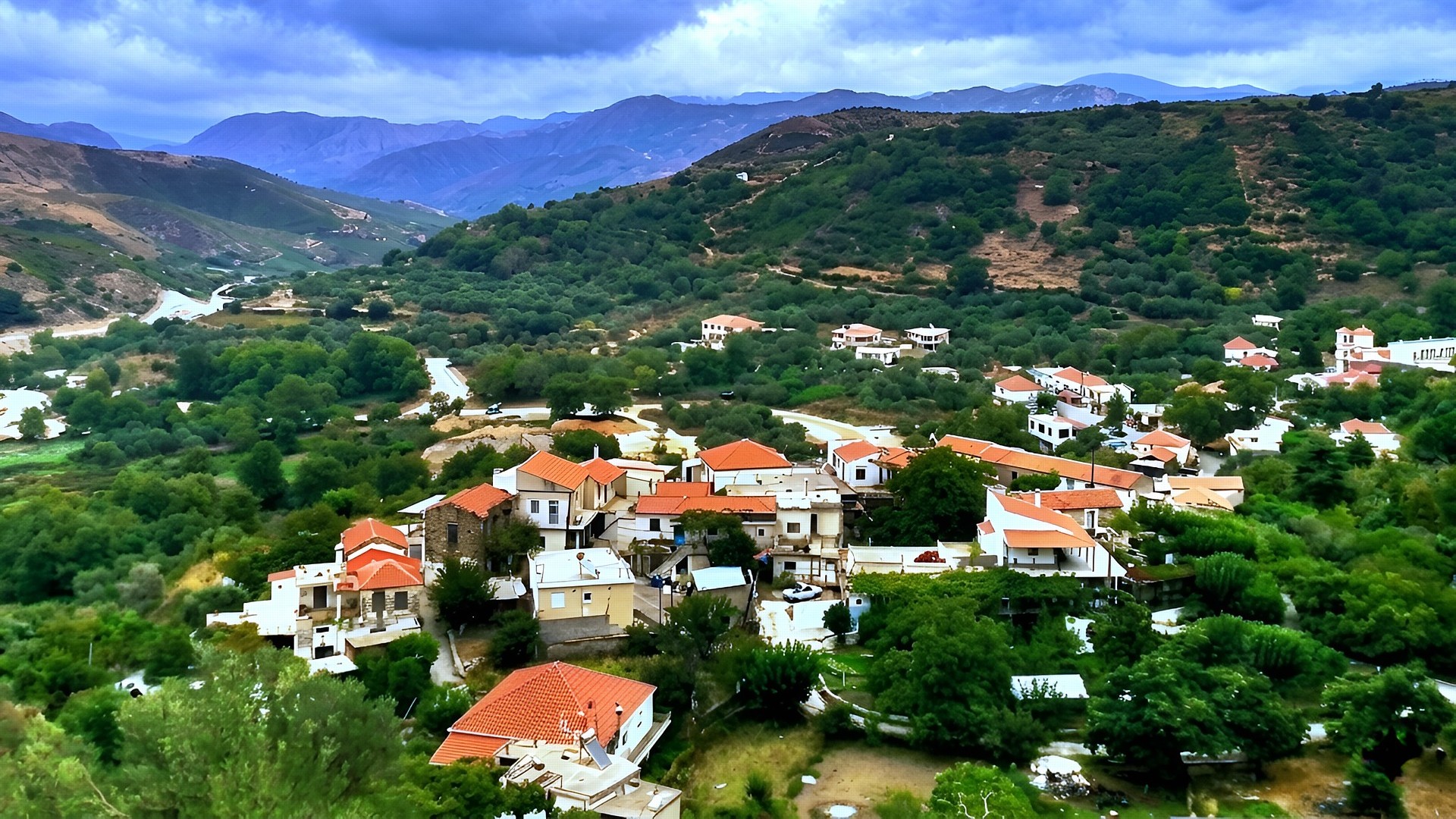
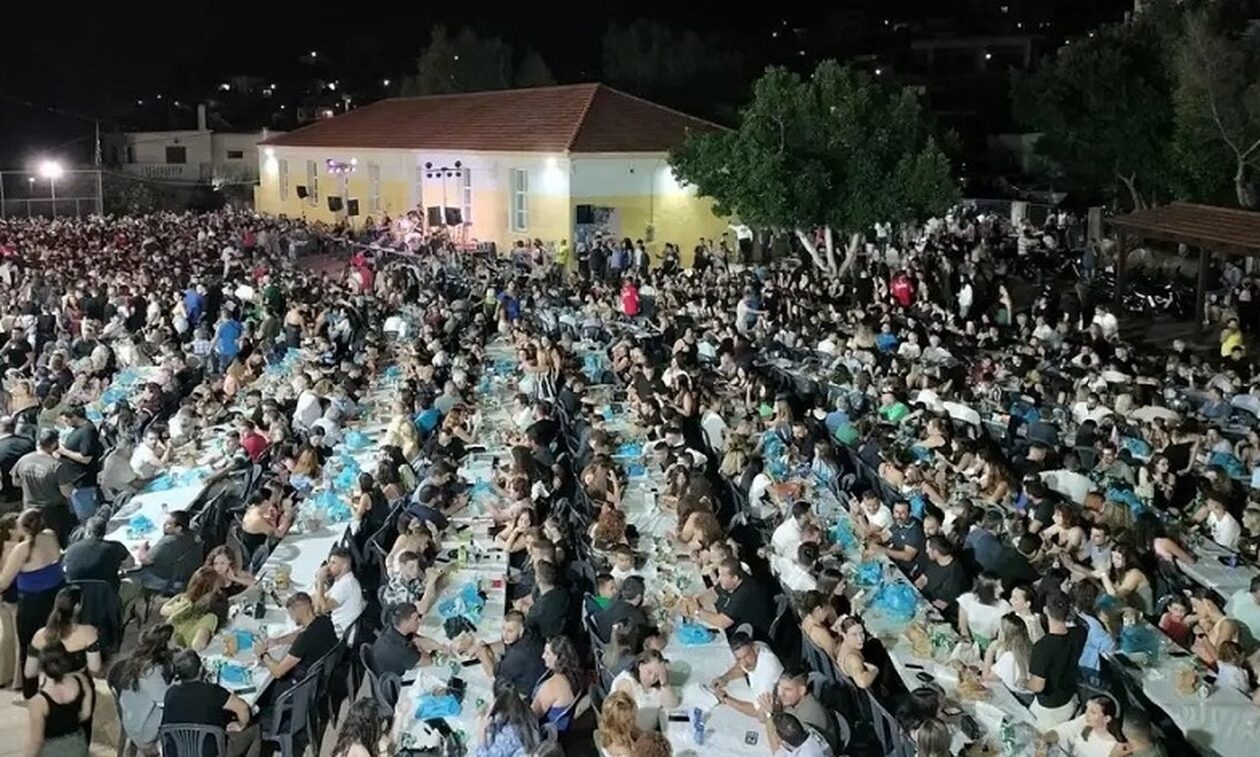
Cretan festivals in Chania give you a window into something most tourists never find: the actual life of this place. Not the postcard version. The real one. Villages that seem half-empty in the afternoon come alive after dark. Church squares fill with tables and chairs. There is music, there is food, there is dancing that starts at midnight and goes until the sun comes up. If you time your visit well, you will stumble into something you did not expect and probably cannot explain to people when you get home.
Crete has a long memory. The island’s festivals reflect centuries of Orthodox Christian tradition, Venetian influence, agricultural cycles, and a culture that takes celebration seriously. The Chanians in particular are proud of their music, the Cretan lyra above all else, and almost every significant event will feature live musicians playing until the small hours. This is not background music. It is the point.
This guide covers the main festivals, religious events, and local celebrations across the Chania region month by month. Some draw thousands of tourists. Others are attended almost entirely by locals. Both are worth knowing about.
| Best months for festivals | April, June, July, August, September |
|---|---|
| Religious calendar basis | Greek Orthodox |
| Type of events | Religious feasts, harvest festivals, music events, cultural celebrations |
| Do you need a car? | Yes, for village festivals outside Chania town |
| Family friendly? | Yes, most festivals welcome all ages |
| Booking needed? | Usually not for public events. Some ticketed events require advance booking. |
| Language | Greek. Most events in Chania town have some English signage. |
What Makes Cretan Festivals in Chania Different
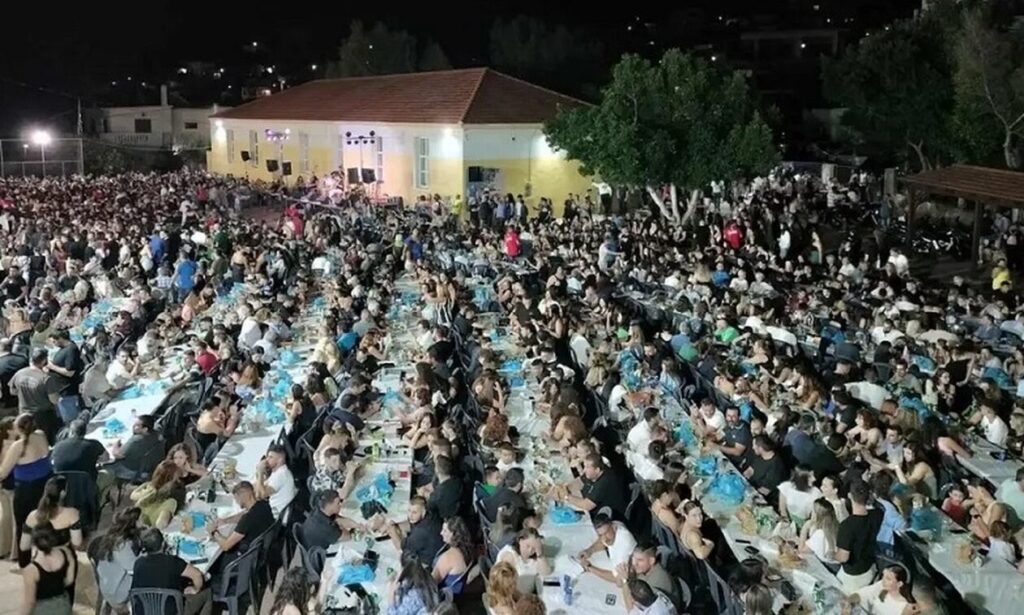
Most Greek islands celebrate in ways that have been smoothed out for tourism. Crete is different. The interior villages especially maintain traditions that have not been adapted for outside audiences. When a village celebrates the feast of its patron saint, it is a genuinely local event. Outsiders are welcome, but nobody has planned it for you. The tables are often free. The food is shared. You sit where there is space.
The music is central to everything. The Cretan lyra is a small bowed instrument with a sound quite unlike anything you will have heard before. Coupled with the laouto, a kind of lute, and often a lyre player who sings mantinades, improvised rhyming couplets, the music at a good festival is extraordinary. Do not leave early.
Local tip: If you are at a panigiri (a village feast day) and the dancing starts, do not just watch. Someone will pull you in eventually anyway. Better to join willingly. The dances are not complicated if you follow the person ahead of you in the line.
The Cretan Festival Calendar: Month by Month
January and February
January is quiet. Clean Monday, known as Kathara Deftera, marks the beginning of Lent and usually falls in late February or early March depending on the Orthodox calendar. It is a public holiday. Families head to the countryside to fly kites and eat Lenten food, lagana bread, taramosalata, olives. The beaches and hilltops around Chania fill with people. It is not a ticketed event. Just go outside and you will find it.
The Chania Carnival also takes place in February, in the weeks leading up to Lent. The main parade happens on the last Sunday before Clean Monday. Floats, costumes, and a route through the town centre. It is a family event in the daytime, more raucous in the evenings.
March and April
25 March is Greek Independence Day. There is a military and student parade through central Chania. The streets around the market fill up. This is a good opportunity to see civic Chania rather than tourist Chania.
Orthodox Easter is the most important celebration in the Greek calendar, more significant culturally than Christmas. The dates shift year to year. The Epitaphios procession on Good Friday evening is one of the most moving things you can witness in Greece. The floral-decorated bier is carried through the streets of every neighbourhood, accompanied by slow hymns and candlelight. Midnight on Holy Saturday is when the resurrection is announced. Churches distribute the holy flame. The crowds outside light their candles from each other. Shortly after midnight, fireworks and the smell of lamb already on the spit. Easter Sunday lunch is the biggest meal of the year for most Cretan families.
Warning: Around Easter week, many businesses and restaurants operate reduced hours or close entirely. Book accommodation and restaurants well in advance if you are visiting during Holy Week. Chania fills up.
May and June
The feast of Agios Konstantinos on 21 May draws gatherings in several villages. The main summer cultural season begins to open. Open-air cinema, concerts in the Old Port area, and the first of the village panigiria (feast days) start appearing.
Midsummer is busy but not yet overwhelming. June often brings the beginning of the Chania Summer Arts Festival, which runs cultural events in the open-air spaces around the city, including the Firkas Fortress and the area around the lighthouse. Programming changes each year, so check local listings closer to your visit.
July and August
This is the peak of the festival season. Almost every village in the Chania prefecture celebrates its patron saint at some point during these months. The pattern is consistent: a church service in the evening, followed by tables set up in the square, food, wine, and music that runs long past midnight. Some of the best are in the Apokoronas region, in the villages of the White Mountains foothills, and around the Kissamos area.
Local tip: Ask your accommodation host or a local taverna owner which village panigiria are happening nearby during your stay. There is no central calendar that lists them all. Word of mouth is how you find the good ones.
The Chania Wine Festival is typically held in late July or early August in the public gardens near the covered market. Entry includes unlimited wine tasting from producers across Crete. It gets crowded. Go earlier in the evening rather than later if you want to actually taste the wine rather than queue for it. Check the official Chania municipality website for current dates as these shift slightly year to year.
The Kissamos Festival in the town of Kissamos, about 45 minutes west of Chania, runs through August and includes music events, traditional dance performances, and food stalls. It is less polished than the city events. That is why it is worth going.
Warning: August is the hottest and most crowded month. Village festivals that start at 9pm are genuinely more pleasant than they sound. The heat of the day is gone, the wine is cold, and the company is good. Do not skip them because of the late start time.
September and October
The tourist crowds thin out from mid-September. This is actually when some of the most interesting local celebrations happen, because they are less observed by outsiders.
The Chestnut Festival in Elos village, in the far west of Crete near the Topolia Gorge, takes place in late October. Elos is one of the few places in Crete where chestnut trees grow in significant numbers. The harvest is celebrated with roasted chestnuts, local food and wine, music, and dancing. The drive through the mountain road from Kissamos to Elos is itself worth the trip. The village square fills up on festival day. Parking in the village is limited so arrive early or park on the approach road and walk.
The grape harvest period in September prompts smaller local celebrations in wine-producing villages, particularly around the Kastelli area and the Apokoronas region.
November and December
The religious calendar continues with various saints’ days. 7 November marks the anniversary of the Union of Crete with Greece in 1913. There are official ceremonies. Not a major tourist event but worth knowing about if you are here.
Christmas and New Year in Chania are pleasant. The Old Town is lit up and the atmosphere in the evenings around the harbour is genuinely warm. Fewer tourists than summer, but restaurants and cafes are open. Many locals consider December one of the best times to visit.
The Cretan Orthodox calendar drives most local celebrations. If you want to experience a real panigiri, the key months are July and August. For bigger city events, June to September. For authentic quiet moments, May or October.
Honest Notes About Attending Cretan Festivals
Warning: Village festivals have no formal schedule. Things start late and end when people are ready. If you need to be back at your hotel by 11pm, this is not the experience for you. If you can be flexible, the rewards are significant.
Village panigiria are free to attend. The food and wine are typically included or charged at a small contribution. Nobody is going to present you with a bill the way a restaurant would. Just participate, eat when the food comes round, and when someone fills your glass say “yamas”. That is all the Greek you need to get started.
Dress codes at religious events are what you would expect. Cover your shoulders and knees for church services. The outdoor celebrations afterwards have no dress code.
Photography is generally fine at the outdoor celebrations. Inside churches during services, ask first or simply watch what others are doing.
Warning: Do not expect the festival to come to you. The best ones require a car, a willingness to follow directions in Greek, and the ability to park in a field. The infrastructure is not tourist-grade. That is the whole point.
Frequently Asked Questions
When is the best time to visit Chania for festivals?
June through September is the main festival season. If you want Orthodox Easter, which is the most culturally significant celebration, you need to check the Greek Orthodox calendar for that year as the date changes. May and October also have events without the August crowds.
Are village festivals in Crete open to tourists?
Yes. Cretans are genuinely welcoming to visitors at local celebrations. You will not be turned away. You may be given food and wine before you have even sat down. The expectation is simply that you participate and enjoy yourself rather than treat it as a performance to observe.
Do I need to book tickets for Cretan festivals?
Most village panigiria and traditional feast days are free and require no booking. Some city events, like specific concerts or wine festivals, may have entrance fees or require advance tickets. Check the Chania municipality cultural events website closer to your travel dates.
Is it worth visiting Chania outside of summer for festivals?
Yes. Orthodox Easter in April is one of the most powerful communal experiences in Greece. The Chestnut Festival in Elos in October is genuinely good. December in the Old Town is underrated. Not every month has a major event, but the religious calendar means there is nearly always something happening somewhere in the region.
How do I find out about village feast days during my stay?
There is no single English-language calendar that lists all village panigiria. The best approach is to ask locally. Taverna owners, your accommodation host, and anyone who has lived in Chania for more than a year will know what is coming up nearby. The Chania municipality website publishes some events but not the smaller village ones.
Is it safe to drive to village festivals at night?
The mountain roads in the Chania region require attention even in daylight. At night, on narrow roads after a festival, be careful. If you have been drinking at a panigiri, do not drive. Greek law on drink driving is strict, and mountain roads at night leave no margin for error. Plan ahead or ask locally about transport options.
Getting There
For the city-based festivals in Chania, no car is needed. The Old Town, the public gardens, and the harbour area are all walkable from central accommodation.
For village festivals, a rental car is essential. There are no buses running from Chania to remote villages late at night. Taxis from Chania to a mountain village and back will work but the cost adds up, particularly for late-night return trips. Renting a car for your stay and driving yourself is the practical solution for anyone who wants to experience the full breadth of what the Chania region offers.

There are no Uber or Bolt services in Crete. Taxis are the only on-demand transport option, and in August they can be hard to find outside Chania town. Do not assume you can easily get a taxi back from a village at 2am.
Some organised cultural tours from Chania include visits to local events and festivals. These are worth considering if you do not want to drive or navigate alone at night.
Practical Information
| Festival season | Year-round. Peak June to September |
|---|---|
| Main city venue | Chania Old Town, public gardens, Firkas Fortress |
| Village festivals | Throughout Chania prefecture, mostly July and August |
| Language at events | Greek. City events sometimes have English. Village events rarely do. |
| Entrance fees | Usually free for village panigiria. Some city events have fees. |
| Music | Cretan lyra and laouto at traditional events |
| Best source for listings | Chania municipality website, local taverna owners, your accommodation host |
| Car needed? | Yes for village events outside Chania town |
Combine With
If you are planning your stay around local culture and festivals, these experiences fit well alongside the events calendar.
The villages of the Apokoronas region, east of Chania, host some of the best summer panigiria and sit in easy driving distance of both Chania and the north coast beaches. Worth basing yourself here if you want a quieter, more local experience.
Elos and the Kissamos area in the far west combine the Chestnut Festival in October with excellent beaches, the Topolia Gorge, and the Chrissoskalitissa monastery. A two or three night trip to the west covers a lot.
Lake Kournas, about 45 minutes east of Chania, sits near the wine villages of Apokoronas. September grape harvest celebrations happen in this area. The lake and the surrounding villages make for a good half-day.
The Cretan House Folklore Museum in Chania Old Town is small but genuinely informative about the musical instruments, textiles, and customs that underpin everything you will see at a festival. Worth an hour before you attend your first panigiri.
Local tip: If you can be in Chania at any point between the 14th and 16th of August, try to find out where the nearest village is celebrating the feast of the Dormition of the Virgin, the Dekapentavgoustos. It is the biggest feast day of the summer, and in a proper village setting it runs from evening church service through to dawn the following day. The combination of candlelight, music, dancing, and the particular warmth of a mid-August night in Crete is the kind of thing that makes people want to come back every year.