Chania in winter is a city you will not find in most travel guides. That is partly the point. The harbour lights reflect off wet cobblestones. The tavernas are full of locals. You can get a table anywhere you want, walk the Old Town without being elbowed, and actually have a conversation with the person behind the bar. What the brochures show you is Chania in July. What I am going to tell you about is the other eight months, and specifically the ones that run from November through March.
This city does not close in winter. It never has. While some of the smaller Greek islands are largely shut down for the winter season, Crete, which is the largest of all the Greek islands, is very much lived in and is not so utterly dependent on tourism that it ceases to exist in winter. That is the key difference. Chania is a city of approximately 100,000 people. It has schools, hospitals, markets, cinemas, courts. It runs perfectly well without you. Which is precisely what makes it interesting when you arrive.
The honest version of winter here looks like this: some days are warm enough for a light jacket and a coffee on the waterfront. Others are grey, windy, and wet. It can be cold and wet in winter months, often with high winds too, so pack warm and waterproof clothes, although during the day you may still have some days that are warm enough for shorts and a T-shirt. That is the range you should plan for. Come with good footwear, no fixed expectations, and an appetite. You will be fine.
| Best winter months | November, February, March (December/January wettest) |
|---|---|
| Average daytime temp | 11°C to 17°C (52°F to 63°F) |
| What’s open | Old Town, museums, most local restaurants, markets, hiking routes |
| What’s closed | Samaria Gorge, many harbour-front tourist tavernas, beach clubs |
| Accommodation | Good availability, lower prices than summer |
| Flights | Athens year-round; some European routes. Many seasonal routes stop Oct/Nov |
| Rental car needed? | Recommended for day trips outside the city |
| Family friendly? | Yes, with appropriate weather planning |
What Chania in Winter Actually Looks Like
The Weather, Month by Month
Winter in Chania, covering December through February, brings the coldest and wettest conditions. The average temperature dips to around 14.9°C in December and drops further to around 13.3°C in January. This period sees the highest rainfall, reaching up to 91mm in January.
That sounds stark written down. In practice, it means you will have rainy days mixed with sunshine, and temperatures that feel positively warm compared to northern Europe in January. Even in the winter months, Chania still receives a fair amount of sunshine, with December and January averaging around 5 to 6 hours of sunshine per day.
November is the most pleasant winter month for most visitors. Visitors to Chania in November should be well-prepared for chilly weather and more rainfall. The average temperature is 17.1°C (maximum 20.5°C, minimum 14.1°C). That is genuinely comfortable for walking and sightseeing. February and March see temperatures begin to climb again, and the hills around Chania start to turn green. By March, on a clear day, the light here is extraordinary.
One thing to know: snow almost never falls in the city itself. Snow and frost are a rare event, but they have occurred. The White Mountains above Omalos are a different story entirely. The area where you access the Samaria Gorge in the region of Chania can receive snowdrifts. Only the area of Xyloskalo (the entrance to the gorge) is available for access in winter, but there will be enough snow for everyone. Driving there through the Omalos Plateau can be more than striking. In the area, the height of the snow sometimes reaches up to 3 metres. This is not something most visitors to Crete ever see. Drive up there on a January morning and you will understand something completely different about this island.
What Is Open in Chania in Winter
Chania remains open all year round. It is the resorts on the island that close at the end of the season. That is the simplest answer. The more detailed one takes a little more thought.
The Old Town and Harbour
The Old Town never closes. The shops, the cafes, the narrow lanes off Zampeliou and Skridlof. In winter, many of the tourist-facing restaurants around the harbour waterfront do pull down their shutters. On the Venetian harbour, many tavernas and cafes close in winter. But there are enough places open to give you a good choice: generally speaking, the ones that cater more to local people than to tourists.
This is actually better. The places that stay open in winter are the places that survive on quality and local custom. You will eat better. Pay less. Sit longer.
Local tip: The indoor market (the Agora) on Plateia Markopoulou is open year-round and sells fresh, seasonal local products. Go on a Saturday morning and you will find it busier with locals than it ever is in summer with tourists. Try the graviera cheese. Buy a bottle of local olive oil.
Museums
The archaeological sites remain open all year too, although they change to winter opening times, so check the websites before you visit.
The Archaeological Museum of Chania has winter season hours from 1 November until 31 March, opening 08:30 to 15:30, closed Tuesdays. The Nautical Museum of Crete inside Firkas Fortress is also open in winter, though hours vary. The Byzantine and Christian Museum in the old church of San Francesco runs reduced winter hours. Check individual museum websites before you visit, as hours can shift, especially around public holidays.
The Maritime Museum is a great way to learn about Crete’s storied nautical history, starting in the Minoan period and moving through the Byzantine, Venetian, and Turkish periods, up to the German invasion in WWII. The Archaeological Museum of Chania covers Chania’s history dating back to around 2200BC when it was called Kydonia by the Minoans. Both are genuinely worth your time, especially on a wet afternoon when you have no reason to rush.
Warning: Most museums in Chania are closed on Tuesdays year-round. Plan accordingly. Public holiday closures also apply, especially at Christmas, New Year, and Greek Orthodox Easter, which moves each year. Check dates before you travel.
Chania in Winter: Things to Do
Walking the Old Town
Strolling through the Old Town and the historic Venetian Harbour in winter is a special experience. The narrow alleys, neoclassical buildings, and the waterfront are free from the summer crowds.
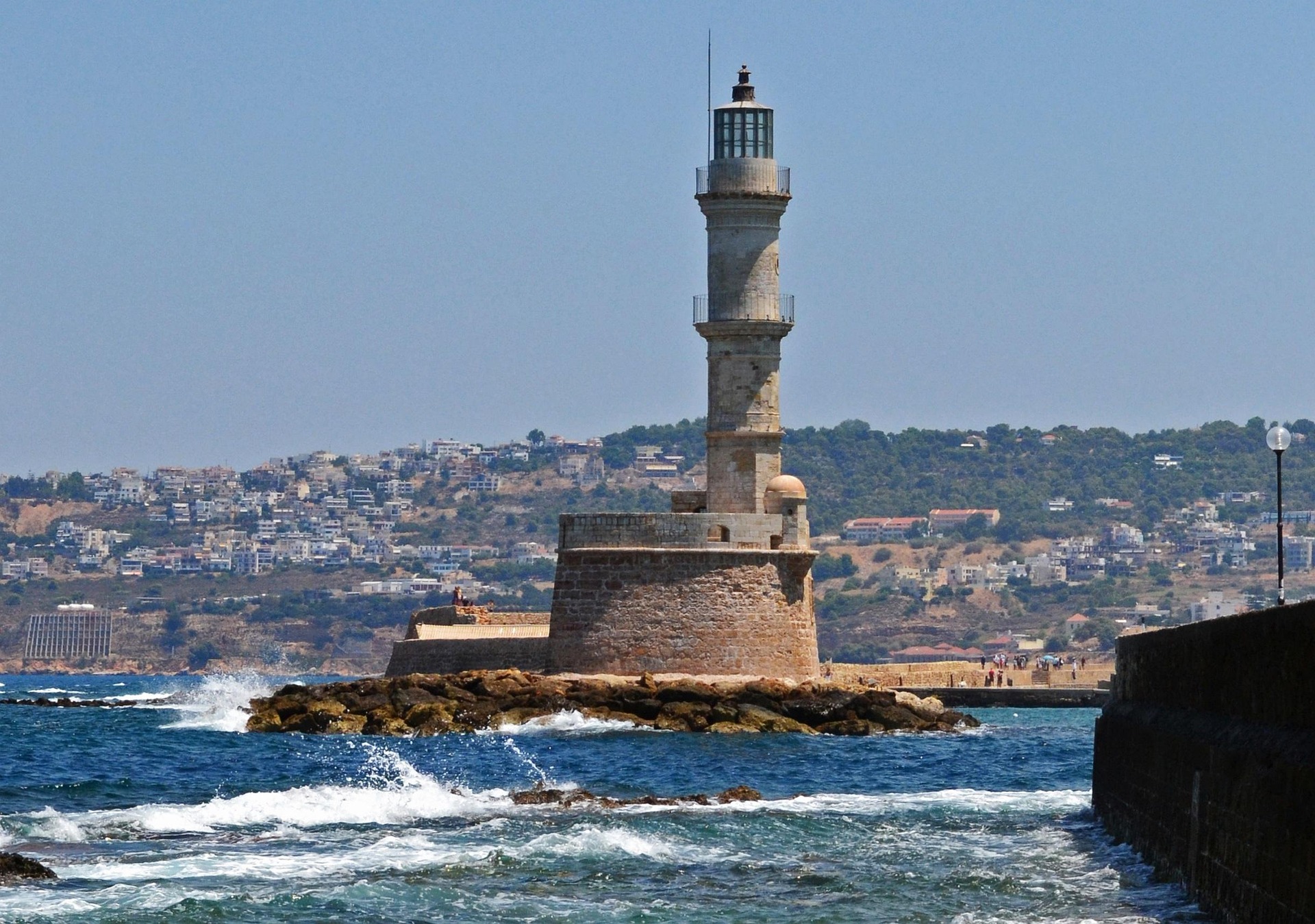
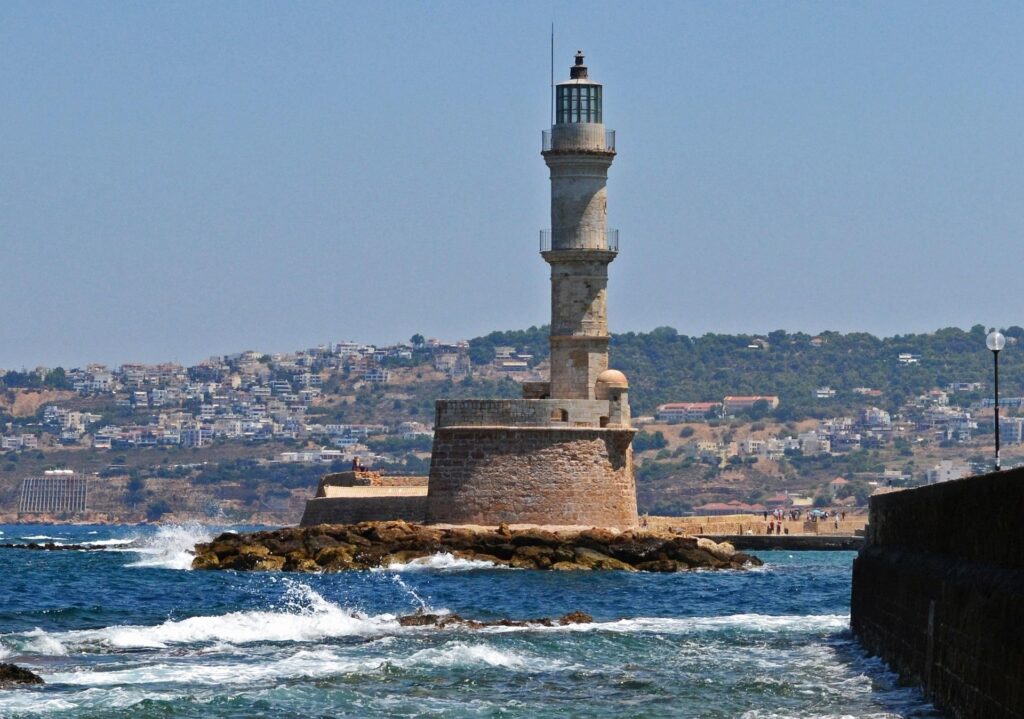
The harbour walk from the lighthouse around to the Venetian shipyards is about 20 minutes end to end. Do it slowly. The lighthouse at the western entrance to the harbour dates from the 16th century, rebuilt in the early 19th century after the Ottoman period. Stand at the base on a winter morning with the White Mountains behind the city. That view costs nothing.
Within the Old Town there are little themed streets and pockets to discover, including an old Jewish district, a Muslim area, leather alley, jewellery shop row, cafes, pottery shops, and other corners. The Jewish quarter, called Evraiki, is particularly quiet in winter. The leather street (Skridlof Street) has workshops that open year-round and sell goods to a local clientele, not just passing tourists.
Hiking in the Chania Region
Winter is an underrated season for hiking around Chania. Not inside the high White Mountains, where trails above 1,500 metres are snow-covered and serious. But the lower gorges and coastal paths are perfectly walkable from November through March, often on sunny days with nobody else around.
Located in southern Crete near the villages of Imbros and Chora Sfakion, Imbros Gorge is one of the island’s most accessible natural landmarks. Just 55km from Chania, this gorge stretches for approximately 8km and is often regarded as the second most famous gorge in Crete, after Samaria. Unlike Samaria, Imbros Gorge is typically open throughout the year. In winter, after rain, the gorge walls run with water and the rocks turn dark. It is not the same place you see in summer photographs.
The Katholiko Gorge is located on the Akrotiri Peninsula near Chania. To access it, hikers follow the pilgrimage path connecting Gouverneto Monastery with Arkoudospilio Cave and Katholiko Monastery. From the ruins of Katholiko Monastery, a narrow path descends to the bed of the gorge. An unbelievably scenic trail winds along the rocky gorge bed between towering limestone walls to reach Katholiko Bay, a slender turquoise inlet. This walk is 30 minutes from the city. In winter you may have it entirely to yourself.
Warning: After heavy rain, gorge trails can have standing water, slippery rock, and the occasional short flood section. Imbros and Katholiko gorge trails can become dangerous in active rainfall or immediately after storms. Check conditions before setting out, especially December through February. Wear proper trail shoes, not trainers.
The Akrotiri Peninsula to the east of Chania is outstanding for winter walks. Gentle coastal paths around Stavros, Marathi, and Tersanas connect small coves and headlands with almost no effort. The highest peaks of the White Mountains can have snow from November through May, making some high-altitude trails inaccessible during winter and early spring. Stick to the coast and lower valleys and you will have no problems.
Village Days Out
Winter is a perfect time to visit the traditional villages surrounding Chania, including Therisso, Drakona, Vamos, and Armeni. These traditional settlements offer a warm welcome, stone-built houses, and cosy tavernas where you can enjoy authentic Cretan cuisine by the fireplace.
Therisso is 15 kilometres south of Chania, up through a small gorge in the foothills of the White Mountains. The village has a handful of old tavernas that are open year-round, serving slow-cooked lamb and local wine to the farmers and hunters who come in from the surrounding hills. You will not find an English menu. You will find excellent food.
Omalos is located 38km south of Chania at an altitude ranging from 1,040 to 1,250 metres, surrounded by the high peaks of the White Mountains. The plateau is particularly beautiful in the winter, when it is frequently covered by snow. Drive up on a clear day after snow has fallen. The road is well maintained, though check conditions before making the trip. Take chains if you have them.
Food in Winter
Chania’s gastronomy shines in every season. In winter, you can savour local dishes such as lamb with stamnagathi (wild greens) and snails. While some restaurants in touristy areas may close for the season, many authentic tavernas remain open year-round, especially those frequented by locals.
This is a real advantage of winter. The restaurants you find open are not the ones chasing tourist money. They have local customers who demand quality and value. Stamnagathi, the bitter wild green unique to Crete, is harvested in winter. It pairs with olive oil and lemon in a way that is simple and impossible to stop eating. Snails braised in wine (chochlioi bourbouristi) appear on menus in the cold months. Slow-cooked goat. Fresh bread. Hearty food for a cool day.
Local tip: In the Splantzia neighbourhood, behind the harbour, a handful of small neighbourhood tavernas and mezedopolia (small plate restaurants) stay open all winter. The clientele is almost entirely local. These are not listed on travel sites. Walk around Daskalogiannis Square and look for places with handwritten menus and a TV showing football. Go for lunch on a weekday. Ask what they have that day. That is the winter version of eating in Chania.
The Olive Harvest
From November through December, visitors can participate in one of Crete’s most cherished traditions: the olive harvest. Some local tours allow travellers to join in olive-picking and learn how olive oil is produced, all while enjoying fresh air and hands-on experiences in the countryside.
This is one of the genuine reasons to come to Chania in November specifically. The hills around the villages of Malaxa, Vamos, and Drakona are covered in olive groves that have been worked by the same families for centuries. If you can arrange to join a harvest through a local contact or tour operator, it is a full day that you will not forget.
Christmas and New Year in Chania
In Chania, do not miss the Main Market Square with its Christmas lights and wooden houses offering Christmas specialties. In the port, close to the Mosque of the Janissaries, you can take a picture next to the Christmas karavaki, the small traditional boat that characterises Christmas in Greece.
Greek Christmas is quieter than what northern Europeans expect. It is a family celebration, not a nightlife event. The city does decorate, and the harbour looks beautiful with lights reflected in the water. New Year is celebrated with more noise. The restaurants that are open get busy. Book ahead.
The Chania Santa Run marathon is usually held on the 26th of December, when thousands of people dressed as Christmas elves or Santas take part in a huge solidarity marathon and then wander the streets of Chania until late. It is chaotic and good-natured and entirely Cretan in its organisation.
Frequently Asked Questions
Is Chania worth visiting in winter?
Yes. While Chania is well-known for its summer charm, it is also a captivating destination for winter holidays. With fewer crowds and a more serene atmosphere, the city assumes a unique character. Winter provides opportunities to explore local life without the hustle of the peak season. The trade-off is straightforward: better weather and beach access in summer; lower prices, authentic atmosphere, and genuine local life in winter.
What is the weather like in Chania in winter?
The winter months, from December to February, see average temperatures ranging from 10°C to 15°C (50°F to 59°F). Rain is more frequent, especially in January, which is the wettest month. Sunny days occur regularly throughout the winter, even in the deepest cold months. Snow at sea level is extremely rare. Wind can be strong, particularly on exposed coastal areas.
What is closed in Chania in winter?
Samaria Gorge is closed from November through April. Many of the tourist-facing restaurants along the harbour waterfront close, particularly from December to February. Some hotels in outlying beach resort areas close entirely. Boat trips to Balos and Elafonisi do not run in winter. Even on the robust island of Crete, some stores and restaurants were shut, transportation schedules truncated, and hiking routes closed in the coldest months. Plan for this. It is not a problem if you know about it in advance.
Can I fly directly to Chania in winter?
Daily non-stop flights connect Athens to Chania throughout the year. Most international flights to and from Chania are only available during the late spring and summer season. In brief, Chania Airport serves flights from Athens, Thessaloniki, and Paphos (Cyprus) throughout the year, while airplanes from other countries fly to Chania mainly from spring to autumn. For visitors from the UK, North America, and Northern Europe, the practical route in winter is to fly via Athens and connect to Chania. The Athens connection is fast, around 55 minutes, and runs multiple times daily year-round.
Is accommodation cheaper in winter?
Yes, significantly. Winter is considered the low season in Crete, which means more affordable accommodation options compared to the high demand and pricing of summer. The best boutique hotels and apartments in the Old Town are available in winter at a fraction of their July rates. Hotels that are open year-round will often include breakfast and flexible cancellation at prices that are difficult to match in any other season.
Is Chania better than other Cretan cities in winter?
Of the three main cities on Crete, Chania is the most pleasant in winter. It has the most character in its Old Town, the best selection of local restaurants, and is the best base for day trips to the western part of the island. Chania is the loveliest of the cities, even in winter. Heraklion has more open (it is the capital and largest city), but less atmosphere. Rethymno is somewhere in between.
The Honest Notes
The honest truth about Chania in winter is this: it requires more flexibility than a summer visit. You cannot rely on good weather every day. You cannot assume your favourite-looking restaurant is open. You will need a rental car for day trips because bus schedules thin out considerably in low season.
Warning: Accommodation in the Old Town can have heating problems in winter. Many of the beautiful Venetian stone buildings are ancient and not well-insulated. Ask specifically about heating before you book. A charming room in summer can be genuinely cold in January. Read recent winter reviews on booking platforms before committing.
Chania’s winter offers up to 60% savings on flights and accommodation compared to the July to August peak. That is a meaningful difference. The question is whether you are the kind of traveller who can handle a day of rain without feeling the trip is ruined. If you are, winter is excellent. If you need guaranteed sunshine and beach access every day, come in May or September instead.
Warning: The road to Omalos and the Samaria Gorge entrance can be icy or closed after snow. Never attempt this drive in winter without checking road conditions first. The E65 coastal highway is always fine; it is the mountain roads that can catch people out.
One more honest note. From November to March, many smaller establishments close for the season, but basic services continue. Winter visitors experience the most authentic local life and occasional rainy days mixed with surprising sunshine. That is a reasonable summary of what you will encounter.
Getting There
By air. The most practical winter route for most international visitors is to fly to Athens (ATH) and connect to Chania (CHQ). Daily non-stop flights connect Athens to Chania throughout the year, operated by Aegean Airlines (and sub-company Olympic Air) and Sky Express. The flight from Athens to Chania is about 55 minutes. Some direct flights from Northern European cities continue through November, particularly from Scandinavian destinations. Check before booking.
By ferry. Ferries run normally between Athens (Piraeus) and Chania year-round. The overnight ferry from Piraeus to Souda Bay takes approximately 8 to 9 hours, arriving in the morning. This is a genuine option for visitors coming from mainland Greece, or those who enjoy the ferry experience. The port of Souda is about 7 kilometres east of Chania town.
From the airport. The KTEL bus runs from the airport to Chania town centre. Taxis are available outside the terminal. In winter, a rental car is the most practical option for anything beyond the city itself.
Practical Information
| Winter season | November to March |
|---|---|
| Best months to visit | November, February, March |
| Wettest months | December and January |
| Average temp (Jan) | 11°C to 14°C |
| Average temp (Nov) | 14°C to 20°C |
| Flights to Chania | Year-round via Athens; limited direct international routes |
| Museum hours | Check individual websites; most closed Tuesdays |
| Samaria Gorge | Closed November through April |
| Imbros Gorge | Open year-round (conditions permitting) |
| Car rental | Recommended for day trips |
| Currency | Euro |
| Language | Greek (English widely understood in Chania) |
| Tipping | Not obligatory; 5 to 10% appreciated in restaurants |

Combine With
Therisso. Fifteen minutes south of Chania through the small Therisso Gorge. A handful of old tavernas serving grilled meat, local wine, and fireplace heat. The drive through the gorge alone is worth the trip. Go for Sunday lunch.
Imbros Gorge. About 55 kilometres from Chania, this is the best winter gorge walk on the island. Open year-round, manageable in 2 to 3 hours, suitable for most fitness levels. Combine with a drive through the Askifou Plateau and a stop at Chora Sfakion on the south coast.
Rethymno. An hour east along the north coast highway. Rethymno has its own excellent Old Town, a Venetian fortress, and a more student-influenced winter scene. Worth a full day trip. More things are open in winter than you might expect, given that it has a year-round local population.
Kissamos. 40 kilometres west of Chania, about 45 minutes by car. A working small town with a good local market and access to the Gramvousa Peninsula. In winter, the drive along the coast road to the west is wide open and the sea is dramatic. Kissamos has a small but authentic selection of year-round tavernas.
Local tip: If you are here in late February or early March, drive south to the Apokoronas region around Vamos and Gavalochori. The almond trees flower white along the roadsides and the hills are as green as they will ever be. The villages are quiet. The tavernas are cheap. It is Crete without any of the noise, and it is genuinely beautiful in a way that does not translate into photographs. You have to be there.