3 days in Chania is enough time to get a real sense of this city, not just photograph the harbour and leave. Most tourists spend their first afternoon wandering the old town, realise there is far more here than they expected, and wish they had booked longer. You will not fix that problem in three days, but you can cover the essential ground well if you plan it right.
This itinerary is built around how people actually move here. The beaches require a car. The old town does not. Some things are worth half a day. Others are worth twenty minutes and no more. This guide is honest about which is which.
One thing to understand before you start: Chania is not a place where you rush. The light changes slowly in the afternoon. Lunch turns into something longer than you planned. That is not a problem. That is the point.
| Base | Chania old town or Nea Chora |
|---|---|
| Days covered | 3 full days |
| Best season | May, June, September, October |
| Rental car needed? | Yes, for Day 2 and Day 3 |
| Family friendly? | Yes |
| Pace | Relaxed to moderate |
Day 1: The Old Town, The Harbour, and Getting Your Bearings
Do not try to do too much on the first day. You are arriving somewhere new. Walk slowly. Get lost. That is the correct approach.
Morning: The Old Town on Foot
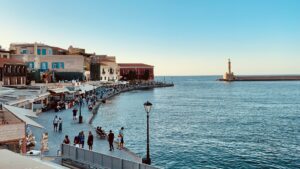
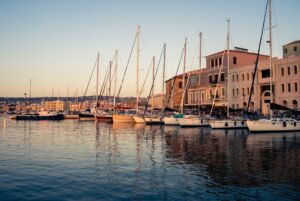
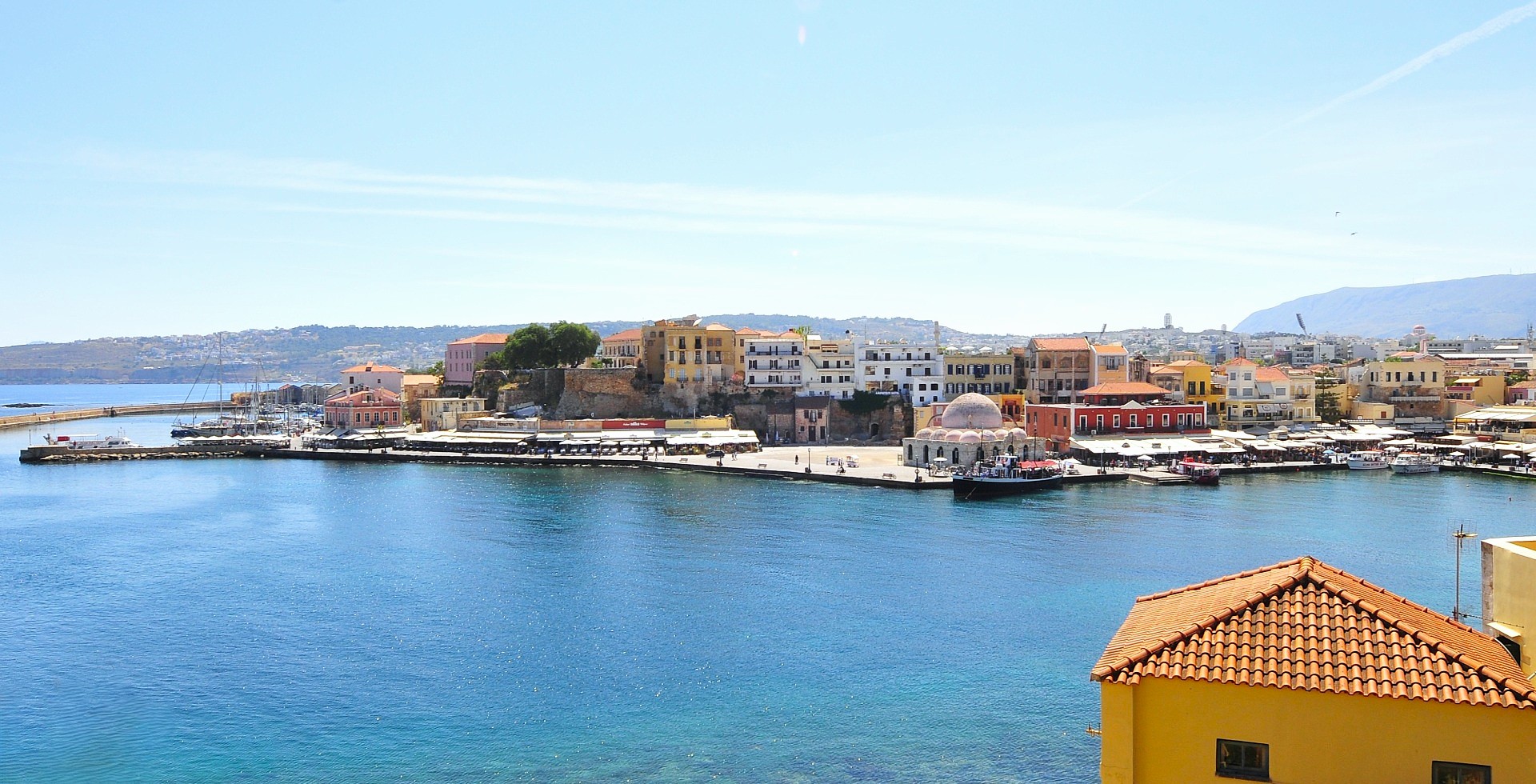
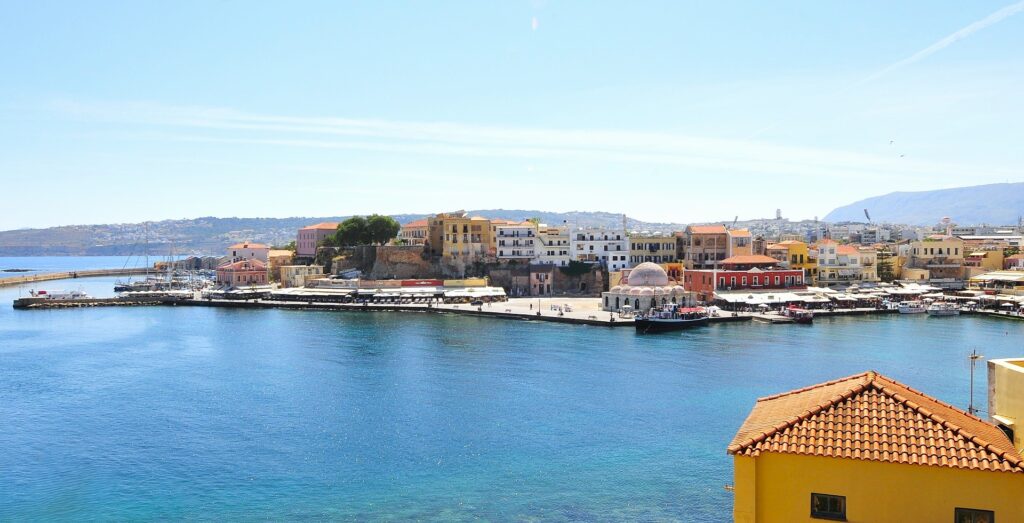
Start at the Venetian harbour. Come early, before 9am if you can. At that hour the harbour is quiet, the light is soft, and you can actually see the detail on the lighthouse without a crowd in front of it. The Venetian lighthouse is the most photographed thing in Chania, and yes, it earns that.
Walk along the outer harbour wall toward the lighthouse. It is a fifteen-minute walk each way and worth doing. From the end of the wall you get the full view back across the old town skyline, the mosques, the warehouses, the hills behind. Take the photo here, not from the main promenade.
From the harbour, head into the covered market. The Agora, built in 1911 in a cross-shaped layout modelled loosely on the market in Marseille, is still a working market in the mornings. You will find local honey, herbs, olives, cheese, and the kind of dried fruit and nuts that make excellent gifts. It gets busy after 10am. If you want to browse without being jostled, go before then.
Local tip: The lanes around Splantzia Square, about a ten-minute walk east of the harbour, are where locals actually live in the old town. Far quieter than the harbour area, genuinely beautiful architecture, and a couple of very good coffee places. Worth an hour of wandering.
Afternoon: The Archaeological Museum and Walls
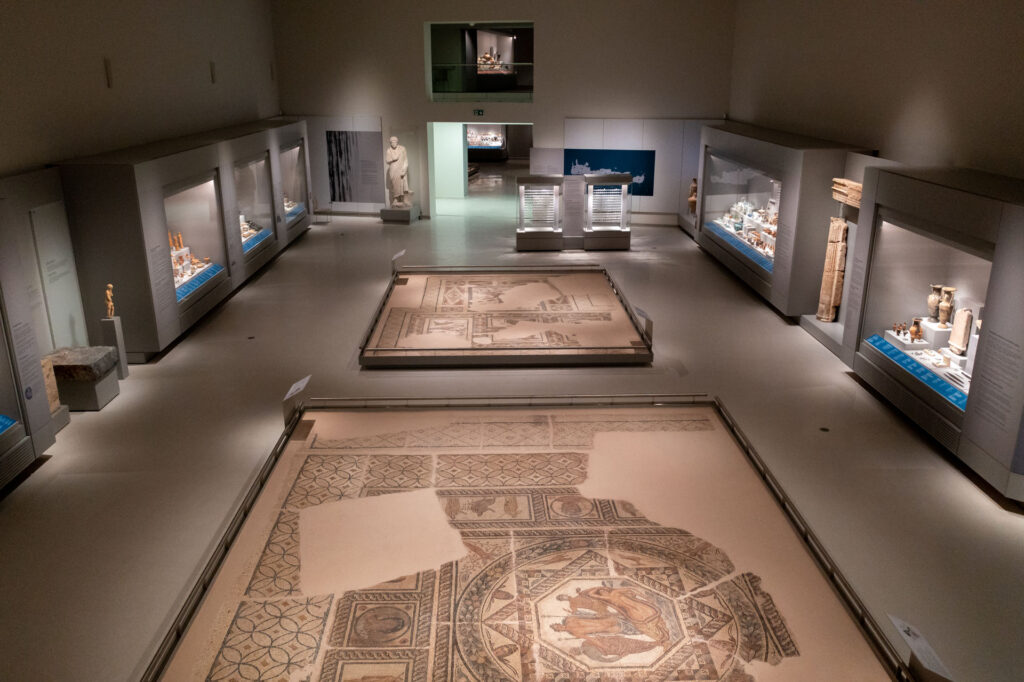
The Chania Archaeological Museum is housed in a converted Venetian church. It is not enormous, but the collection covers the full sweep of Cretan history from Neolithic through Minoan, Classical, and Roman periods. Budget ninety minutes. Check the official website for current entrance fees and opening hours before you go.
After the museum, walk the old Venetian walls. The fortifications run along the eastern edge of the old town. Parts are accessible on foot and give you a different perspective on the city, looking down into the tangle of lanes below.
Warning: The harbour restaurants directly on the waterfront charge significantly more than restaurants one or two streets back. The quality is often lower as well. Eat somewhere you have to look for.
Evening: Dinner in the Old Town
For dinner, avoid anything with laminated menus displayed outside showing photographs of the food. Walk toward Splantzia or the lanes behind Chalidon Street. The places without English menus in the windows are often the better ones. Grilled fish, local wine, no rush. That is your evening sorted.
Day 2: West Coast and the 3 Days in Chania Highlight, Elafonisi or Falassarna
Day 2 is your big beach day. This requires a car. There is no way around it.
The two best beaches in western Crete are Elafonisi and Falassarna. They are in different directions from Chania and you cannot do both properly in one day. Choose one.
Elafonisi: The Pink Sand Lagoon
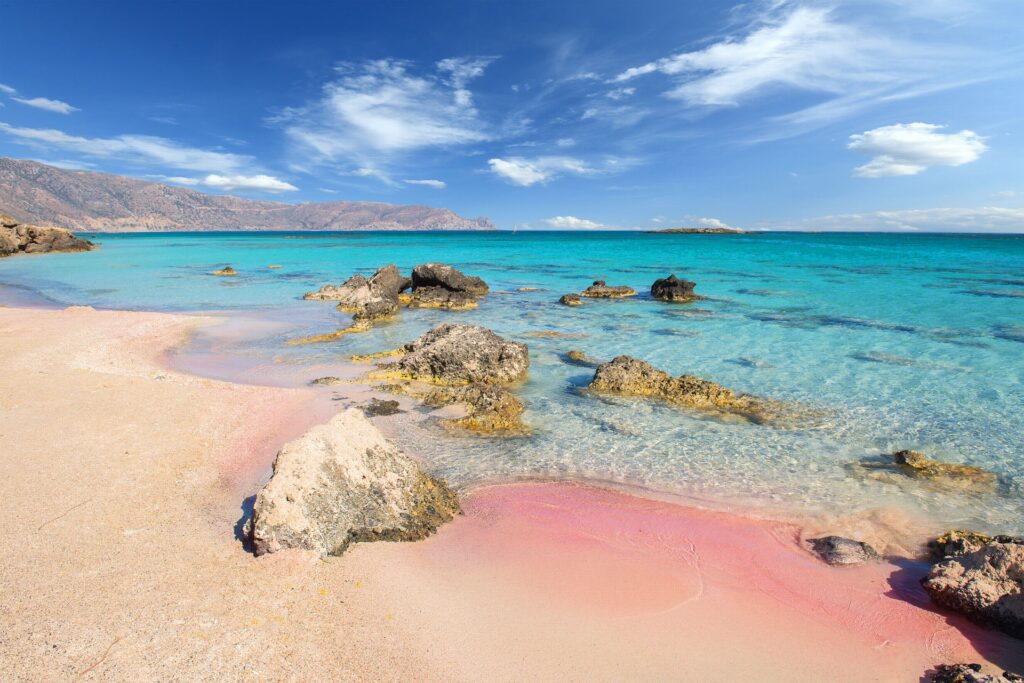
Elafonisi is about 75 kilometres southwest of Chania, roughly 90 minutes by car. The beach sits at the tip of a small peninsula and is technically a small island accessible by wading across a shallow lagoon. The sand has a faint pink tint from crushed shells, more visible in certain light conditions. The water is shallow, warm, and genuinely one of the most beautiful colours you will find anywhere in the Mediterranean.
The problem with Elafonisi is that it is very popular. In July and August it is crowded. Come in late May, June, or September and you will have a different experience entirely. If you are going in summer, arrive by 9am. By 11am the car park is full and the beach is packed.
Local tip: Most people park in the main car park and head straight to the closest part of the beach. Walk fifteen minutes further south along the peninsula. The beach continues and the crowds thin considerably. The water is the same colour. The space is entirely different.
Falassarna: For Those Who Want Space
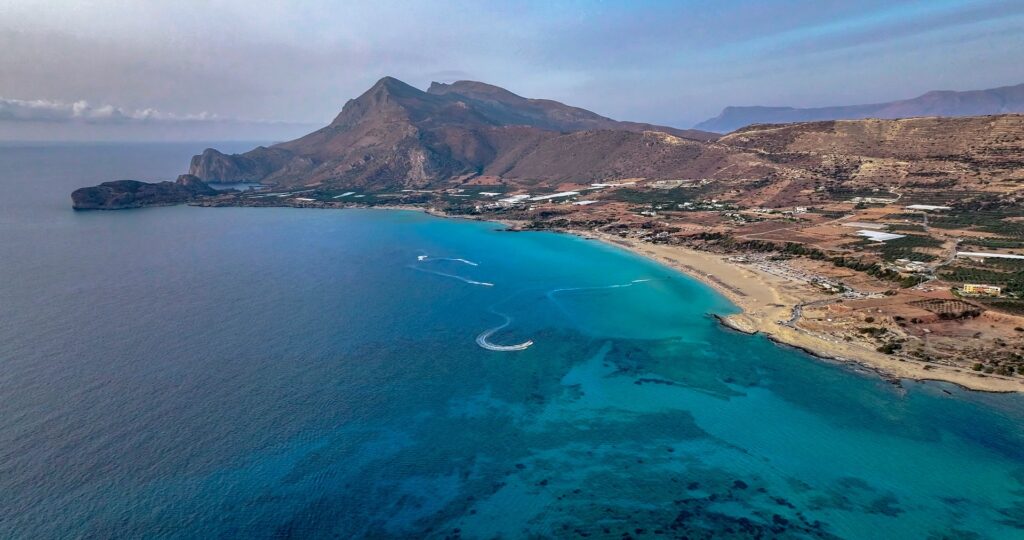
Falassarna is 59 kilometres west of Chania, about an hour by car. It is a long, wide beach of coarse golden sand on the northwest tip of the island. Because it faces west, it catches afternoon sun better than most beaches. It also gets afternoon wind, which surfers appreciate and sunbathers do not always love.
Falassarna is quieter than Elafonisi and the approach road is simpler. The beach is big enough that you can always find space. At the northern end there are ancient ruins worth a brief visit.
Warning: The road to Elafonisi passes through mountain terrain and the final section involves significant drops with no barriers in places. Drive carefully. It is not a road to rush on.
On the way back from either beach, stop in Kissamos for an early dinner. It is a real working town, not a tourist resort, and the seafood tavernas along the harbour front are honest and good. The kind of place where the owner probably caught some of what is on the menu.
Day 3: Balos, Akrotiri, or the Gorge
Day 3 depends on what you have not seen yet and what kind of day you want.
Option A: Balos Lagoon
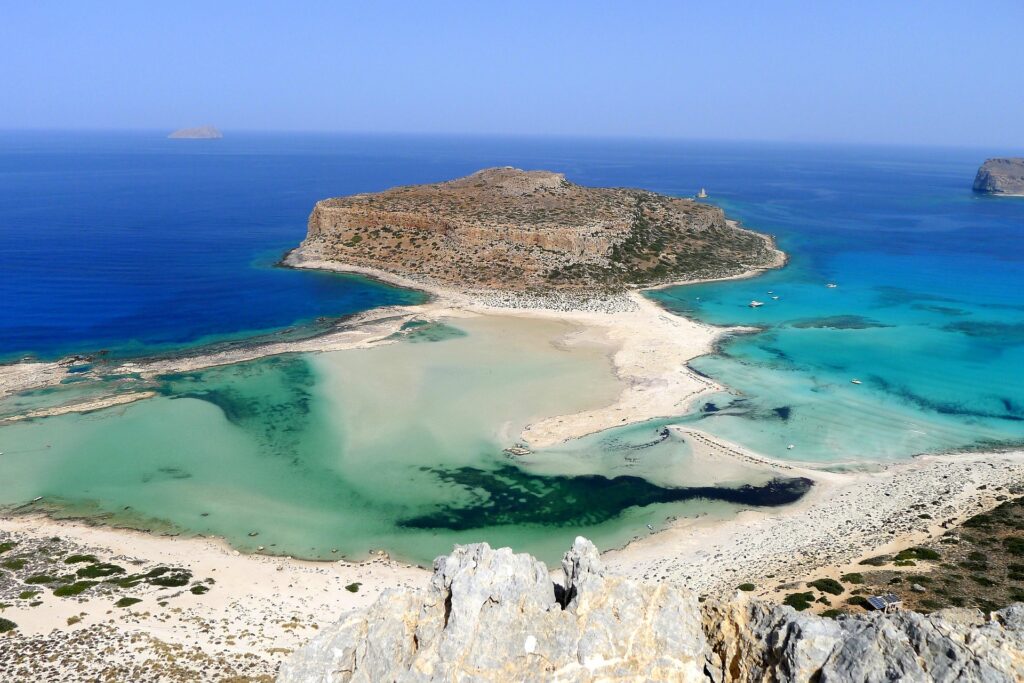
Balos is the photograph that appears on half the postcards of Crete. The shallow turquoise lagoon, the white sandbar, the island of Gramvousa in the distance. It is as close to a Caribbean beach as you will find in the Mediterranean.
Getting there has two options. You can drive the rough 9-kilometre unpaved road from the village of Kaliviani, which requires a high-clearance vehicle or an SUV and takes about 25 minutes of careful driving. Or you can take the ferry from Kissamos port, which takes about an hour and includes views of the coastline approaching from the sea, which is genuinely worthwhile.
Local tip: If you drive to Balos, there is a 20-minute hike down from the cliff-top car park to the beach. It is not difficult but it is steep coming back up in the afternoon heat. Many visitors underestimate this. Wear proper shoes, not sandals.
Option B: Akrotiri Peninsula (Half Day)
If you want a slower morning, the Akrotiri Peninsula is 15 to 20 minutes from Chania town and offers several things in a compact area. Gouverneto Monastery is the oldest active monastery in Crete, built in 1537. Below it, a 15-minute walk down through the gorge, is the Katholiko Monastery, partly built into cave systems and partly ruined, situated above a sea inlet. The walk takes about an hour round trip from Gouverneto and gives you a completely different sense of Crete than beach days provide.
Warning: Most monasteries in Crete are closed on Wednesdays and Fridays. Check before you drive out. Dress modestly. Shoulders and knees covered. This is an active religious site, not a ruin.
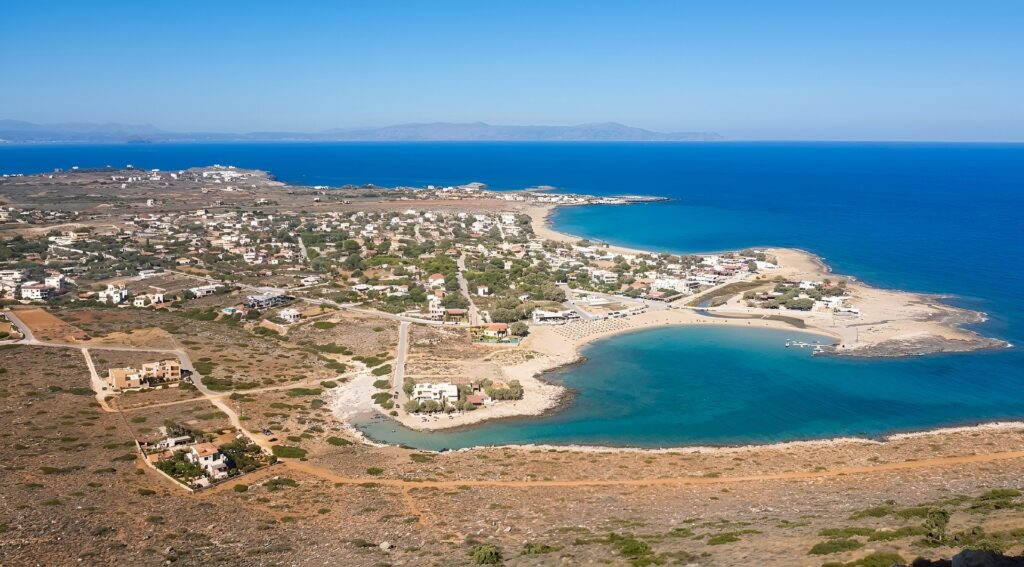
Stavros beach, also on the Akrotiri Peninsula, is where the final scene of Zorba the Greek was filmed. The circular bay is unusually calm. Good for families with young children.
Option C: Imbros Gorge
Samaria Gorge is the famous one, and it deserves its reputation. But it is also 16 kilometres, takes a full day, and requires arranging transport both ways in advance. Imbros Gorge is a better option for a three-day trip when you want a gorge experience without losing the whole day.
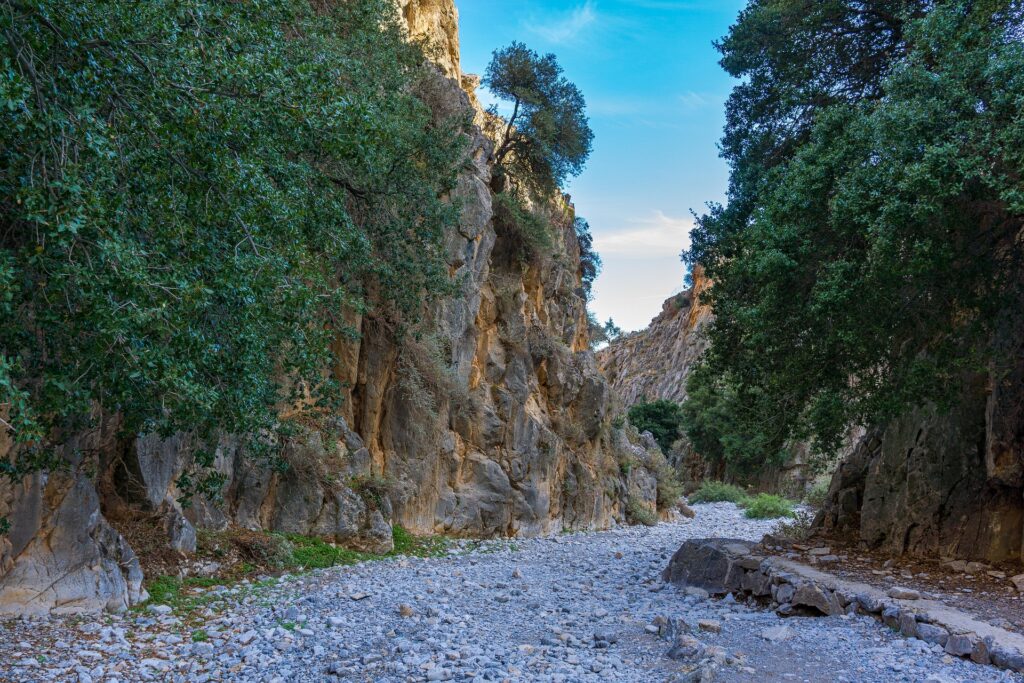
Imbros is about 8 kilometres, takes 2.5 to 3 hours, and is manageable as a half-day excursion. It is a one-way walk from the village of Imbros down to Komitades. The scenery is genuinely dramatic in the narrowest sections, where the walls close to less than two metres apart. It is not Samaria. But it is good.
Frequently Asked Questions
Is three days enough for Chania?
Three days is enough to see the essential highlights and get a proper feel for the city and region. You will not exhaust it. Most people leave wishing they had a fourth or fifth day. If you can extend to four days, you can add Samaria Gorge or explore the Sfakia coast properly.
Do I need a rental car for 3 days in Chania?
You need a car for Day 2 and Day 3. The old town is entirely walkable and you do not need a car on Day 1. But the beaches and gorges require driving. Buses do serve some destinations but the timings are inflexible and the connections can be poor. A rental car gives you genuine freedom.
What is the best base for a 3 day itinerary in Chania?
The old town is the most atmospheric place to stay and puts you within walking distance of everything on Day 1. For people who prefer more space or a beach nearby, Nea Chora is a ten-minute walk from the harbour and feels less touristy. Avoid basing yourself in Platanias or Agia Marina if you want to explore the old town properly. They are resort areas and the drive in and out adds time.
When is the best time to visit Chania for three days?
May, June, September, and October are the best months. The weather is warm and sunny, the beaches are good, and the crowds are significantly thinner than in July and August. August in particular is very crowded and very hot. If you are visiting in peak summer, adjust expectations accordingly and plan beach arrivals early.
Can I do the Samaria Gorge on a 3 day visit?
You can, but it will take up most of one day. Samaria opens on 1 May and closes at the end of October. The walk is 16 kilometres, takes 4 to 6 hours, and requires arranged transport both ways. If the gorge is your priority, slot it into Day 3 and plan it carefully. If you have not walked a gorge before and want a taster, Imbros is a better fit for a three-day schedule.
Is Chania suitable for families with young children?
Yes. The old town is very family-friendly. The beaches are generally calm and safe. Elafonisi’s shallow lagoon in particular is ideal for young children. The gorge walks are less suitable for small children, though Imbros can be managed with older kids who are comfortable walking several hours.
The Honest Notes
Warning: Parking in the old town is genuinely difficult. If you have a rental car, find accommodation with parking or use one of the car parks on the edge of the old town. Do not try to drive into the lanes of the old town itself. The streets are too narrow and the one-way system is confusing.
Warning: July and August are genuinely very busy. Roads to popular beaches can have queues at peak times. The harbour area in the evening is extremely crowded. This does not make Chania bad, but it changes the experience significantly. Anyone who can come in June or September should.
Warning: There is no Uber or Bolt in Chania. Taxis exist but are not abundant. For Day 2 and Day 3 you genuinely need a rental car unless you are booking organised tours for each destination. Do not assume you can organise local transport spontaneously for beach trips.
Before You Go
- Car: book in advance, especially for June through September. Prices rise sharply if you leave it until arrival.
- Cash: many small tavernas and car parks are cash only. Have euros on you.
- Water: carry at least 1.5 litres per person on any beach or gorge day. Buying water on site costs more and you may run short.
- Sun: shade is limited on most beaches and gorge walks. Hat, sunscreen, and a light cover-up are not optional in summer.
- Monastery visits: check closing days before you drive out. Most are closed Wednesday and Friday afternoons.
- Insurance: check your travel insurance covers activities like gorge walking before you go.
Getting There
Chania is served by Chania International Airport (CHQ), located on the Akrotiri Peninsula about 15 kilometres from the city centre. Most Northern and Western European cities have direct seasonal flights from April through October.
From the airport, a taxi to the old town takes about 20 to 25 minutes. There is also a bus service from the airport to the central bus station (KTEL) in Chania town. Check current timetables on arrival as the schedule varies by season.
If you are renting a car, picking it up at the airport is the most practical option. The rental car desks are in the arrivals hall. Booking in advance online almost always gets you a better price than walking up on the day.

For those who prefer organised transport for Day 2 or Day 3 excursions, there are several well-run tour operators based in Chania offering day trips to Elafonisi, Balos, and the gorges. This removes the need to drive unfamiliar mountain roads.
Practical Information
| Best months | May, June, September, October |
|---|---|
| Airport | Chania International (CHQ), 15km from city centre |
| Car rental | Essential for Days 2 and 3 |
| Taxis | Available but no app-based services |
| Language | Greek, English widely spoken in tourist areas |
| Currency | Euro. Cash still useful for small tavernas and parking |
| Tipping | Not mandatory. Rounding up the bill is standard |
| Samaria Gorge season | 1 May to end of October |
| Monastery closing days | Usually Wednesday and Friday |
| Useful website | Visit Crete official tourism site for entrance fee updates |
Combine With
Three days in Chania can be extended naturally in several directions.
Sfakia and the South Coast. The drive from Chania to Sfakia takes about 80 minutes through the White Mountains. The south coast has a completely different character from the north: fewer tourists, smaller fishing villages, excellent seafood, and a feeling of genuine remoteness. Loutro is accessible only by boat or on foot. It is worth a night.
Rethymno. About 60 kilometres east of Chania, Rethymno has a Venetian old town that rivals Chania’s and gets fewer visitors. An easy day trip or a logical extension if you are travelling east toward Heraklion.
Lake Kournas. Crete’s only freshwater lake, about 45 kilometres east of Chania near Georgioupolis. Calm, unusual, and easy to combine with a stop at Georgioupolis beach on the same day.
The Apokoronas Villages. The hill villages of Apokoronas, east of Chania, are where a lot of expats have settled and where traditional Cretan village life is still genuinely visible. Vamos, Gavalochori, and Kalyves are all worth an afternoon.
Local tip: On your last evening, skip the harbour restaurants and walk to Koum Kapi, the small neighbourhood just east of the old town where the sea wall meets a row of local fish tavernas. It is ten minutes from the Venetian harbour and feels like a different Chania entirely. Order whatever came in that morning. Eat slowly. The sun goes down behind you over the old town. That is the right way to end a three-day visit.