Ten days in Chania is enough time to understand why people come here once and end up coming back every year. This is not just a beach destination. It is an old Venetian city with mountains behind it, wild gorges to its south, and some of the most dramatic coastline in the Mediterranean within an hour’s drive in any direction. Ten days gives you the space to do it properly. Not rushed, not crammed, not ticking boxes.
This itinerary is built around staying in the Chania area for all ten nights. That is the right call. The region is large enough that you will not run out of things to do, and basing yourself here means no time wasted moving between hotels. It assumes you have a rental car from day two onwards. Without one, roughly half of what is on this list becomes either impossible or very difficult.
A word on timing. If you are coming in July or August, everything here is still doable. But beaches fill by 9am, Samaria Gorge gets extremely hot, and parking at popular spots becomes a daily frustration. May, June, September and October are the better months. The sea is warm enough, the crowds are thinner, and the light in the mornings is worth getting up for.
| Base | Chania Old Town or wider Chania region |
|---|---|
| Duration | 10 days / 9 nights |
| Best season | May, June, September, October |
| Rental car needed? | Yes, strongly recommended from Day 2 |
| Fitness required? | Moderate (one full hiking day) |
| Family friendly? | Yes, with some days adapted for children |
| Budget level | Flexible, suits most budgets |
10 Days in Chania: Day by Day
Day 1 — Arrive and Walk the Old Town
Arrive, check in, and do nothing ambitious. That is the plan for day one.
If you have flown into Chania International Airport (CHQ), you are about 15km east of the city. A taxi takes around 20 minutes. The airport bus also runs, but with luggage and after a long travel day, a taxi or pre-booked transfer is easier.
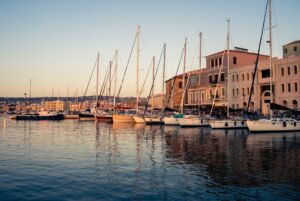
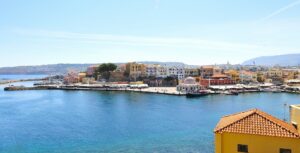
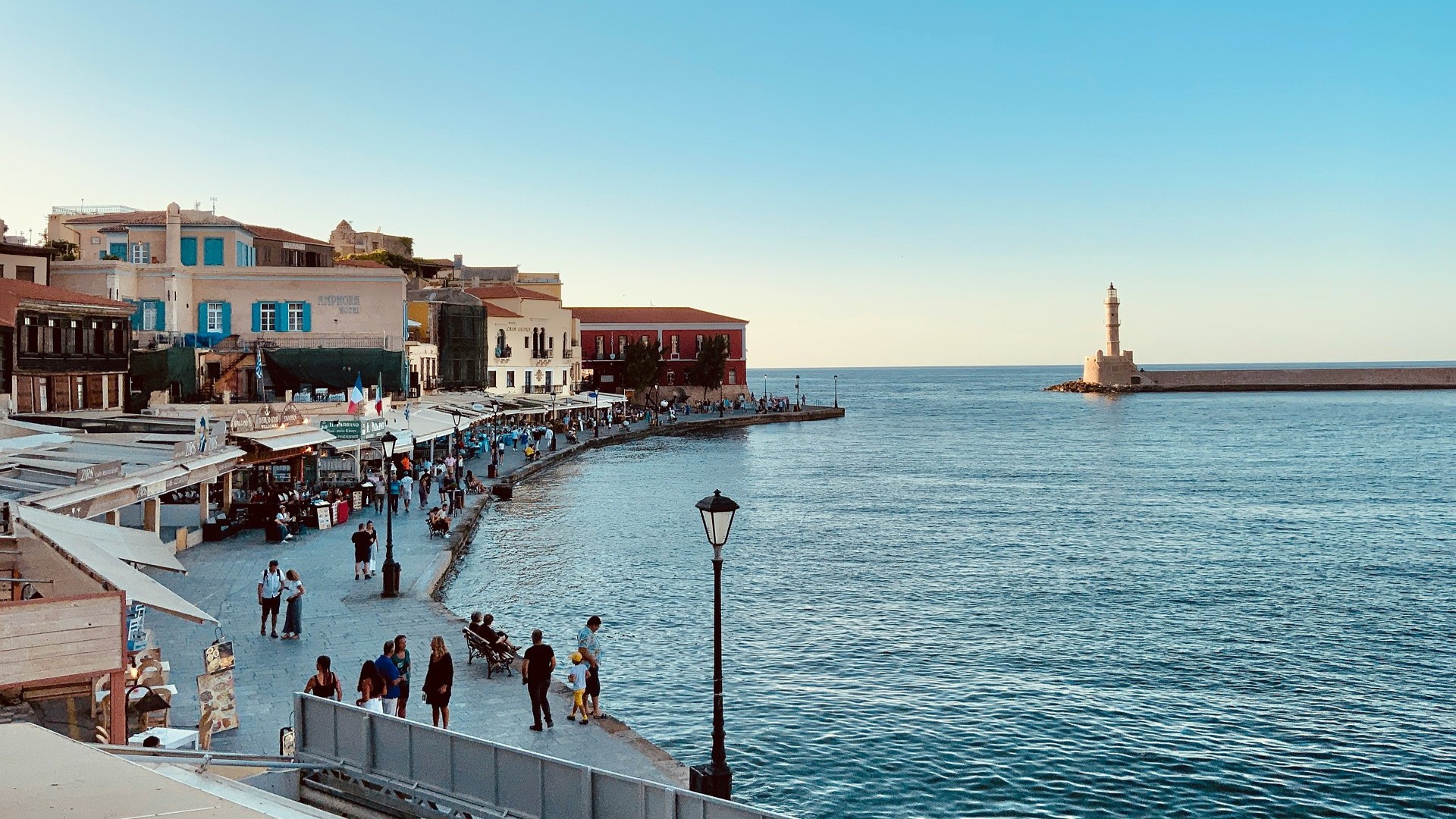
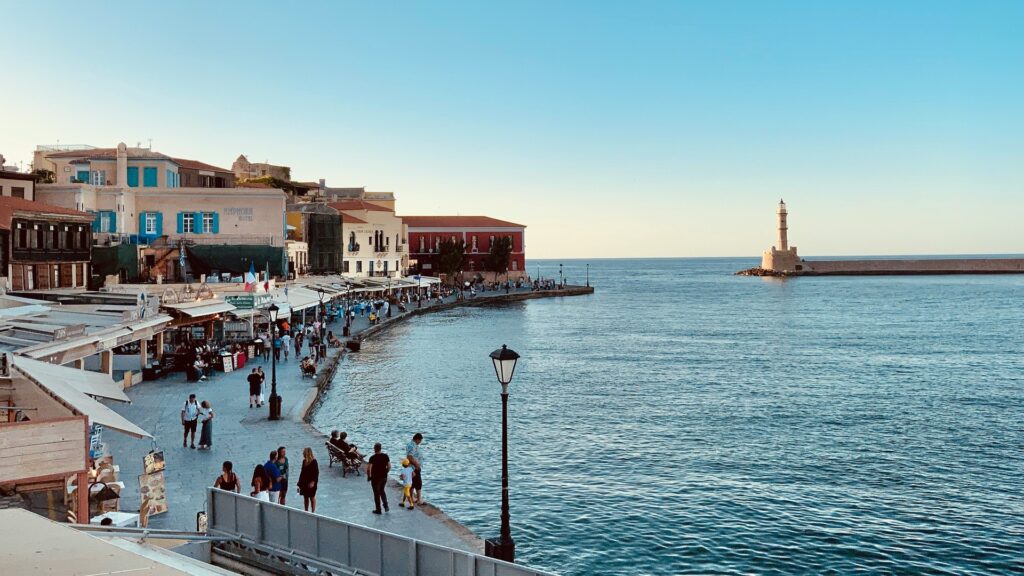
After checking into your accommodation, dedicate the rest of your day to exploring the narrow lanes of the Old Town and the Venetian Harbor. The harbour is the obvious starting point. Walk the full length of the promenade, out along the breakwater to the lighthouse, and back. It takes 30 minutes at a stroll. Do it at dusk when the light changes and the whole thing looks like something out of a different century.
Do not miss the quiet charm of the Jewish Quarter, known as Evraiki. And Splantzia Square offers a more local, authentic feel, where old men play backgammon in the shade and families gather in the evenings. Eat dinner in the backstreets rather than on the harbour front. The waterfront restaurants are fine, but the places two streets back are cheaper and the food is often better.
Open since 1924, Bougatsa Iordanis is one option for morning pastry. Bougatsa Chania, just south, is simpler and worth trying. At either venue, enjoy your pastry with a coffee, but do not expect the day’s output to last past 2pm. File that away for tomorrow morning.
Local tip: The first evening, skip the harbour restaurants and find Splantzia Square instead. Sit under the plane tree. Order a raki and whatever the kitchen has. Watch how the neighbourhood operates at 9pm. This is Chania at its most real.
Day 2 — Akrotiri Peninsula: Seitan Limania, Gouverneto, Marathi
Pick up your rental car on day two. This is when the trip really begins.
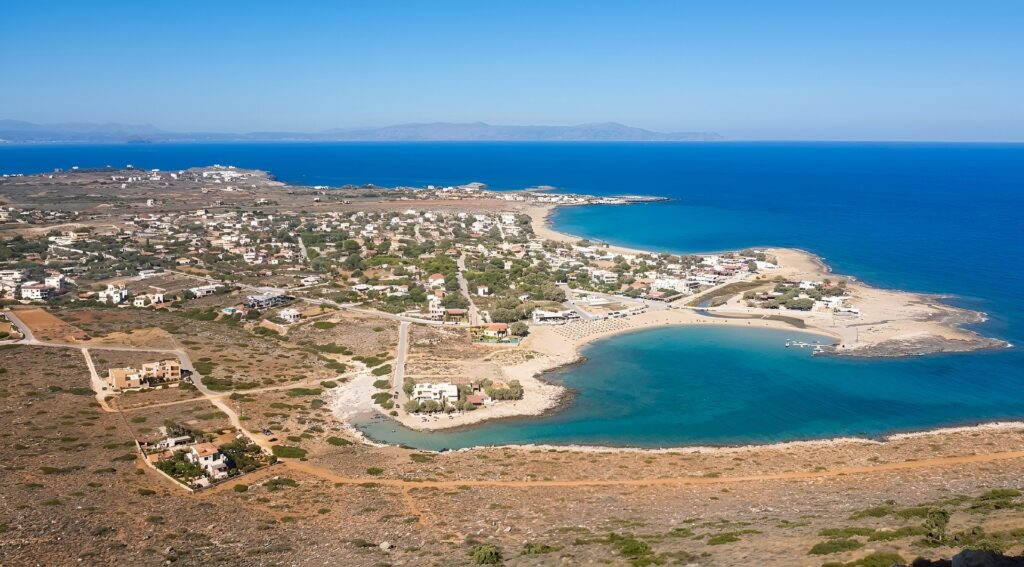
The Akrotiri Peninsula is a 20-minute drive from Chania and most visitors barely scratch its surface. Start at Gouverneto Monastery in the morning, before the heat builds. From there, a walking path leads down through Katholiko Gorge to the ruins of the abandoned Katholiko Monastery and a sea cave. Allow 90 minutes for the round trip.
I would also recommend visiting the ruins of the monastery of Katholiko, which are magnificent. They sit in a deep gorge above a cove, completely deserted and largely unchanged for centuries. The route back up is steep. Bring water.
After, drive to Seitan Limania. Cradled between rugged cliffs, Seitan Limania is a striking S-shaped inlet where turquoise waters brush against white rock. The dramatic contrast of colours and wild beauty has earned it a reputation as one of the most striking beaches in Crete. The descent to the beach is steep and crosses very rugged and loose rocky terrain. Sturdy shoes are essential.
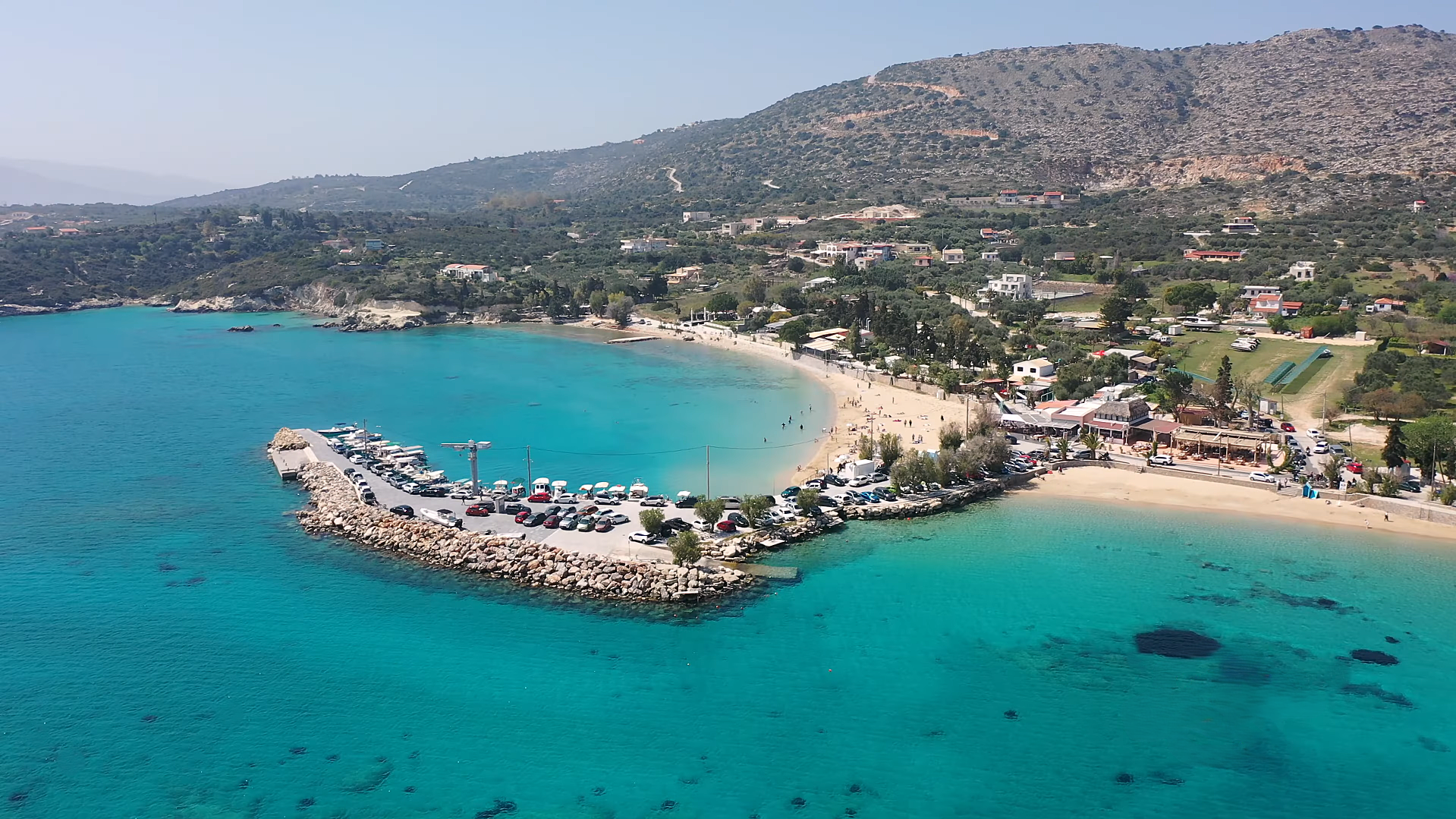
End the day at Marathi Beach on the eastern side of the peninsula. It is completely different in character. Marathi Beach overlooks the blue waters of Souda Bay and the White Mountains of Chania. The beach is well sheltered, meaning the waters are waveless and calm. Traditional tavernas near the sand serve fresh fish. Have a late lunch here. This is a very good spot to eat.
Warning: Most rental car companies do not allow their vehicles on the rough unmade road to Balos Beach. The same applies to a few other tracks in this region. Check your rental agreement before heading off-road. This is seriously enforced and damage to the underside of the car on an excluded road will not be covered.
Day 3 — Samaria Gorge
This is the big hiking day. Build the itinerary around it while your legs are still fresh.
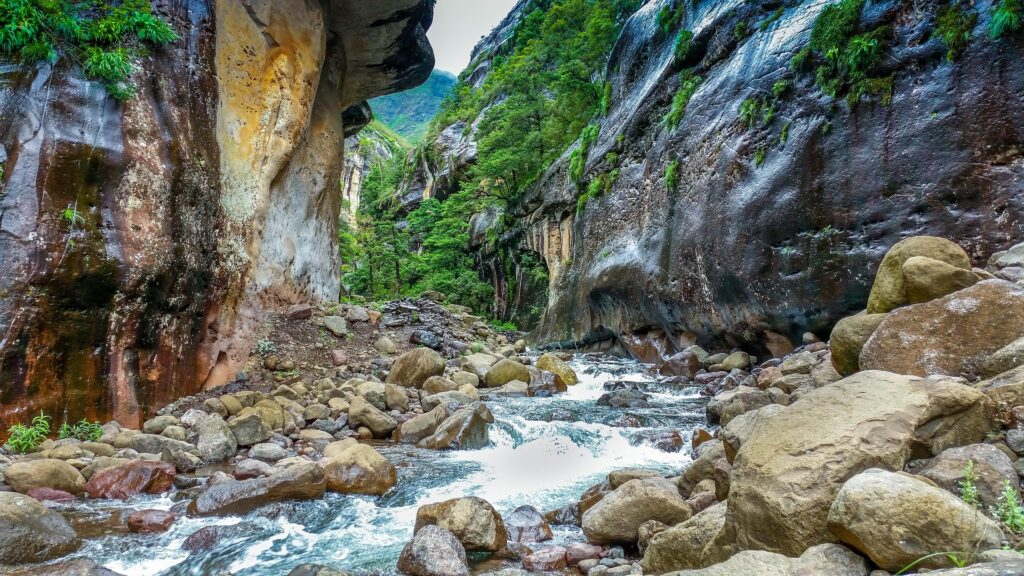
The 16km canyon runs from a plateau beneath the White Mountains all the way to the Libyan Sea. It is the longest gorge in Greece and forms part of the E4 hiking trail that traverses Europe. The hike is one-way, downhill from north to south. You start at Xyloskalo in the Omalos plateau and finish at the coastal village of Agia Roumeli. From there, you take a ferry to Hora Sfakion and a bus back to Chania.
The full route typically takes 4 to 7 hours. The hike starts at an altitude of about 1,250m at the northern entrance and takes you all the way down to the shores of the Libyan Sea in Agia Roumeli.
The gorge of Samaria will be open from the 19th of May in 2026. It generally runs from 1 May to 31 October. Admission is €10 per adult and free for kids under 18 and seniors aged 65 and over, as of March 2026. Tickets can be bought at the entrance or online in advance.
The first tourist buses arrive at around 7:30am and from then on it is an uninterrupted stream of buses until about 10:30 or 11am. Get there before them. The KTEL bus from Chania runs early and takes about an hour to Xyloskalo.
Warning: The Samaria Gorge is a long day. The hike, the ferry, and the bus back to Chania will take 10 to 12 hours in total. Do not plan anything for the evening. Eat well at Agia Roumeli while you wait for the ferry, swim in the Libyan Sea, and rest. You will have earned it.
The gorge has a climax. It is called the Iron Gates, or Portes. The canyon narrows to just 3 metres and the walls soar more than 100 metres above you. Stop here. Look up. Everything else falls away.
Day 4 — Rest Day: Chania City, Market, Archaeological Museum
Day four is deliberately calm. Your legs will be grateful.
The Municipal Market (Dimotiki Agora) is a must-visit and a great place to get a real taste of Crete’s food traditions. It is the beating heart of Chania, visited by tourists and locals alike. Spend a morning here. Buy olives, local cheese, Cretan mountain tea, and a bottle of honey. Everything is good.
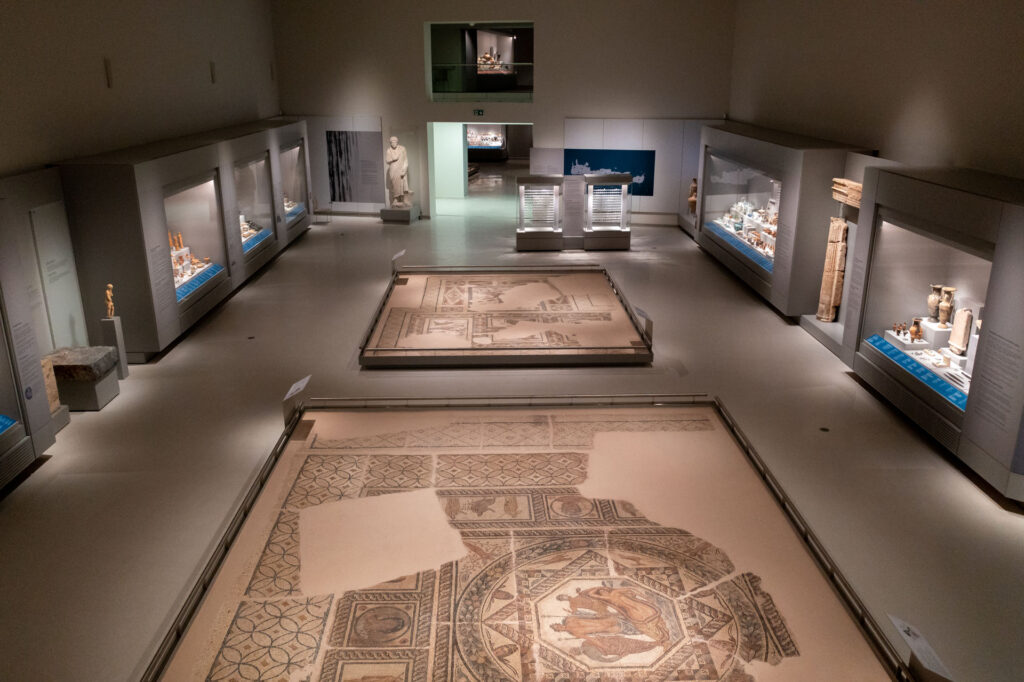
After the market, walk to the Archaeological Museum of Chania, housed in the former Venetian church of San Francesco. The artifacts from across Crete on display in two light-filled galleries are genuinely impressive. Beautiful pieces from Neolithic to Roman times fill the main floor, with Roman mosaics that are remarkable in their detail. Other highlights include Late Minoan clay baths used as coffins and an entire herd of clay bulls used in the worship of Poseidon. Allow 90 minutes.
In the afternoon, walk the Venetian walls. The Byzantine Empire started encircling the city with a wall in the 7th century. It was modified several times before ultimately falling into ruins. But long stretches still cut through Old Town. You can trace sections of it on foot. It is not well-signposted. That is part of the appeal.
Local tip: For dinner on a rest day, look for the tavernas around Splantzia and the streets behind the market rather than the harbour waterfront. Chrisostomos on the harbour is an honest option if you want to stay central, but the places the locals actually fill up are further in.
Day 5 — Falassarna Beach
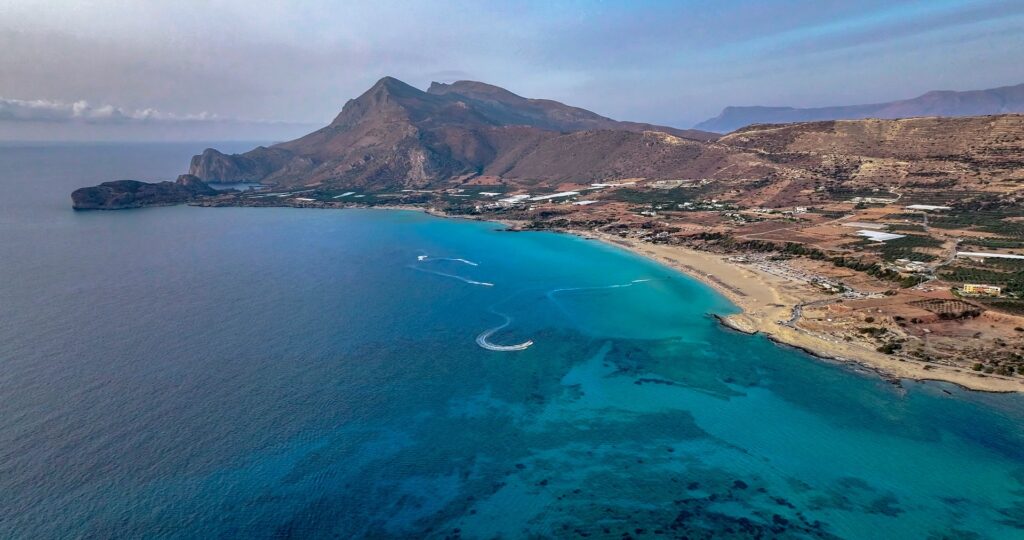
Falassarna is about 60km west of Chania, roughly an hour’s drive. It is a long beach. Wide, sandy, with clear water and reliably good waves in the afternoons. It also has the benefit of facing west, which means some of the best sunset light on the island.
The beach has parking, sunbed hire, a few tavernas, and basic facilities. It is organised without being overrun, except in peak August. Go early if you are visiting in summer. By 10am in July the car park is full and the sand is occupied.
North of the main beach are the ruins of ancient Phalasarna, a Minoan-era city. The ruins are modest but the setting is extraordinary, on a raised terrace above the sea. Worth 30 minutes of your time before you set up on the beach for the afternoon.
Local tip: The drive to Falassarna passes through the Topolia Gorge, a smaller and far less visited canyon than Samaria. Stop at the Agia Sofia cave chapel cut into the cliff face above the road. Easy to miss. Very much worth the stop.
Day 6 — Balos and Gramvousa by Boat from Kissamos
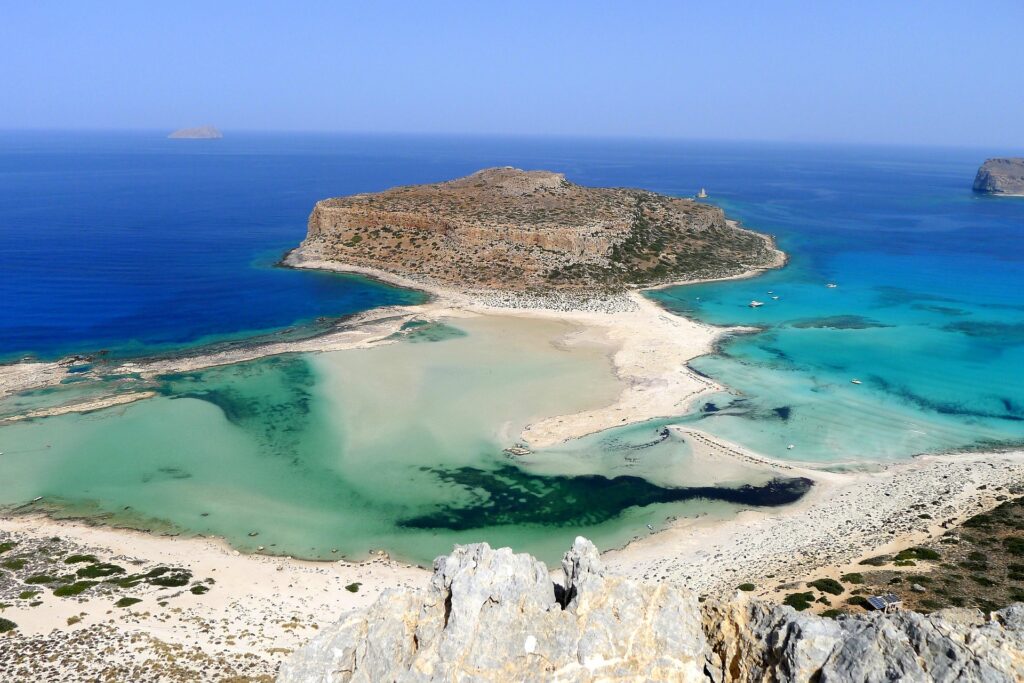
Balos is one of those places that genuinely lives up to the photographs. The shallow lagoon, the pale sand, the impossible colour of the water. It is real. But getting there matters.
The best way is by boat from Kissamos Port, about 40km west of Chania. The boats depart between 10am and 12pm, offering a range of capacities from 300 to 1,200 passengers across different companies. During high season, these ferries are commonly fully booked, so securing your spot in advance is important. The journey to Balos takes roughly 1 hour 20 minutes.
The ferry time at Balos is around 2.5 hours. The itinerary also includes a 2-hour stop at the island of Imeri Gramvousa before returning to Kissamos Port. The Gramvousa stop includes a Venetian castle at the top of a steep climb. Worth going up for the view.
You can also drive to Balos. The road is very bumpy. Visiting Balos comes with a small entrance fee per person for anyone over 13, plus a car entrance fee. In summer the traffic on the unmade road can add over 90 minutes to the journey. The boat is more enjoyable and less stressful for most people.
Warning: The large ferry boats to Balos can carry hundreds of passengers. In July and August, both the boat and the lagoon beach get extremely busy. If you book with a smaller boat operator and depart early, you can arrive at Balos while the beach is virtually empty, before the big ferries arrive. Consider this seriously in peak season.
Day 7 — Elafonisi Beach
Elafonisi is 75km southwest of Chania, around 90 minutes by car. It is worth every minute of the drive.
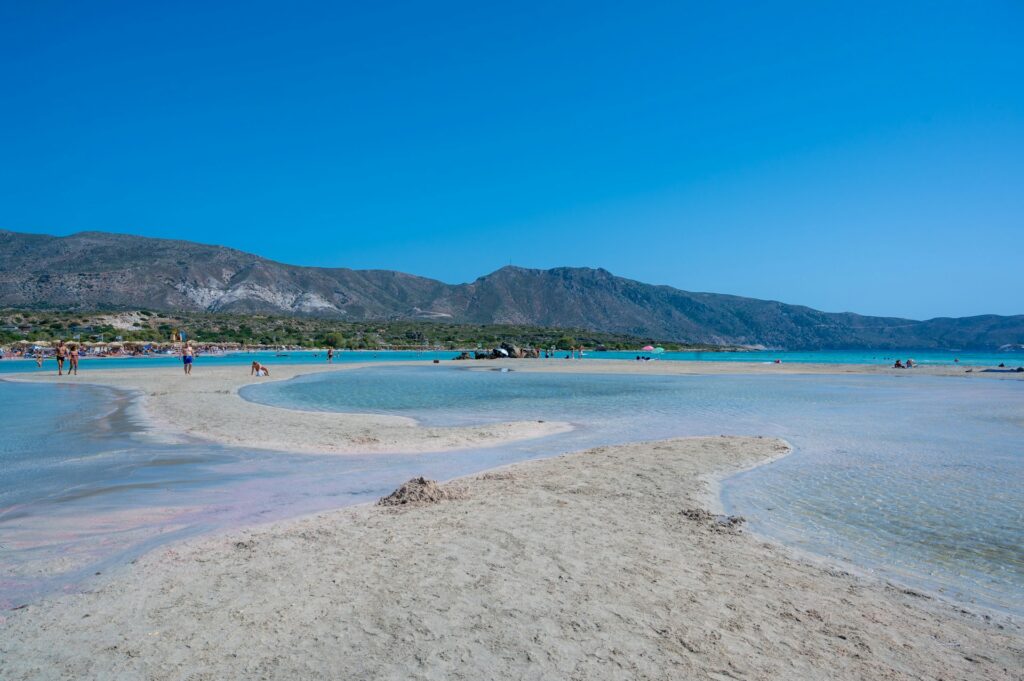
The beach sits at the end of a peninsula that almost becomes a small island. At low tide, you can wade across to it. The sand has a faint pink tint from crushed shells. The water in the shallow lagoon between the mainland and the islet is warm, clear, and calm. Good for children.
From Elafonisi, you can hike along the E4 to the neighbouring Kedrodasos Beach. Honestly, it is worth dedicating the whole day here if you plan to sunbathe and swim. Kedrodasos, accessed by a short walk north of Elafonisi, is backed by a juniper forest. It is quieter and tends to attract a different crowd.
For a more peaceful experience, visit Elafonisi during the quieter months of May, June, September or October. In August the car park fills by 8am and the beach gets very crowded. The sunset here, when the light hits the water through the lagoon, is something else entirely. Stay late if you can.
Day 8 — Sfakia Coast and Loutro
Today is a different kind of day. Drive south through the White Mountains to the Sfakia coast. The road itself is worth the trip. Through the Imbros Gorge, down the switchbacks toward the sea. The landscape changes completely. Drier, wilder, with the Libyan Sea appearing at the bottom of the descent.
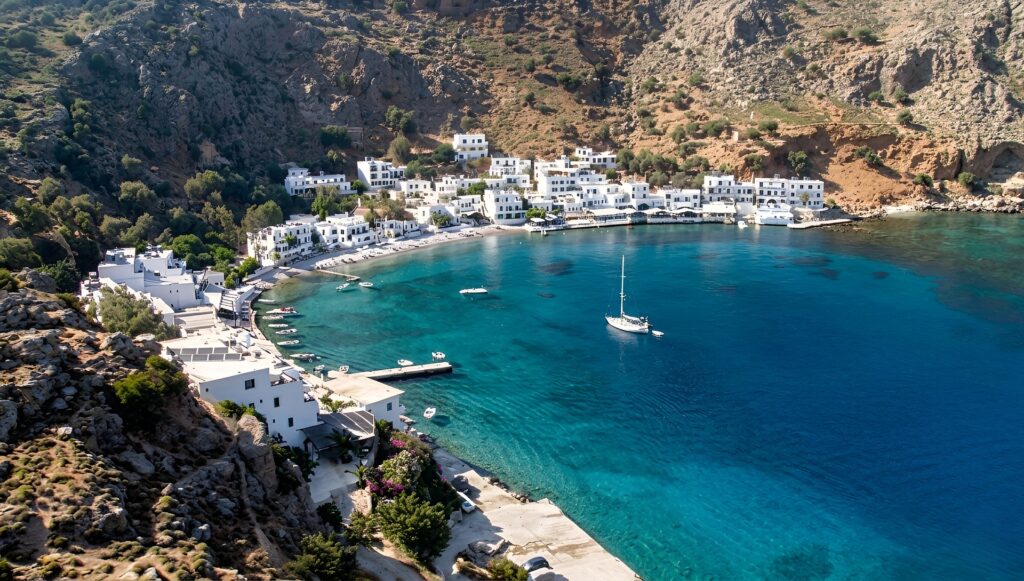
Loutro is a charming village on the southern shore but is inaccessible by car. It can only be reached on foot (approximately 2 hours of walking) or by boat from Hora Sfakion. The ferry takes about 20 minutes. Loutro is a tiny whitewashed place on a curved bay with no road access and very little noise. Eat lunch at one of the two or three tavernas. Swim. Take the afternoon ferry back to Sfakion.
Drive back through Imbros Gorge in the late afternoon. The gorge walls glow at that hour. If you have time and energy, the short walk into the Imbros narrows takes 45 minutes each way and requires no special fitness. It is far quieter than Samaria.
Local tip: Hora Sfakion itself is worth a slow coffee before or after the Loutro ferry. The waterfront there is old Crete. No frills. The catch of the day comes from the boats moored at the end of the quay.
Day 9 — Wine Tour and Villages of Western Crete
A wine tour from Chania visits three wineries and stops at some of the oldest olive trees in the region. The wineries specialise not in Greek wine, but specifically in Cretan wine, including local Cretan varieties. This is a day for a different pace. Not driving yourself, not managing logistics. Just sitting in a vineyard eating well and drinking Cretan wine.
Beyond the famous Old Town and Venetian harbour, Chania hides a range of charming villages. Each has its own story, style, and scenery. From mountainous stone-built hamlets to coastal fishing gems, they showcase a genuine part of Crete.
Therisos is 15km south of Chania, up into the foothills. A narrow road through a gorge. At the top, a small village with one main street, a handful of tavernas, and the quiet of mountains. It was a stronghold of the 1905 Therisso Revolution. There is a small monument. Have lunch here if you skip the organised wine tour.
Day 10 — Georgioupolis, Lake Kournas, and a Final Chania Evening
A gentler final day. Drive east toward Georgioupolis, about 38km from Chania.
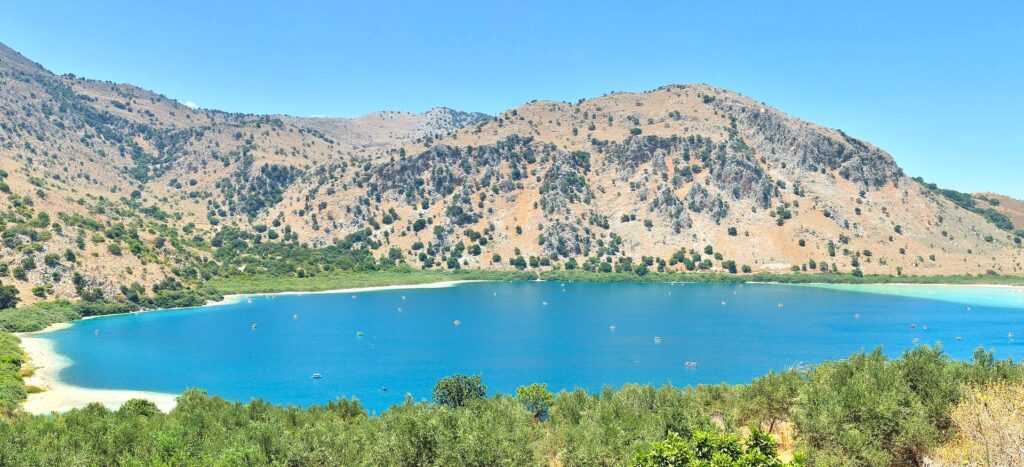
Lake Kournas is situated in a valley surrounded by dramatic mountains. It is the only freshwater lake on the island, and its warm, spring-fed waters reflect the rocky peaks above. Summertime visitors come to swim, boat, or loll on the beach. It is a good morning stop. Pedalo boats can be rented on the lake. The tavernas on the shore serve fresh fish.
Georgioupolis itself sits at the mouth of the Almyros River, where it meets the sea. Long sandy beach. Plane trees along the riverbank. A square with cafes that operates at a completely different tempo to Chania. Have lunch, walk along the river to the river mouth, and watch the flamingos that sometimes congregate there in spring and autumn.
Return to Chania for a final evening. Walk the harbour one last time. Have raki at Splantzia. That is enough.
Frequently Asked Questions
Is a rental car essential for 10 days in Chania?
Yes. The best parts of the Chania region, even the surroundings of the city itself, are best explored by car, and you need that freedom. There is no Uber or Bolt in Chania, only taxis. The KTEL bus network connects some major destinations but misses many of the beaches and villages that make this itinerary work. Book your car in advance, especially for summer travel.
How difficult is the Samaria Gorge hike?
The full point-to-point Samaria Gorge hike is 16km and can take anywhere between 5 to 7 hours. The hike itself is not difficult, but it is demanding due to the length. The hardest part is at the beginning, on the first 6km, with some steep descents. After 6km, everything becomes easier and simpler. Good hiking shoes, at least 2 litres of water per person, and an early start are the three requirements.
When should I visit Chania for the best experience?
The months of April to June and September to October offer a milder climate while avoiding the largest crowds of tourists. July and August are the most popular months but also the hottest and busiest. The beginning to mid-June period in particular is excellent for visiting Crete. If you have flexibility, May or September are the local favourites.
Can I do this itinerary with young children?
Most of it, yes. The Samaria Gorge is only suitable for children who are old enough to manage a 16km hike. Balos, Elafonisi, Falassarna, Lake Kournas, and the Old Town are all excellent with children. Balos has a very large expanse of sand with shallow clear water, which is a perfect place for little ones to splash. The Loutro day works well for families who take it slow.
Is it worth spending all 10 days based in Chania?
Absolutely. A week will allow you to explore either the west or east part of the island. With 10 days based in western Crete, you cover the best of what this region has to offer without the wasted travel time of moving hotels every few days. Chania is not just about its coast. It is a gateway to the rugged interior, with gorges, traditional villages, and a side of the island that most visitors never see.
Do I need to book Samaria Gorge in advance?
You can buy your ticket at the entrance, but booking online in advance is recommended in peak season. There could be over 1,500 visitors a day on a very busy day at Samaria Gorge, which can significantly affect the experience. If using public transport, check the KTEL bus schedule for Chania to Xyloskalo and the Anendyk ferry schedule from Agia Roumeli in advance.
The Honest Notes
Ten days here is a genuinely good stretch of time. You will not see all of western Crete, but you will see enough to understand why people return. A few things worth knowing before you go.
Warning: Parking in Chania Old Town is genuinely difficult. Parking can be quite challenging to find, especially during peak season. Be patient, look for signs, and accept that it is better to park further out. If your accommodation does not have parking, find out where the nearest public car park is before you arrive with a full car.
Warning: Speed cameras on Cretan roads are real and operational. The speed limit on the main highways changes frequently and with little warning. Be very vigilant. Rental car companies do pass on fines, sometimes months after you return home.
Warning: The Samaria Gorge is a one-way route. You cannot return the way you came. The logistics of getting back to Chania from Agia Roumeli involve a ferry and then a bus. Check schedules the night before. Missing the last ferry means spending the night in Agia Roumeli. Plan for this. It is not a disaster, but it changes your day two.
The harbour restaurants are not a trap. Some are genuinely good. But the tourist-to-local ratio is high and prices reflect it. The best meals on this trip will be at a fish taverna in Marathi, a table at Sfakion by the water, and whatever someone’s grandmother is cooking in a village above the road.
Cash is worth carrying. For smaller shops and purchases, cash is a good idea. In Chania city there are plenty of ATMs, but if you are travelling outside the city you should plan ahead.
Getting There
By air: Chania International Airport (CHQ) receives direct flights from many European cities in summer. Athens to Chania is a 45-minute flight. The airport is 15km east of the city.
By ferry: The main ferry port for western Crete is Souda Bay, 7km east of Chania. Ferries run overnight from Piraeus (Athens) taking 8 to 9 hours. Chania has its own international airport. You can fly via Athens or Thessaloniki, or in high season find direct flights from various European destinations.
Getting from the airport to Chania: Taxi takes 20 minutes. The public bus also runs but is slower with luggage. If you are picking up a rental car at the airport, do so on arrival if your itinerary starts with city days, or on Day 2 if you prefer to leave the car until you need it.
Practical Information
| Base city | Chania, western Crete |
|---|---|
| Airport | Chania International (CHQ), 15km east |
| Car rental | Essential from Day 2. |
| Language | Greek. English widely spoken in tourist areas |
| Currency | Euro. ATMs available throughout Chania city |
| Taxis | Available, no Uber or Bolt |
| KTEL buses | Reliable between major towns, limited to villages |
| Samaria Gorge | Open May 1 to October 31, entrance fee applies |
| Monasteries | Generally closed Wednesday and Friday |
| Peak season | July and August. Book boats, tours, and restaurants in advance |
| Emergency number | 112 |
Combine With
Rethymno: The port town of Rethymno has been occupied since the Late Minoan period. Its Venetian and Ottoman-era Old Town, a knot of narrow, flower-decked lanes overlooked by a fortified Venetian castle, is full of character. It is 80km east of Chania, about an hour by car. A full day trip or an easy stop on the way to or from Heraklion Airport.
Preveli Beach: On the south coast of Crete, about 80km from Chania. The Megalopotamos River runs through a cliff-lined canyon for almost 3 kilometres before flowing out into the Libyan Sea at Preveli Beach, a palm-shaded stretch of sand. Access involves a steep path. Worth it.
Agia Triada Monastery (Akrotiri): Some monasteries like Agia Triada also sell products created by the monks, including wine and oil. It is on the Akrotiri Peninsula, easy to combine with the Day 2 itinerary. Check opening days before you go. Most monasteries are closed on Wednesdays and Fridays.
Kissamos (Kastelli): The small town at the western end of the Chania region serves as the jumping-off point for Balos and Gramvousa. Kissamos is a quieter, laid-back town that serves as the gateway to Balos, offering a more relaxed vibe with easy access to the ferry routes leading to the lagoon. Worth an evening if you are staying that far west.
Local tip: On the drive back from Sfakia on Day 8, pull over somewhere above the Imbros descent and watch the light drop over the White Mountains. The road curves, the valley opens, and the Libyan Sea is somewhere below in the dark. It is the kind of view you do not plan for. Those are the ones you remember.